








Frequently Asked Questions
1. How long does epoxy flooring last in a garage or commercial space?
A professionally installed epoxy floor can last for years when the slab is prepared correctly and the right coating system is used for the space. Commercial epoxy flooring is commonly expected to last around 5 to 10 years, depending on traffic, cleaning routines, and the environment. In garages and work areas, long-term performance also depends on proper surface preparation, adhesion, and topcoat protection against wear, stains, and hot tire pickup.
2. Is epoxy flooring slippery when wet?
Epoxy flooring can become slick when water, slush, or spills sit on the surface, especially in garages and entry areas during winter. That is why many installers add a non-slip additive or textured broadcast, such as quartz or decorative flakes, to improve traction in high-traffic areas. This is a common solution for homeowners and businesses that want a seamless finish without giving up safety.
3. Why is concrete preparation so important before epoxy installation?
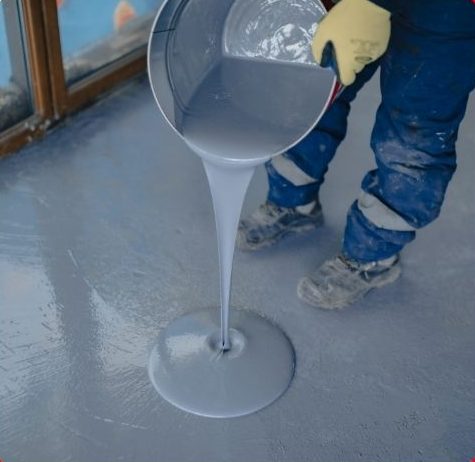
Concrete surface preparation is one of the most important parts of any epoxy flooring project. Grinding, shot blasting, cleaning, and crack repair help create the right concrete profile so the coating bonds properly instead of peeling, bubbling, or failing early. Moisture testing also matters because trapped vapor in the slab can lead to blistering, whitening, and delamination under resinous flooring systems.
4. Is epoxy flooring a good choice for North York garages with road salt and winter moisture?
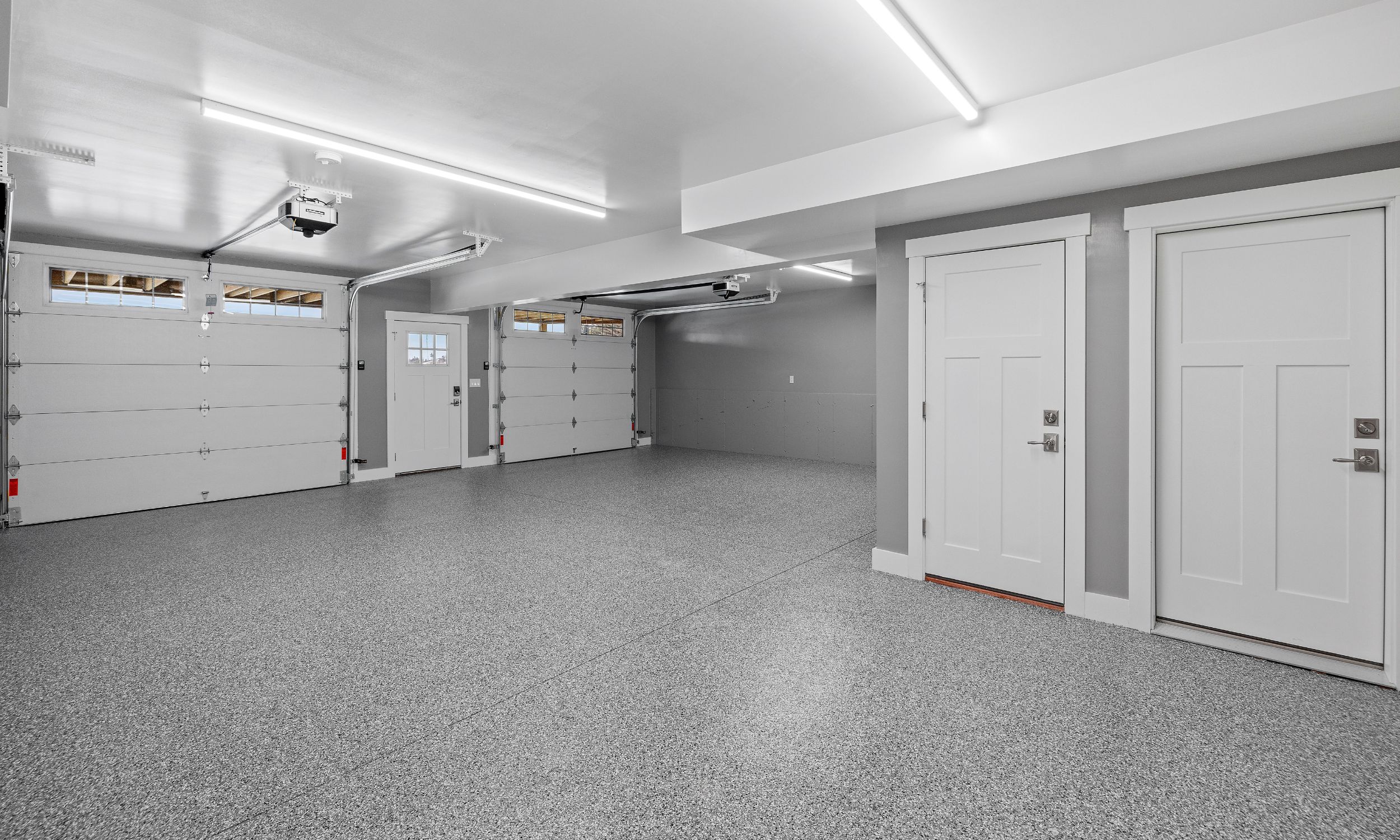
Yes, epoxy flooring is a strong option for many North York garages because it helps protect concrete from road salt, moisture, tire marks, and automotive fluids. A properly installed garage floor epoxy coating with a quality topcoat can improve resistance to salt exposure, chemical spills, and daily vehicle use. For Ontario garages, many property owners also ask about hot tire pickup, which is more likely with lower-quality products or poor surface preparation than with professional-grade systems.
5. What type of epoxy floor works best for basements in North York?
For many basement projects in North York, the best system depends on the slab condition, moisture level, and how the space will be used. Since basement concrete can pull in moisture over time, installers often recommend checking the slab first and using a system that starts with proper moisture testing and floor preparation. Flake, solid-colour, and other seamless epoxy flooring systems can all work well when the slab is dry enough and the coating is matched to the space.
6. Should I choose epoxy or polyaspartic coating for a North York floor?
It depends on your priorities. Epoxy is often chosen for strong adhesion and value, while polyaspartic coating is often preferred for faster cure times and better UV stability, especially in areas with sunlight exposure or where quick return to service matters. Polyaspartic systems can sometimes handle light foot traffic in about 12 hours and vehicle traffic in roughly 24 to 96 hours, while epoxy generally cures more slowly.