






Frequently Asked Questions
How much does epoxy flooring cost in Toronto?
Epoxy flooring runs from $6 to $12 to $12 per square foot. It depends on the system type. Flake sits at the lower end. Metallic and quartz cost more. Total price also depends on slab condition. Cracks, moisture, and old coatings all add prep work. Get a written quote based on your specific floor before comparing.
What is the best garage floor coating in Toronto?
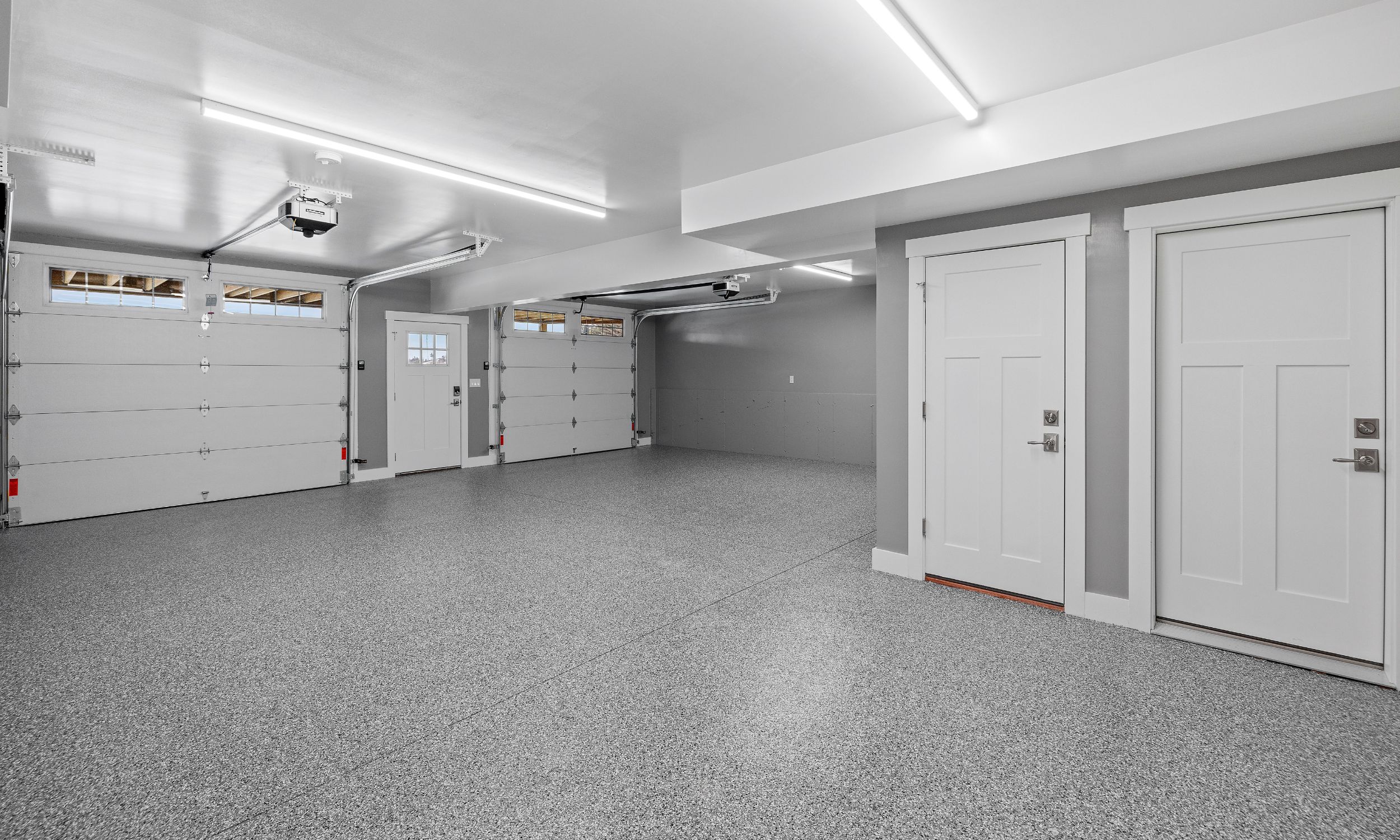
Flake epoxy with a polyaspartic topcoat handles salt, tire traffic, and temperature swings across the seasons. Metallic suits homeowners wanting a premium look. Quartz is a strong pick for commercial garages with heavy loads. The right system depends on your garage use, slab condition, and moisture exposure.
Can you coat a post-war basement floor in Toronto?
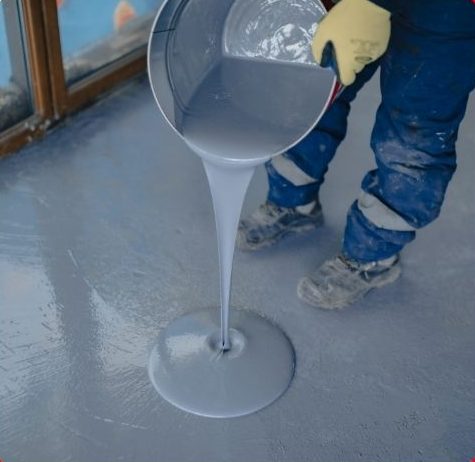
Yes, after moisture testing and surface prep. Post-war epoxy basement slabs across East York, York, and Don Mills often have unknown sealers, paint, or adhesive buried under decades of use. Diamond grinding must remove all of it. A blocking primer goes down first when testing shows high moisture from below.
Does GLI Epoxy Flooring handle urgent concrete repair in Toronto?
Yes. We prioritize urgent concrete repair for safety hazards, crumbling slabs, and failed coatings across the city. A site visit, assessment, and written scope are delivered within 48 hours for emergency cases. Residential and commercial properties receive the same response priority.
How long does epoxy floor installation take in Toronto?
Most residential jobs take one to two days. Commercial and industrial projects run two to five days depending on slab size and prep needs. Full chemical cure takes seven days. Vehicles must stay off the coated surface for at least 72 hours after the final topcoat.
Why do garage floors crack and peel across Toronto?
Peeling usually comes from skipped moisture testing, acid etching instead of proper grinding, or DIY kits on old concrete. The Don River and Humber River valleys push moisture upward through clay soil. Proper surface prep and a vapor-blocking primer before coating prevent the delamination that ruins most garage floors.
Is epoxy flooring a good choice for a Toronto warehouse?
Yes. Warehouse epoxy flooring near Highway 401, Weston, and Downsview protects against that resist forklift traffic, chemical spills, and pallet loads. Epoxy protects the slab, cuts dust, and makes daily cleaning simple. It is one of the most practical investments a facility manager can make.
Can epoxy be installed in a Toronto condo parking garage?
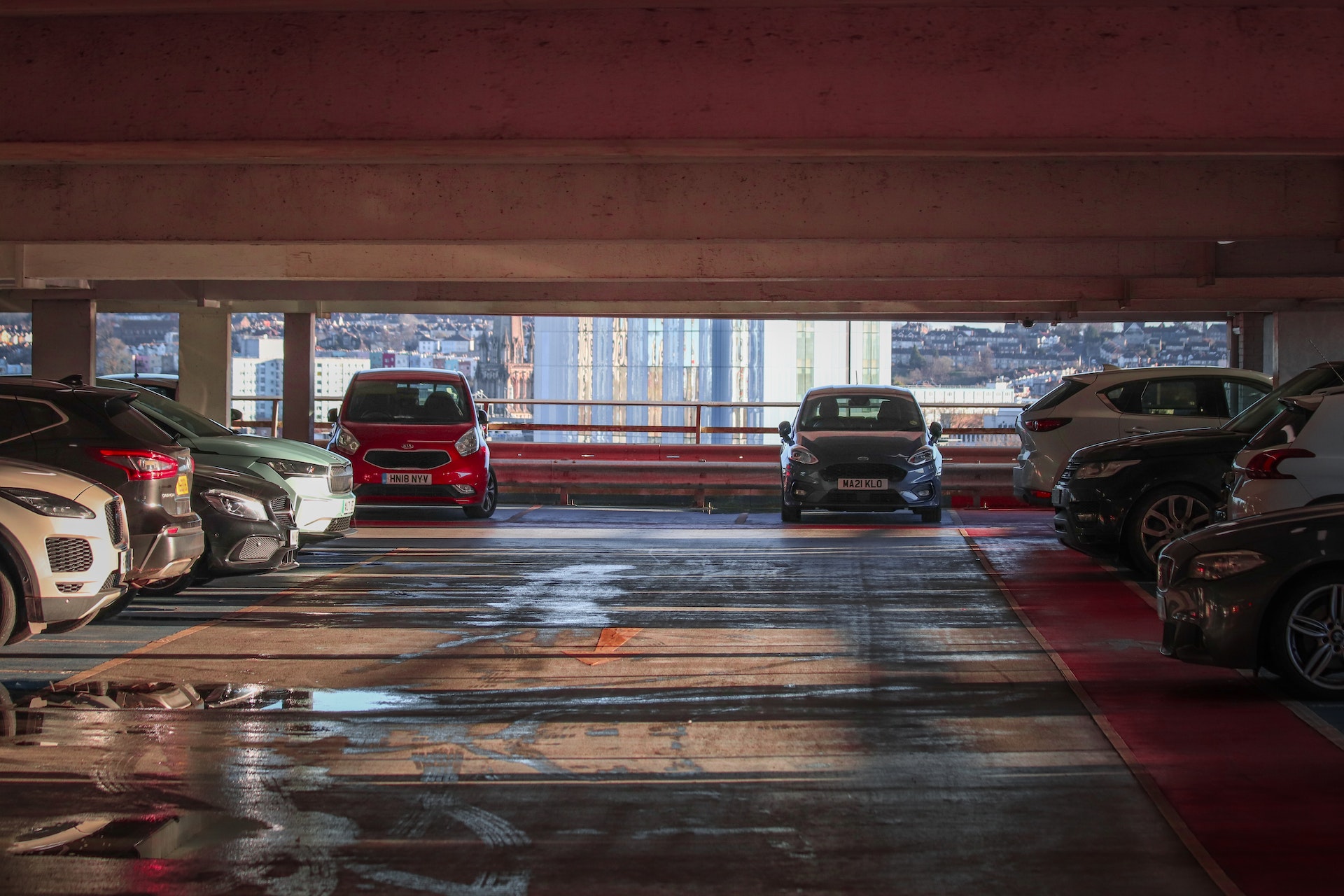
Yes, with condo board approval and proper scheduling. We provide insurance certificates, project timelines, and low-VOC system options for board review. Underground parking, visitor areas, and storage rooms are common projects. High-rise buildings downtown and along the waterfront often need phased installation to keep sections open during the work.
How do Toronto's waterways affect concrete slabs?
The Don River, Humber River, and Lake Ontario each push moisture into the soil from different directions. Properties near these waterways face higher moisture levels beneath the slab. That is why proper testing and a vapor-blocking primer are part of every project near a waterway. Skipping this step leads to coating failure within months.
What areas of Toronto does GLI Epoxy Flooring serve?
We serve all six former cities of Toronto, including Old Toronto, North York, Scarborough, Etobicoke, East York, and York. Residential garages, commercial floors, industrial facilities, and condo common areas across every postal code fall within our range. Our shop has fast access to the entire city via Highway 401 and Highway 400.