





Frequently Asked Questions
1. Who installs polyaspartic floor coatings in Mississauga?
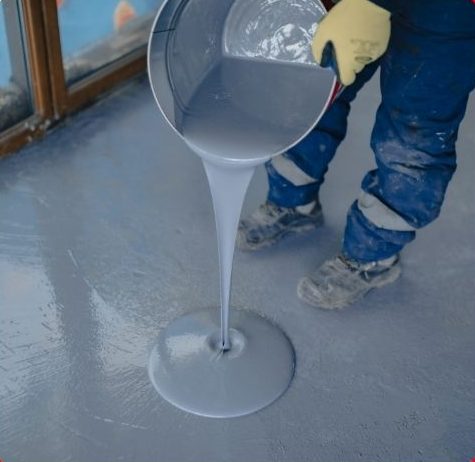
GLI Epoxy Flooring installs polyaspartic floor coatings in Mississauga and across the Greater Toronto Area. Based in North York, the team serves residential garages, home workshops, and commercial spaces, carrying out slab assessment, diamond grinding, crack repair, and full polyaspartic coating installation.
2. Does GLI install polyaspartic garage flooring across Mississauga?
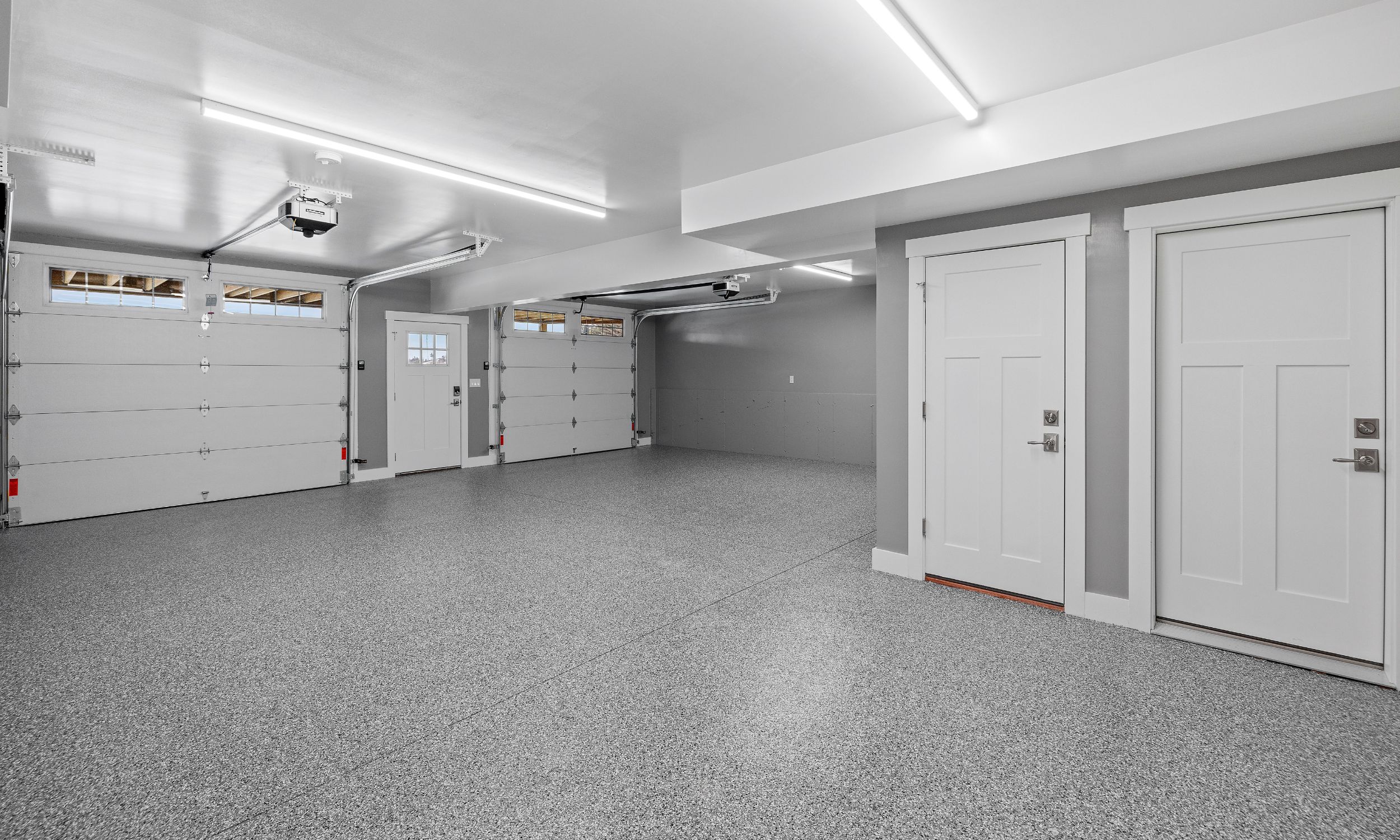
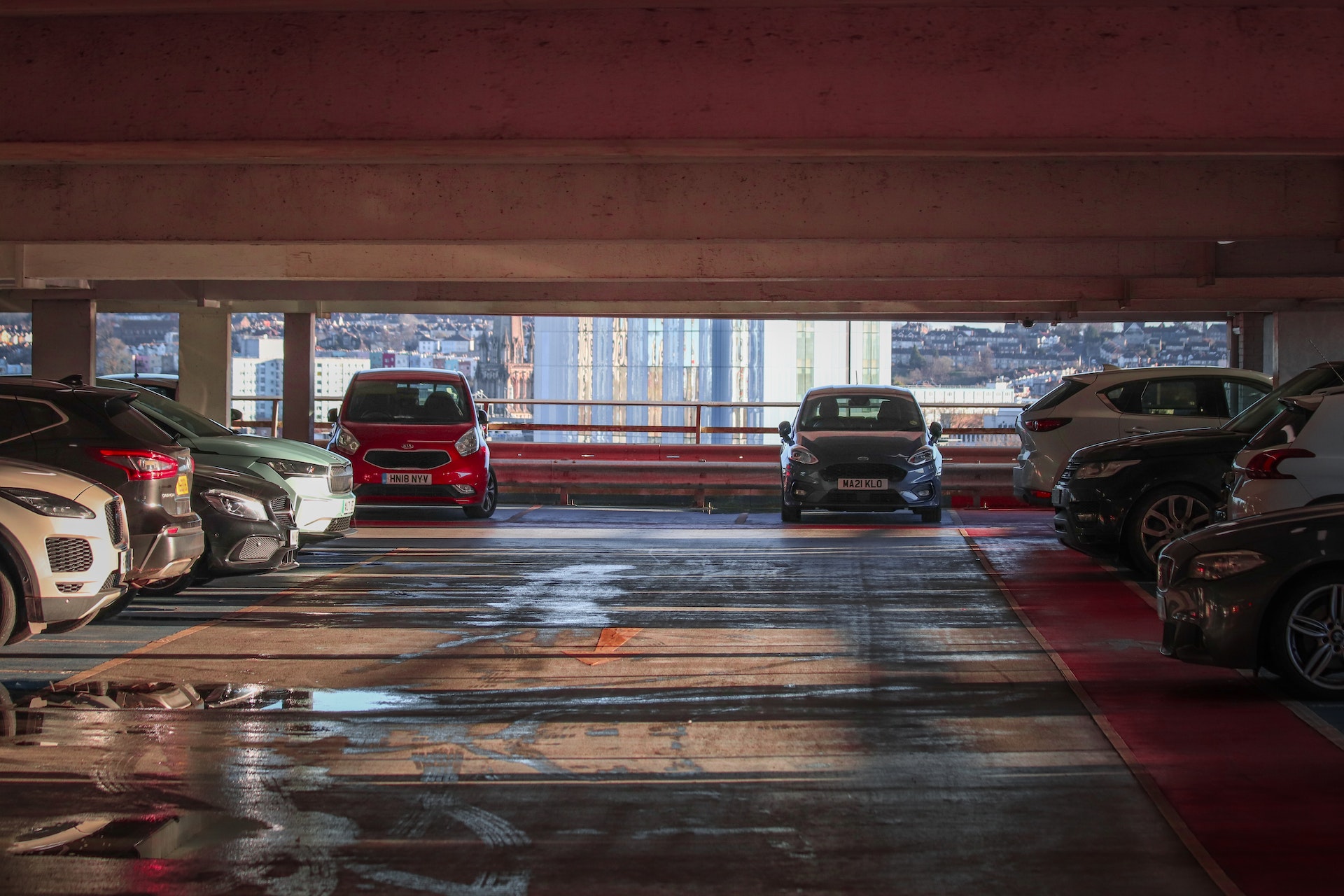
Yes, GLI Epoxy Flooring installs polyaspartic garage floor coatings across Mississauga and the GTA. The process covers slab assessment, concrete grinding, suitable crack and pit repair, and installation of a full-flake, solid-colour, or clear polyaspartic finish matched to the garage and its use.
3. How much does a polyaspartic floor coating cost in Mississauga?
Polyaspartic floor coating cost in Mississauga depends on floor size, slab condition, repair scope, and the system selected. Full-flake and multi-layer systems cost more than a basic solid-colour finish. GLI Epoxy Flooring assesses the slab and provides a written quote before any work begins.
4. Can GLI repair cracked concrete before applying polyaspartic coating?
Yes, GLI Epoxy Flooring assesses cracks, pitting, spalls, and damaged surface areas before any coating is installed. Suitable defects are repaired and the concrete is prepared before the polyaspartic system is applied. The type, location, and extent of damage determines the repair approach used.
5. Which polyaspartic system is best for a Mississauga garage?
The best system depends on the garage’s use, sunlight exposure, moisture conditions, and appearance goals. Full-flake systems are popular in Mississauga garages for their texture, colour variation, and ability to hide minor marks. A slab assessment helps determine the most suitable layer design and finish.
6. Does GLI provide commercial polyaspartic flooring in the GTA?
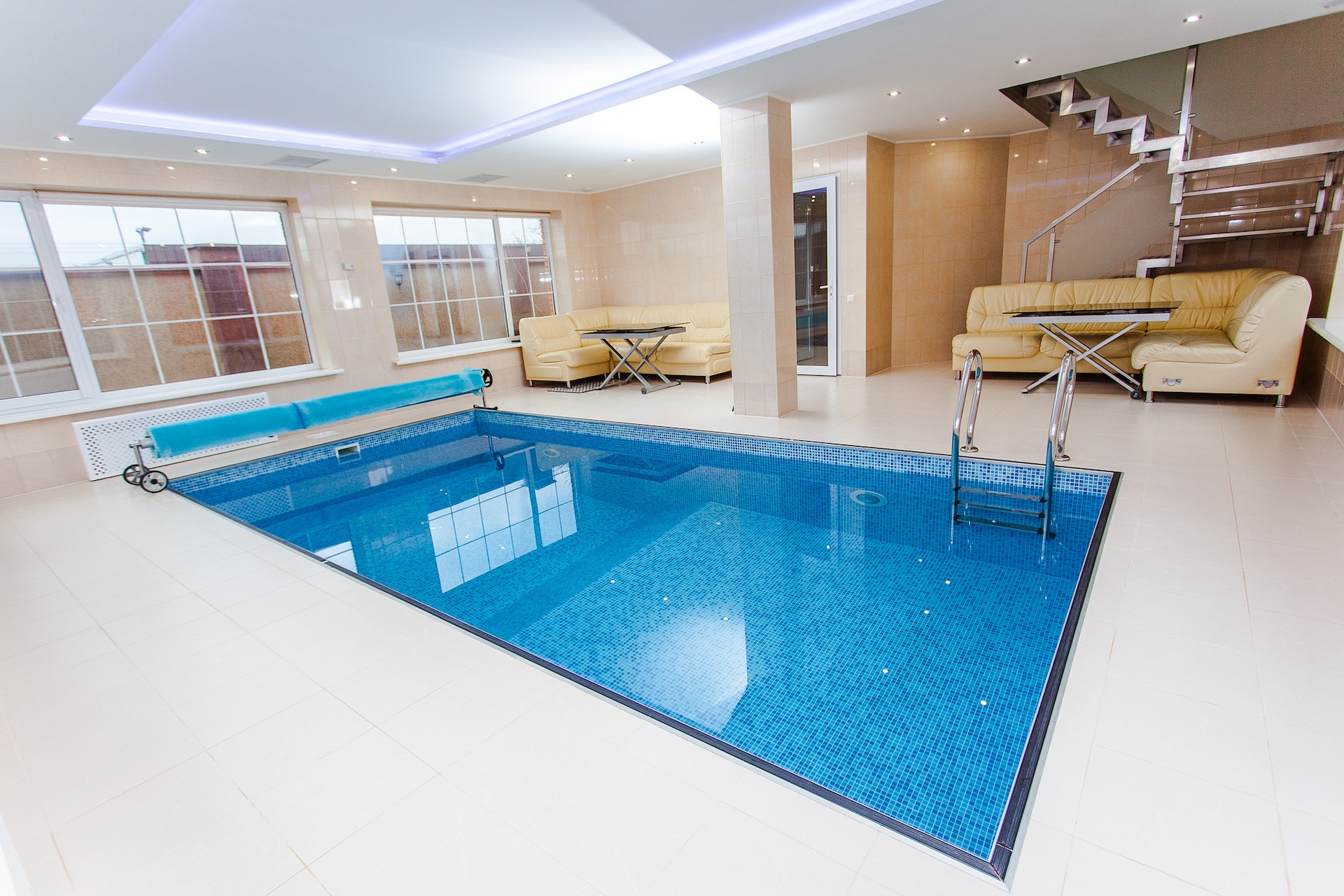
Yes, GLI Epoxy Flooring installs commercial polyaspartic floor coatings across Mississauga and the Greater Toronto Area. Suitable applications include workshops, retail back rooms, service bays, corridors, and storage areas. Each project begins with a slab and site assessment before any system is selected.
7. Is polyaspartic better than epoxy for a garage floor?
Polyaspartic and epoxy systems each have strengths. Polyaspartic coatings offer faster curing potential and better colour stability in UV-exposed areas. Epoxy provides a strong, cost-effective base coat. Many installations combine both: an epoxy base with a polyaspartic topcoat. The better choice depends on the slab, environment, and goals.
8. How long does polyaspartic floor coating take to cure?
Cure time varies depending on the product used, ambient temperature, humidity, and the number of layers applied. Polyaspartic systems generally cure faster than standard epoxy, but specific foot traffic and vehicle parking timelines depend on the product chemistry and site conditions at the time of installation.
9. Does polyaspartic flooring yellow or fade in sunlight?
Polyaspartic coatings generally offer better colour stability than standard epoxy in UV-exposed areas such as garages with open doors or skylights. The level of UV resistance depends on the specific product chemistry. A coatings contractor can advise on which system performs best for your exposure level.
10. Can polyaspartic flooring handle road salt, oil, and hot tires?
Polyaspartic floor coatings are commonly used in garages where road salt, oil, and vehicle traffic are regular concerns. Performance against hot tyre contact and chemical exposure depends on the product chemistry and layer design. The slab must also be properly prepared for the coating to perform as expected.
11. Is polyaspartic flooring slippery when it gets wet?
A smooth, high-gloss polyaspartic topcoat can become slippery when wet if applied without texture or aggregate. Selecting a textured flake blend or adding broadcast aggregate to the topcoat improves traction underfoot. Discussing slip resistance requirements with your installer before finalising the system is recommended.
12. How do I clean and maintain a polyaspartic floor?
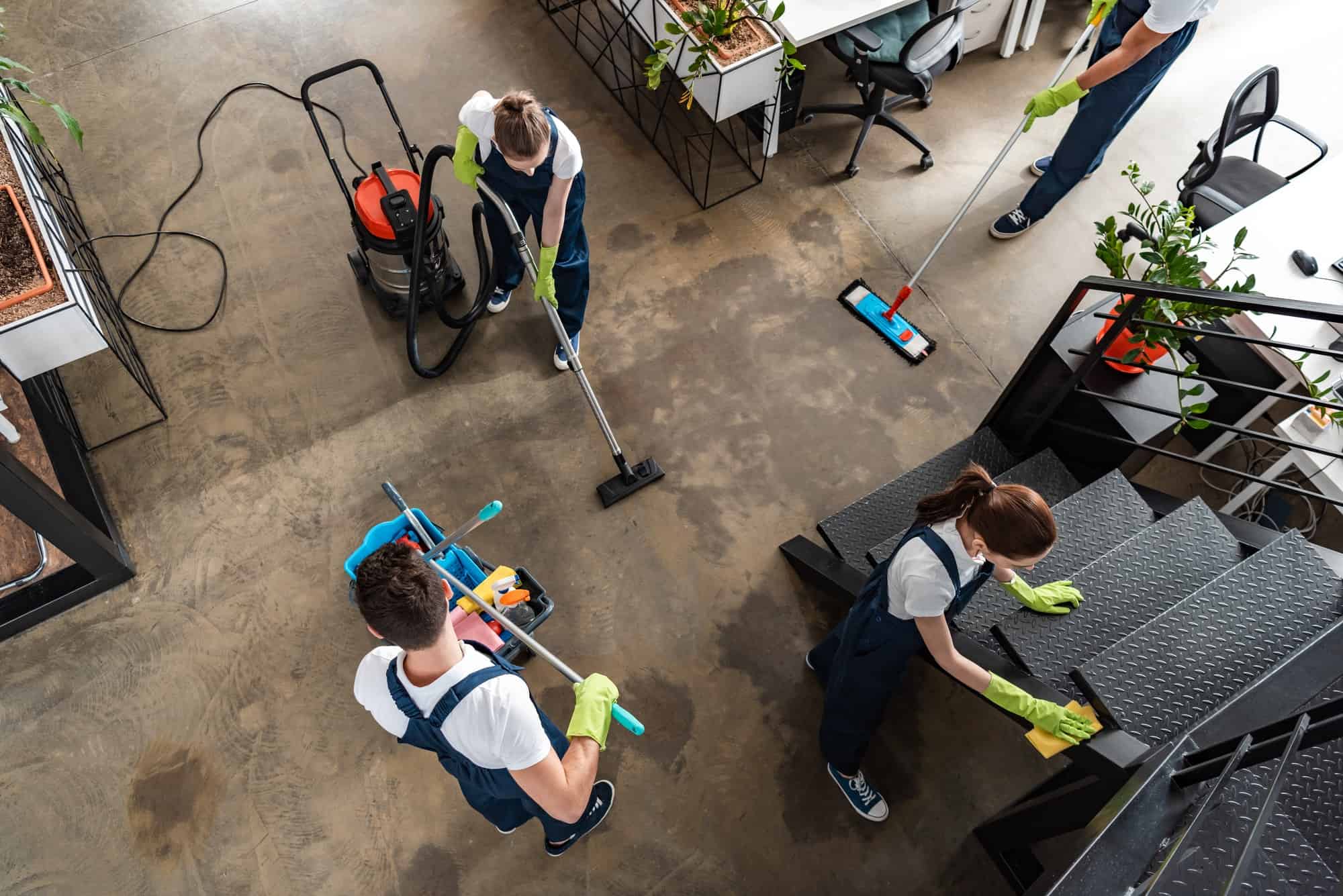
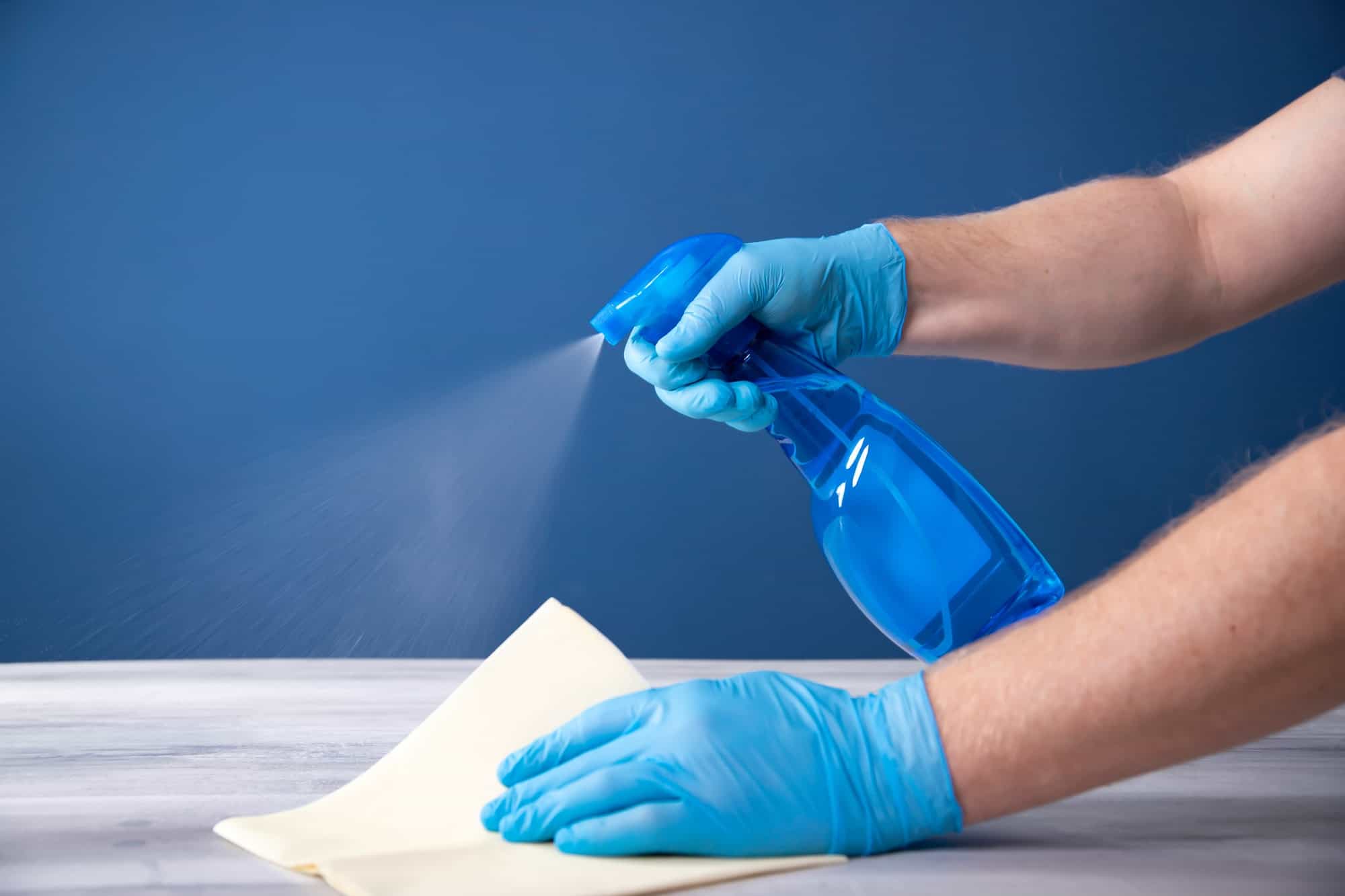
Polyaspartic floors are generally easy to maintain. Sweep or dust mop regularly to remove debris, and clean spills with a neutral pH cleaner and a mop or cloth. Avoid abrasive scrubbing pads and harsh chemical cleaners. Routine care helps preserve the finish and extends the coating’s service life.