







Frequently Asked Questions
Q1. How much does epoxy flooring cost in Thornhill?
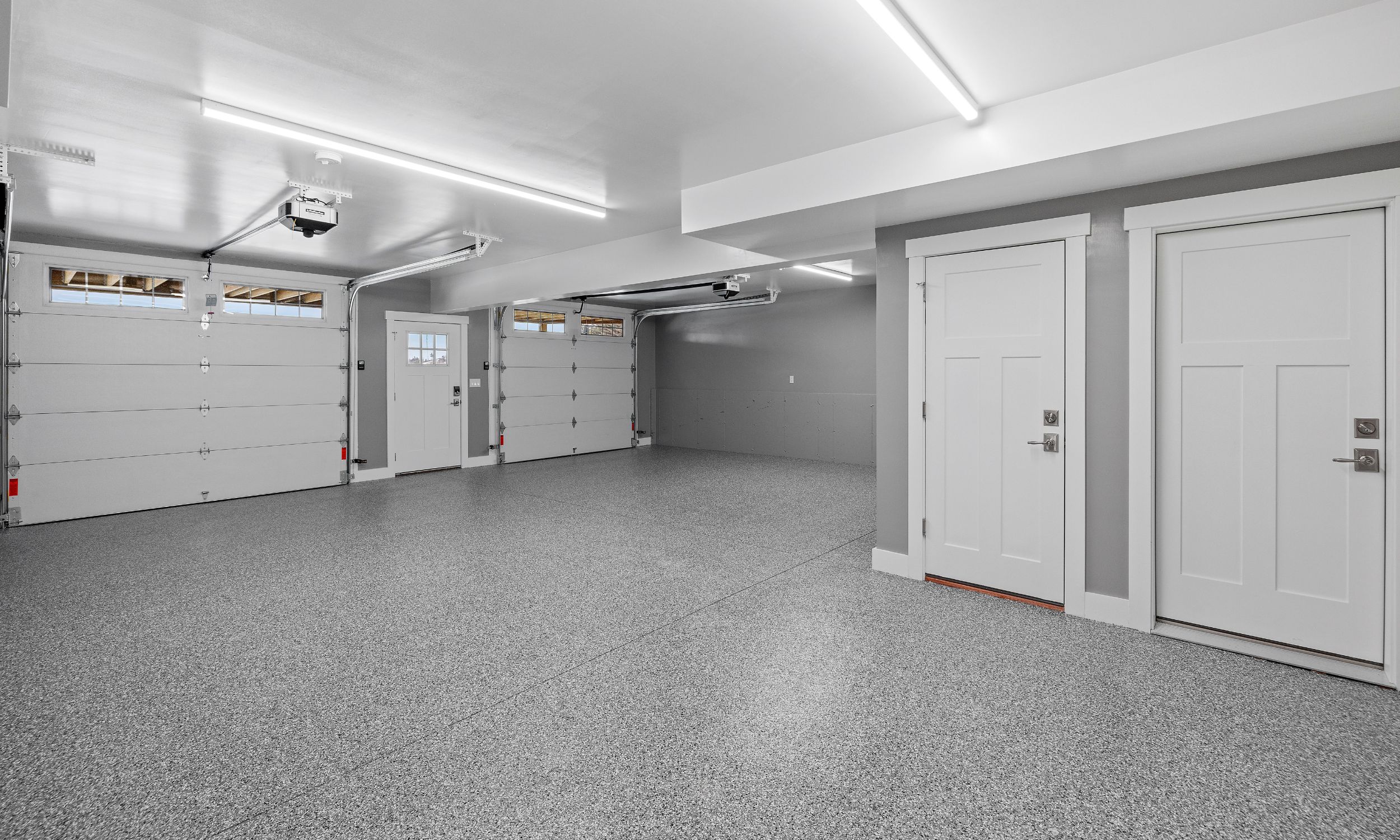
Most residential garage floors in Thornhill fall between $5 and $10 per square foot for a flake or solid-colour system. Basement floors tend to land in a similar range depending on size and condition. The final number moves based on three things: which system you pick, how much damage the slab carries, and how much crack or moisture repair the concrete needs before we coat it. A newer slab in Thornhill Woods costs less to prep than a 1970s garage in Thornhill Village that has old paint and 40 years of salt damage underneath. We do not quote over the phone. You get a written number after we see the slab, and that number does not change once the job starts.
Q2. What is the best garage floor coating for Canadian winters?
The best garage floor coating for a Thornhill garage that takes road salt from October through April is a flake epoxy system finished with a polyaspartic topcoat. The flake layer adds grip on a surface that gets wet every time you pull in, and the polyaspartic topcoat resists hot tire pickup, chemical spills, and UV exposure. This combination handles freeze-thaw cycling better than paint, acrylic sealers, or single-coat box store kits. We use Canadian-made epoxy and polyaspartic products selected specifically for what Ontario concrete goes through across a full seasonal cycle. That matters because dry-climate coatings repackaged and shipped north do not perform the same way under York Region conditions.
Q3. Is epoxy flooring good for basements in Thornhill?
Epoxy flooring for basements is one of the most practical upgrades you can make in a Thornhill home. Basement slabs in this area sit on clay-heavy soil that holds ground moisture, and older homes along Yonge and Bathurst carry more humidity than most homeowners expect. Epoxy seals the concrete surface and creates a moisture-resistant, dust-free, non-porous barrier that keeps dampness from migrating into the living space. It works for rec rooms, home gyms, laundry rooms, and home offices. We moisture test every basement slab before choosing a system, and if the readings come back high, we apply a moisture barrier primer before the base coat goes down.
Q4. How long does epoxy flooring last?
A professionally installed epoxy floor in a residential garage or basement lasts 15 to 20 years with normal use. That lifespan depends almost entirely on what happens before the coating goes on. Diamond grinding, crack repair, moisture testing, and proper primer application are what separate a floor that holds for two decades from one that peels in two years. The product matters too. We use commercial-grade Canadian epoxy and polyaspartic systems rated for the traffic, temperature swings, and chemical exposure Thornhill floors actually deal with. Box store kits use thinner coatings applied over acid-etched concrete and most of them start lifting within two to three seasons.
Q5. Is DIY epoxy as good as professional epoxy flooring?
DIY epoxy kits and professional epoxy flooring are fundamentally different products applied through fundamentally different processes. A box store kit gives you a thin, single-coat system designed for acid etching, which opens the concrete to a fraction of the depth that diamond grinding reaches. The bond is weaker, the film is thinner, and the system is not built for what Thornhill garages go through in a York Region winter. A professional install starts with diamond grinding to create a real mechanical bond, includes crack repair and primer, and finishes with a polyaspartic topcoat that resists hot tire pickup and salt exposure. Most DIY kits begin to peel within two to three years. A properly installed system lasts 15 or more.
Q6. How long does epoxy take to cure before I can use the floor?
Cure time depends on the system and the temperature inside the space on the day we install. Light foot traffic is safe within 24 to 72 hours for most systems. Full vehicle weight on a garage floor takes five to seven days. We give you a written cure schedule at the end of every job so you know exactly what the floor can handle and when. Polyaspartic topcoats cure faster than traditional epoxy, which is one reason we use them on Thornhill garage floors where getting the car back in matters. Rushing the cure or parking too early is one of the most common ways a new floor gets damaged, and the schedule we hand you removes that guesswork.
Q7. Is epoxy flooring slippery when wet?
Epoxy with a smooth, clear topcoat can be slippery when wet. That is why every garage and commercial floor we install in Thornhill uses a textured finish. Flake systems broadcast vinyl chips across the wet base coat, creating a surface with built-in grip even when it is wet from rain, snowmelt, or washing. For spaces where slip resistance is the primary concern, like commercial kitchens, medical offices, or locker rooms, we install quartz epoxy systems that provide more traction than any other system we offer. The topcoat finish also factors in. We match the texture and system to how the floor will actually be used so grip is never an afterthought.
Q8. What is the difference between polyaspartic and epoxy flooring?
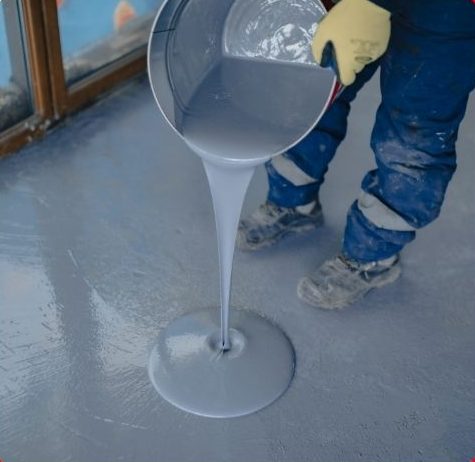
Polyaspartic and epoxy are both resinous floor coatings, but they perform differently and we use them together rather than choosing one over the other. Epoxy is the base coat. It bonds to the prepared concrete and provides the thickness, chemical resistance, and structural layer the floor needs. Polyaspartic is the topcoat. It cures faster than epoxy, resists UV yellowing, handles hot tire pickup, and adds the final layer of abrasion protection. A polyaspartic-only floor skips the epoxy base and loses depth and chemical resistance. An epoxy-only floor without a polyaspartic topcoat yellows under UV light and is more vulnerable to tire marks. We install both layers on every Thornhill job because the combination outperforms either product alone.
Q9. Can you epoxy over old epoxy or paint on a garage floor?
You can coat over an existing surface, but only after the old material is fully removed. Applying new epoxy over old paint, failed sealers, or a previous epoxy kit is the number one reason coatings fail. The new layer bonds to the old coating instead of the concrete, and when that old layer lets go, everything above it comes with it. We diamond grind the old material off during the prep stage, taking the slab back to bare concrete before any new product goes down. This is common in Thornhill’s older housing stock along Royal Orchard and Thornhill Village, where garages have decades of layered paint and worn sealers hiding damage underneath. The grinding is included in your quote after the site visit.
Q10. Is epoxy flooring worth the cost for a home garage?
For a Thornhill garage that takes road salt six months a year, epoxy flooring is one of the highest-value upgrades you can make. The coating seals the concrete against salt penetration, freeze-thaw spalling, oil stains, and moisture damage. It turns a deteriorating slab into a surface that is easy to clean, resistant to chemicals, and built to last 15 or more years. Compare that to leaving the concrete bare, where salt causes spalling from the inside out within a few winters, or to a DIY kit that peels and needs replacing every two to three years. The upfront cost of a professional install pays back in slab protection, reduced maintenance, and a floor that actually holds up under real York Region conditions.
Q11. Does GLI warranty epoxy flooring in Thornhill?
Yes. Every floor we install in Thornhill carries a warranty backed by the material and the installation. If something goes wrong after we leave, we come back and address it. That applies to residential garages, basements, and commercial jobs across Thornhill and York Region. The warranty holds because the prep behind it holds. We diamond grind every slab, moisture test before choosing a system, fill cracks, and prime before any epoxy touches the floor. A warranty on a floor that was not prepped properly is just paper. Ours is backed by the same process on every job, which is why we stand behind it without conditions or fine print.