





Frequently Asked Questions
1. Do you provide concrete repair and resurfacing throughout Toronto?
Yes. GLI Epoxy Flooring provides concrete repair and resurfacing in Toronto for cracked, spalled, pitted, uneven, and worn slabs. We inspect the damage, moisture, joints, and base condition before recommending patching, leveling, resurfacing, coating removal, or replacement. This keeps the repair scope practical and matched to the slab.
2. Can you repair garage and basement concrete floors in North York?
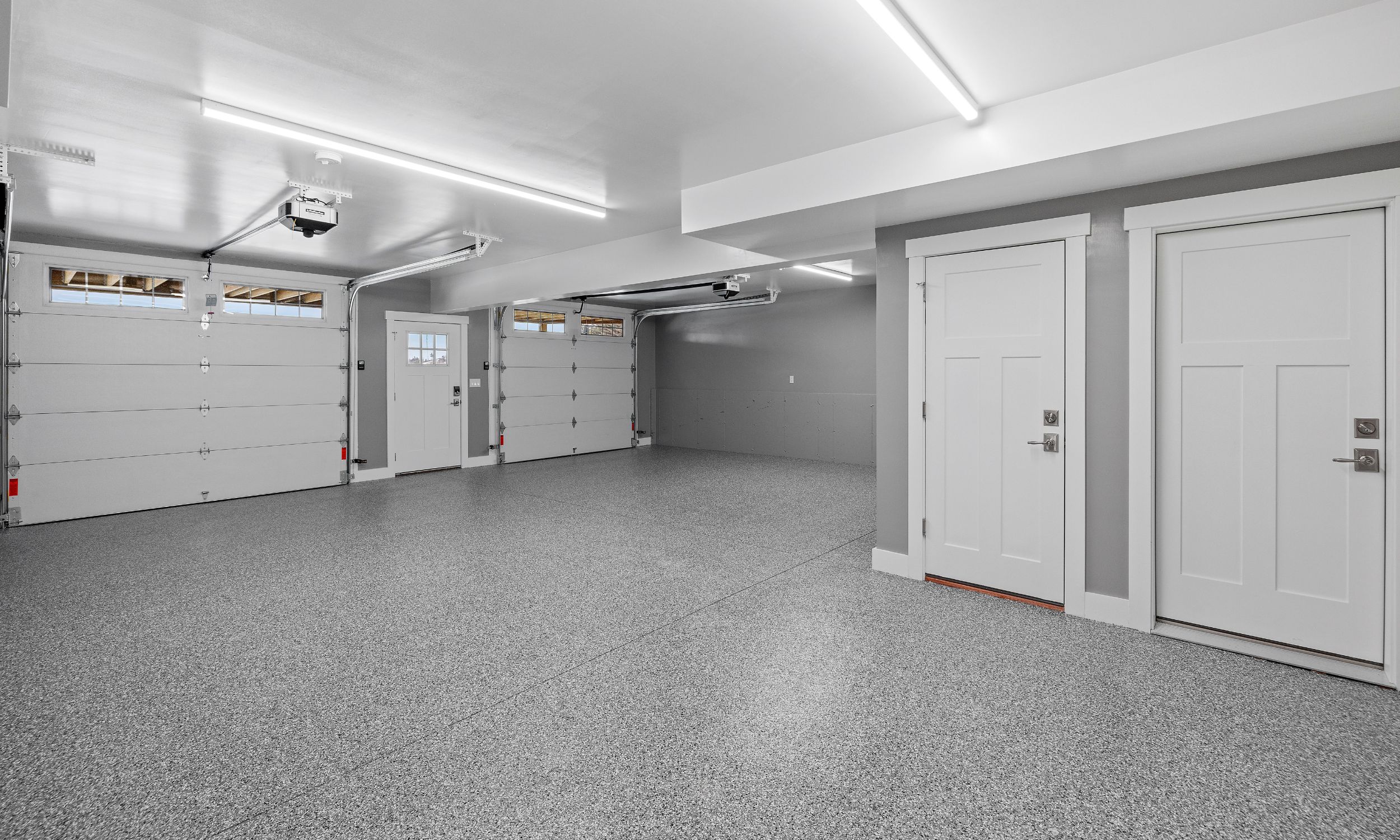
Our North York team repairs garage and basement concrete affected by cracks, road salt, moisture, pitting, and peeling coatings. We remove weak material, correct suitable low spots, and prepare stable slabs for resurfacing or protective coatings that improve safety, cleanability, and daily use in the home.
3. Do you repair warehouse and industrial concrete floors in Toronto?
Yes. We repair warehouse and industrial concrete floors across Toronto, including forklift damage, broken joints, impact zones, holes, and uneven transitions. Work can be planned in phases around access, cure time, and return-to-service needs to help reduce operational disruption for staff and equipment.
4. Can you repair loading docks and parking garage concrete in Toronto?
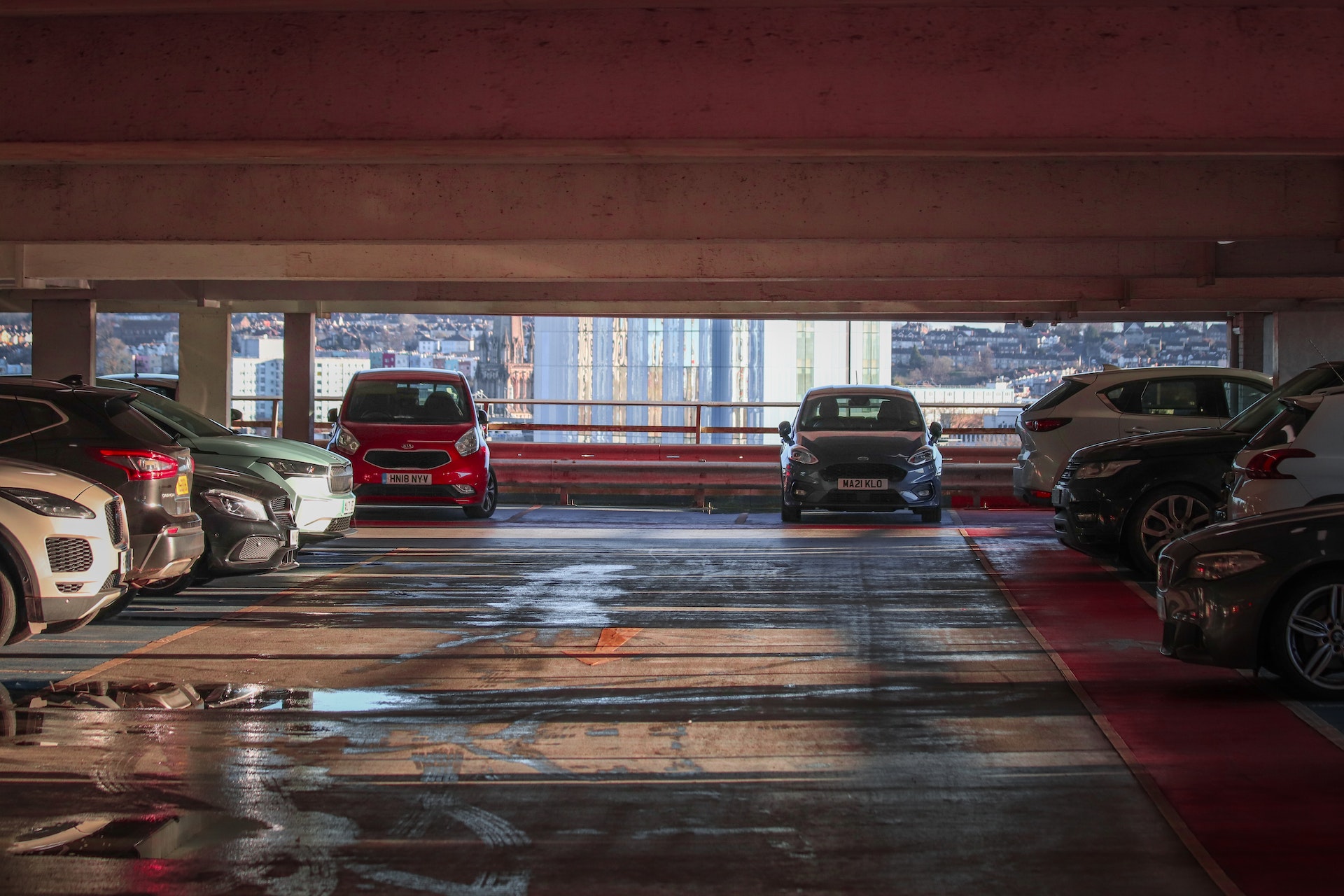
We repair suitable loading dock and parking garage concrete damaged by road salt, water, vehicle traffic, spalling, and broken edges. GLI Epoxy Flooring checks drainage, joints, surface strength, and damage depth before rebuilding weak areas or preparing the slab for resurfacing and protection where needed.
5. Which areas do you serve for concrete repair around Toronto?
GLI Epoxy Flooring is based in North York and serves concrete repair projects across Toronto, including Etobicoke, Scarborough, Rexdale, and Downsview. We also handle selected work throughout the GTA. Project scope, access, floor condition, and travel requirements are reviewed before scheduling with the client.
6. What is the difference between concrete repair and concrete resurfacing?
Concrete repair corrects local defects such as cracks, holes, damaged joints, and spalled areas. Concrete resurfacing renews a larger worn surface after those defects are repaired. Replacement is usually considered when the slab has major settlement, severe heaving, an unstable base, or widespread structural failure.
7. Can cracked concrete be resurfaced, or will the cracks return?
Yes, cracked concrete can often be resurfaced after the cracks are assessed and repaired. The slab must remain stable, and active movement, moisture, or settlement must be addressed first. Resurfacing over untreated cracks can allow damage to reflect through the new surface and shorten its service life.
8. What causes concrete spalling in Toronto?
Concrete spalling in Toronto is often linked to water entry, freeze-thaw cycles, road salt, corrosion, impact, or weak surface concrete. Moisture enters pores and cracks, then expansion and chloride exposure weaken the surface. Proper repair removes unsound material before rebuilding and protecting the slab.
9. How long does concrete repair and resurfacing take?
The timeline depends on the floor size, damage depth, preparation method, repair material, temperature, and cure requirements. Small local repairs may move quickly, while large warehouse resurfacing takes longer. GLI Epoxy Flooring provides a work plan and return-to-service schedule after the slab assessment.
10. How much does concrete repair and resurfacing cost in Toronto?
Concrete repair and resurfacing costs in Toronto depend on area size, access, damage depth, coating removal, moisture, preparation, and the selected system. A site assessment is the best way to price the work accurately. GLI Epoxy Flooring provides a clear written quote based on the actual slab condition.