




Frequently Asked Questions
1. What is commercial floor refinishing and how is it different from replacing the floor?
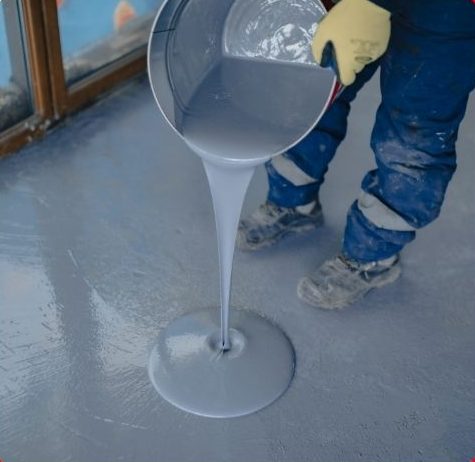
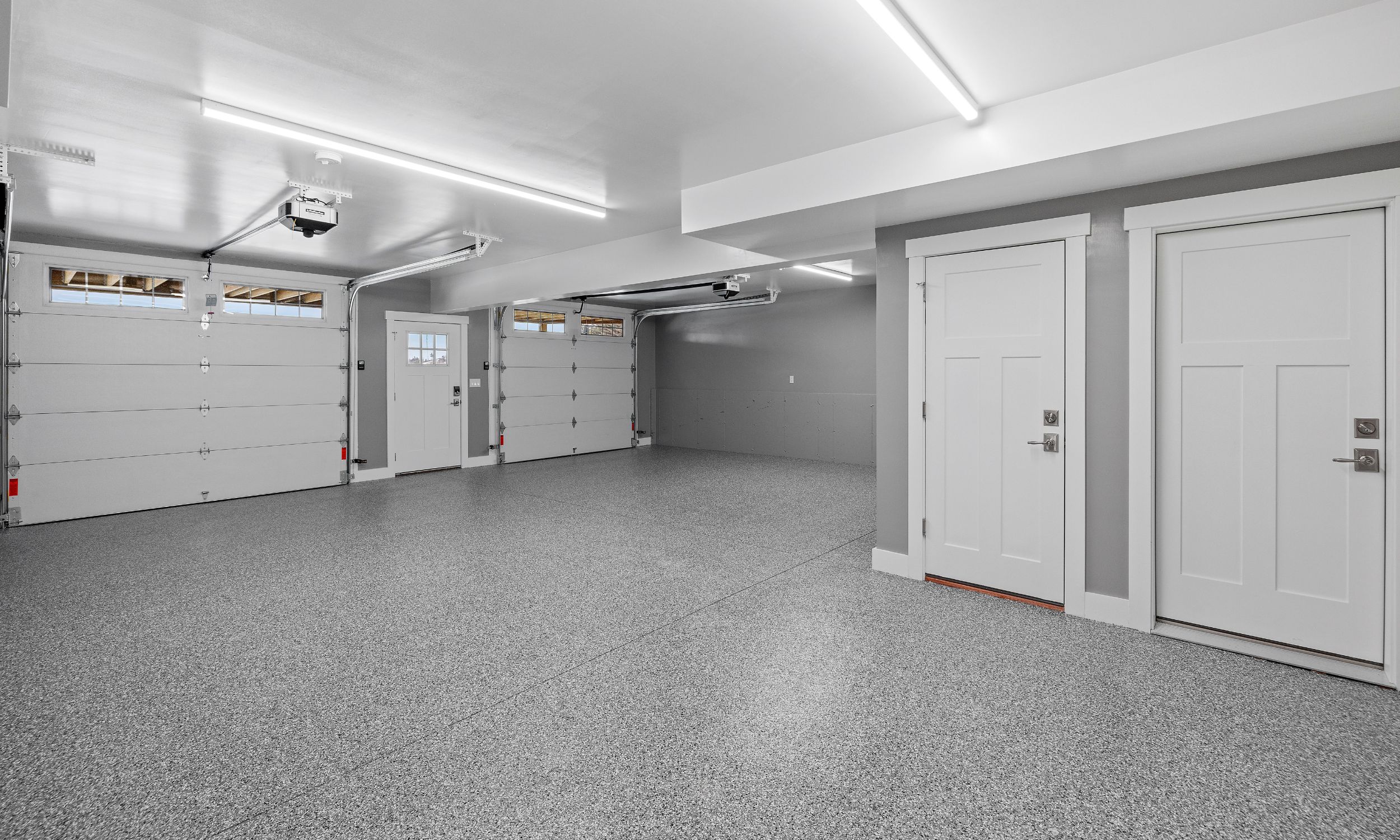
Commercial floor refinishing is the process of restoring an existing concrete floor instead of pouring a new slab. The old coating is ground off, cracks are fixed, and a fresh epoxy or polyaspartic system is applied on top. Full replacement breaks out the slab and pours new concrete, which can take three to four weeks and cost much more. Refinishing commercial floors is often 30% to 50% less expensive than a full replacement. For most Toronto warehouses, retail showrooms, and food plants, refinishing brings the floor back to like-new shape in just one to three days.
2. How much does it cost to refinish a commercial floor in Toronto?
Commercial floor refinishing in Toronto costs between $5 and $15 per square foot in 2026. Basic epoxy systems start around $5 to $10 per square foot. Polyaspartic coatings run $8 to $13 per square foot. Heavy-duty urethane cement for food plants and breweries can reach $10 to $15 per square foot. Larger jobs over 5,000 square feet usually get better per-foot pricing. GLI Epoxy Flooring gives a clear written quote after a free on-site visit so there are no surprises later.
3. How long does commercial floor refinishing actually take?
Most commercial floor refinishing projects in Toronto take one to three days for floors under 5,000 square feet. Bigger warehouse jobs may run four to seven days. Standard epoxy needs 24 to 72 hours to cure fully. Polyaspartic cures in just a few hours, so the floor is ready for light foot traffic by the next morning. GLI Epoxy Flooring also offers weekend, evening, and overnight refinishing across the GTA to keep your business running without long shutdowns.
4. How often should commercial epoxy floors be refinished or recoated in Toronto?
Most commercial epoxy floors need a recoat every 5 to 10 years, and a full refinish every 10 to 15 years. Reseal epoxy and polyaspartic floors every 1 to 5 years in heavy-traffic spots like warehouses and automotive shops. The schedule depends on forklift traffic, chemical exposure, and daily wear. A site inspection from a licensed contractor can tell you the right time. Watch for dullness, fine cracks, peeling edges, or loss of slip resistance as early warning signs.
5. How long does a refinished commercial floor last in Toronto's climate?
A properly refinished commercial floor lasts 10 to 15 years in Toronto. In high-traffic commercial environments, you can expect 10 to 15 years of strong performance. Lifespan depends on the coating system, the prep work, and how the floor is used. Polyaspartic and urethane cement systems can last longer in tough environments. Toronto’s freeze-thaw cycles and road salt do shorten the life of poorly installed coatings. That is why moisture testing and full surface prep matter so much.
6. Can my business stay open during the floor refinishing project?
In most cases, yes. Commercial floor refinishing can be done in sections, so part of the facility stays open while the other part is being worked on. GLI Epoxy Flooring also offers after-hours, weekend, and overnight work across Toronto and the GTA. Polyaspartic systems are popular for this reason because they cure fast and let the floor return to use the next morning. A site visit helps map out the best plan for your operation.
7. Is commercial floor refinishing safe for food plants and healthcare facilities?
Yes. Commercial floor coatings can be made food-safe, USDA-compliant, and HACCP-friendly. Antimicrobial epoxy and urethane cement systems are common in food processing plants, commercial kitchens, breweries, and hospitals across Toronto. Low-VOC products are used in occupied buildings to keep the air safe. The coatings are seamless, easy to clean, and resist bacteria, harsh cleaners, and thermal shock from steam washing.
8. What kind of surface prep is needed before refinishing a commercial floor?
Proper surface prep is the most important part of any commercial floor refinishing job. The slab is ground with diamond grinders or cleaned with shot blasting to remove the old coating, oil, and surface dust. Cracks are filled, low spots are patched, and joints are sealed. Moisture levels are tested to make sure the slab is dry enough for the new coating. Skipping this step is the main reason coatings peel or bubble within a year or two.
9. Should I pick epoxy or polyaspartic for my Toronto commercial floor?
Epoxy is the best pick for indoor commercial floors with steady traffic and chemical exposure. It is cost-effective, strong, and works well in warehouses, auto shops, and retail spaces. Polyaspartic is a better pick if you need a fast turnaround, UV resistance, or a floor that can handle road salt and freeze-thaw cycles. Polyaspartic cures in hours instead of days. Many GTA businesses use a hybrid system with an epoxy base and a polyaspartic topcoat for the best of both.
10. How do I know when my commercial floor needs to be refinished?
Common signs include cracks, peeling edges, dull spots, deep stains, and slippery surfaces. Concrete dust on the floor is another red flag. It means the slab itself is wearing down. Forklift tire marks that no longer clean off and worn joint sealant are early warnings. A free site inspection from GLI Epoxy Flooring will tell you if a recoat, partial refinish, or full refinish is the right move.
11. Do you offer commercial floor refinishing outside of Toronto?
Yes. GLI Epoxy Flooring serves the full Greater Toronto Area and beyond. Service areas include North York, Mississauga, Vaughan, Markham, Richmond Hill, Aurora, Bolton, Hamilton, Cambridge, Barrie, Muskoka, and Thornhill. The team works in warehouses, retail showrooms, food plants, auto shops, and healthcare facilities across the region. Book a free site inspection at 1088 Barmac Dr, North York, or by phone for a clear written quote.