








Frequently Asked Questions
Can you install epoxy flooring without closing my entire Rexdale facility?
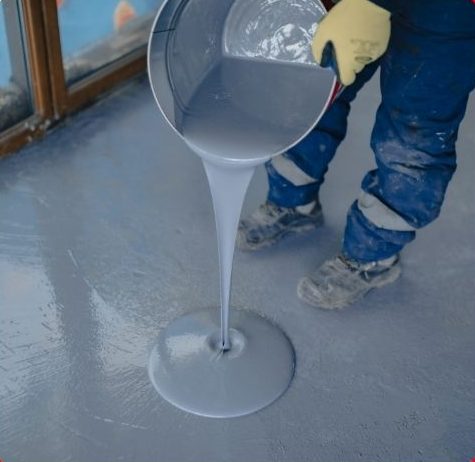
A phased installation may keep part of a facility available when the layout, access routes, work zones, and selected system allow it. Preparation and curing areas must remain protected from traffic and contamination. We map operational priorities first, then organize stages without shortening required installation or curing periods.
How long must a commercial epoxy floor cure before reopening?
Reopening time depends on product chemistry, coating thickness, number of layers, concrete and air temperature, humidity, and expected traffic. Foot traffic, forklifts, and chemical exposure may require different waiting periods. GLI Epoxy Flooring confirms return-to-use stages from the installed system requirements.
Can epoxy flooring withstand forklifts and pallet jacks?
Yes, a properly specified resin floor can support forklift and pallet-jack traffic, but not every epoxy build provides the same performance. Wheel type, load, turning zones, impacts, slab strength, preparation, coating thickness, and aggregate all matter. High-wear routes may require a heavier system or added texture.
Will commercial epoxy resist oil, cleaners, and automotive fluids?
Chemical resistance varies by coating, fluid, concentration, temperature, contact time, and cleanup routine. A system that handles motor oil may respond differently to solvents, acids, or aggressive cleaners. Rexdale facilities should identify likely exposures so product resistance data can guide coating and topcoat selection.
Can a Rexdale epoxy floor include slip-resistant texture?
Yes, aggregate can be incorporated into an epoxy system to increase surface texture and improve traction. More texture can also trap soil and make cleaning harder, so the finish must balance slip risk, traffic, spills, and maintenance. Wet entrances, automotive bays, and warehouses may need different surface profiles.
Is shot blasting better than grinding for warehouse concrete?
Neither method is automatically better. Shot blasting can efficiently profile broad, open areas, while diamond grinding offers control around edges, for repairs, coatings, and smaller spaces. The slab condition, contaminants, required concrete profile, facility access, dust control, and selected flooring system determine the preparation method.
Must the old floor coating be removed before new epoxy is applied?
Failing, contaminated, incompatible, or poorly bonded coatings should be removed before installing a new epoxy system. An existing sound coating may still require adhesion testing and mechanical abrasion. Covering an unknown surface without checking its bond can transfer the old coating’s failure directly into the new floor.
Can cracks and control joints be covered by commercial epoxy?
Repairable cracks can be prepared and filled before coating, but movement joints require separate treatment and should not simply disappear beneath rigid epoxy. Floor movement can cause repaired cracks to reflect through later. The crack pattern, joint purpose, slab condition, and expected movement guide the repair detail.
Can epoxy flooring include safety lines and color-coded work zones?
Yes, compatible coatings can create aisle lines, pedestrian routes, equipment zones, loading areas, and restricted sections within a resin floor. The markings should follow an approved layout and suit the surrounding system. Surface preparation, color contrast, traffic, cleaning, and future layout changes all affect the plan.
What affects commercial epoxy flooring prices in Rexdale?
Commercial pricing depends on floor area, concrete damage, removal of old coating, grinding or shot blasting, repairs, system thickness, texture, markings, access, and installation stages. Chemical exposure and reopening requirements can also change the scope. A site review allows our team to price the actual facility conditions.