









Frequently Asked Questions
What affects the cost of epoxy flooring for a Woodbridge garage?
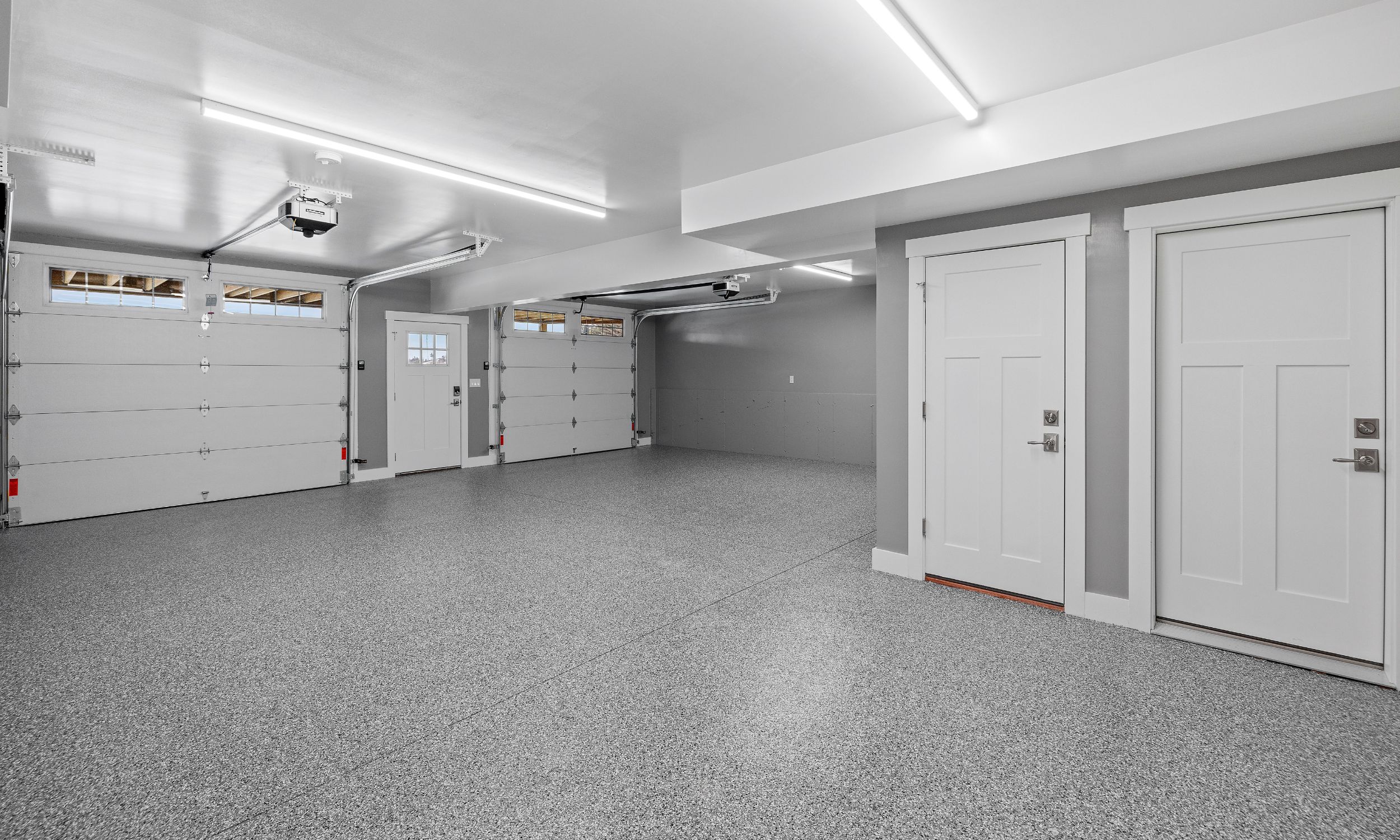
Garage epoxy pricing depends on floor area, concrete condition, crack repair, coating removal, moisture concerns, preparation time, and the selected flake, opaque, metallic, or quartz system. Photos and approximate dimensions help, but an on-site floor review gives GLI Epoxy Flooring the details needed for an accurate quote.
How soon can I park on my new epoxy garage floor?
Parking time depends on the installed system, number of layers, slab temperature, humidity, and product curing requirements. Foot traffic, stored items, and vehicles may have different return-to-use stages. GLI Epoxy Flooring provides project-specific timing after installation rather than relying on a single general waiting period.
Can epoxy flooring handle road salt and melting snow in Woodbridge?
Yes, a properly prepared and correctly selected epoxy system can protect garage concrete from road salt, melting snow, oil, and normal vehicle use. The coating does not remove the need for maintenance, so salt residue and pooled water should still be cleaned to protect the finish and maintain safer footing.
Can epoxy be installed over cracks in my concrete floor?
Epoxy can cover concrete after repairable cracks receive the required preparation and filling, but a coating cannot stop structural movement. Active cracks or movement joints may reappear if the slab continues shifting. The crack type, width, edges, and surrounding concrete must be checked before the flooring scope is set.
Should I choose flake or metallic epoxy for my Woodbridge floor?
Flake epoxy adds texture, color variation, and practical concealment of marks, making it popular in garages and workshops. Metallic epoxy creates flowing patterns and stronger visual impact for basements, studios, or showrooms. The better choice depends on use, cleaning, desired grip, lighting, and design goals.
Is quartz epoxy a good option for wet or busy areas?
Quartz epoxy can provide a thicker, textured surface with strong mechanical and stain resistance for busy or moisture-exposed spaces. Texture can improve traction, but heavier profiles may require more detailed cleaning. Floor use, spill risk, cleaning methods, and required grip should guide the final quartz finish.
Can epoxy flooring be installed in a damp basement in Woodbridge?
Epoxy may work in a basement, but the concrete must first be checked for moisture and any source of water entry. Excess vapor can interfere with adhesion or cause flooring failure. Moisture readings, slab condition, drainage concerns, and the selected product determine if coating or additional moisture control is needed.
Why does concrete need grinding before epoxy installation?
Grinding removes surface contamination, weak laitance, old coatings, curing compounds, and other material that can block adhesion. It also creates a concrete profile that gives the epoxy a mechanical bond. Cleaning alone cannot produce that profile, which is why preparation plays such a major role in floor performance.
Will an epoxy floor resist scratches and everyday garage wear?
Epoxy flooring resists ordinary abrasion and wear, but no coating is completely scratch-proof. Sharp tools, dragging metal, abrasive grit, and concentrated loads can still mark the surface. Regular sweeping, prompt spill cleanup, protective pads, and careful movement of heavy objects help preserve the finished floor.
What should I provide when requesting a Woodbridge flooring quote?
Share the property location, floor dimensions, room use, existing coating, visible cracks, stains, moisture concerns, access details, and preferred finish. Clear photos of the full floor and damaged areas are also useful. These details help our team prepare for the site review and identify the likely service and system requirements.