








Frequently Asked Questions
Q: How much does it cost to epoxy a two-car garage in North York?
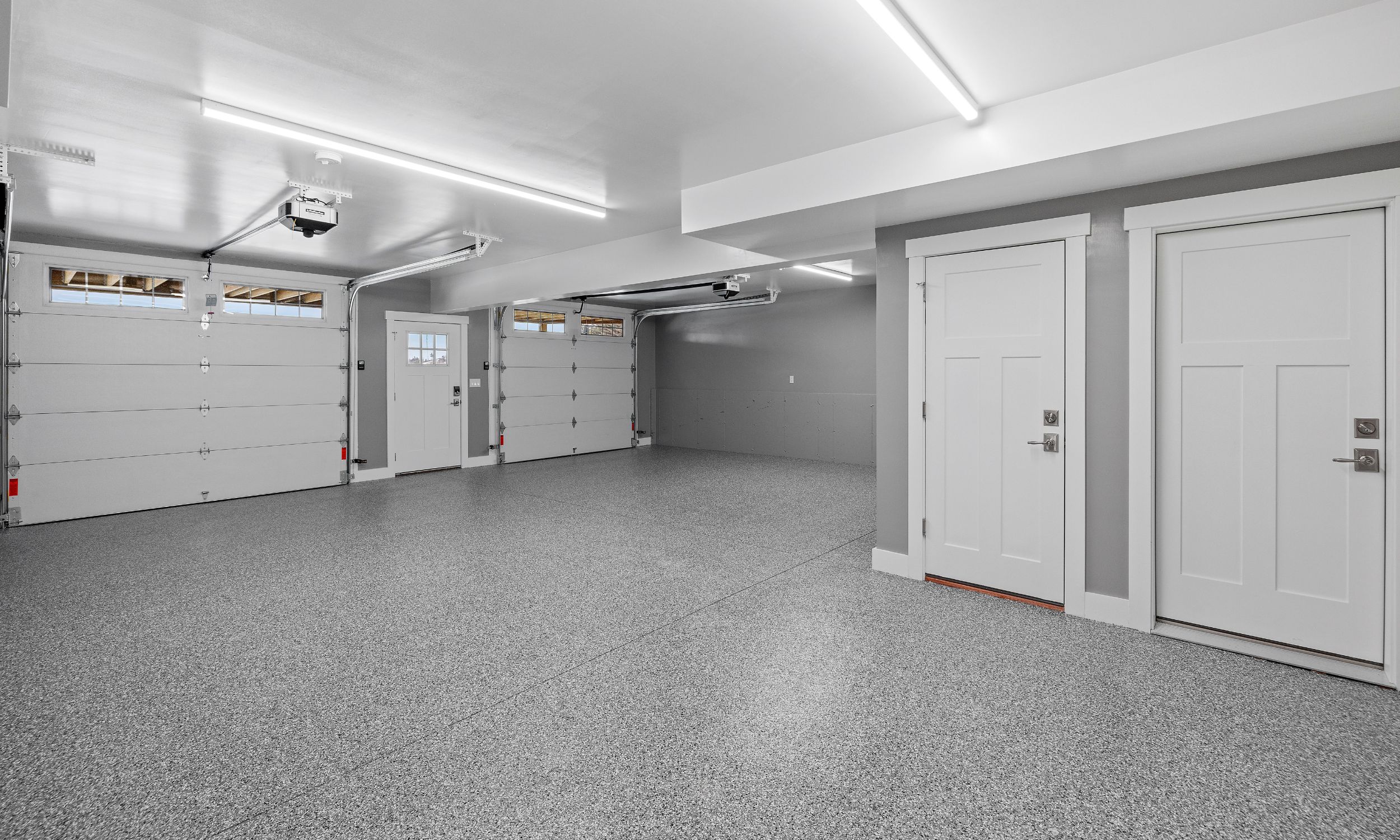
Pricing for a two-car garage epoxy floor in North York depends on the slab condition, the system selected, and the preparation required. A standard flake system with a polyaspartic topcoat typically falls within the per-square-foot range we detail in the written quote. Old coatings, cracks, and moisture issues can adjust the total.
Q: What is the best epoxy floor for a North York garage?
A flake epoxy system with a polyaspartic topcoat works for most North York garages because it handles road salt, oil, and hot-tire pickup while providing anti-slip traction. Metallic finishes suit showroom-style garages. We bring samples to the home so the homeowner sees the finish under their own garage lighting conditions.
Q: Can epoxy be installed on a damp basement floor?
Epoxy can coat a basement floor with vapor-level moisture when a blocking primer is applied first. If calcium chloride testing indicates active water entry or moisture levels exceeding coating thresholds, the source must be addressed before any epoxy system is applied. We explain limits clearly during every basement assessment.
Q: How long before I can park on a new garage floor?
Light foot traffic is safe at 24 hours after the final coat. Vehicles should stay off the surface for at least 72 hours. Full chemical and abrasion cure reaches strength at 7 days. We provide a written cure schedule with every garage project so the homeowner knows the exact timeline for their floor.
Q: Should cracks be repaired before an epoxy floor is installed?
Cracks must be routed and filled with structural polyurea before any epoxy coating is applied. Coating over unfilled cracks leads to telegraphing and early coating failure in both garages and basements. Cracked garage and basement floor epoxy repairs are part of our standard preparation process in North York.
Q: Is residential epoxy flooring safe when wet?
Flake broadcast creates surface texture that provides traction even when the floor is wet. Smooth metallic finishes can be slippery when wet unless anti-slip additives are mixed into the topcoat. We discuss aggregate types and traction options with every homeowner during the system selection stage of the residential project.
Q: Can epoxy go over old garage floor paint?
Epoxy can coat a basement floor with vapor-level moisture when a blocking primer is applied first. If calcium chloride testing indicates active water entry or moisture levels exceeding coating thresholds, the source must be addressed before any epoxy system is applied. We explain limits clearly during every basement assessment.
Q: Which is better for a basement, flake or metallic epoxy?
Flake epoxy works for utility basements, home gyms, and laundry rooms because it adds traction and hides wear. Metallic epoxy suits feature rooms and entertainment spaces where visual depth and design matter. Both need moisture testing first. We bring samples so the homeowner sees each finish under their basement lighting.
Q: Do I need condo-board approval for epoxy flooring?
Most condo buildings in North York require board or property management approval before any flooring work begins. GLI Epoxy Flooring provides insurance certificates, scheduling documents, and low-odor system options. We coordinate work hours and ventilation compliance to ensure the project meets building codes from start to finish.
Q: How do I clean a residential epoxy floor?
Dust mop or soft broom for daily maintenance. Damp mop with a neutral pH cleaner weekly or as needed. Avoid harsh chemicals and abrasive pads on the surface. The polyaspartic topcoat resists staining from common household spills. We include a written cleaning guide with every residential epoxy floor we install in North York.