











Frequently Asked Questions
How do I choose residential epoxy floor installers in Woodbridge?
Choose installers who explain concrete preparation, moisture concerns, repair limits, coating layers, curing, and warranty terms before quoting. Ask how they remove old paint and create a surface profile. GLI Epoxy Flooring provides a room-specific plan and a free, written quote in Woodbridge.
Which rooms in a Woodbridge home can receive epoxy flooring?
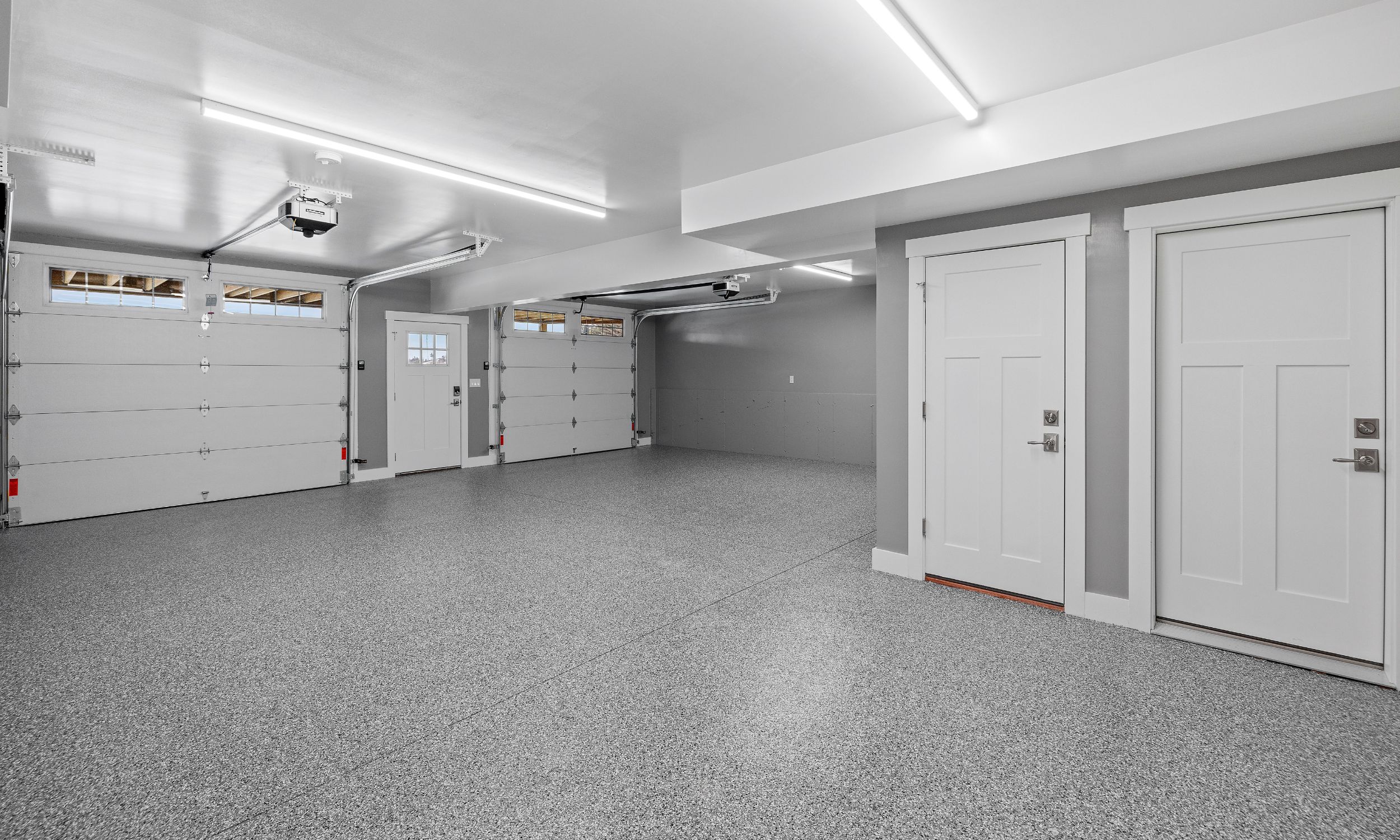
Epoxy can suit sound concrete in garages, basements, laundry and utility rooms, home gyms, workshops, hobby rooms, and mudrooms. The right system depends on moisture, traffic, cleaning, lighting, and desired texture. Wood, tile, and flexible subfloors require a different flooring assessment before work.
Can residential epoxy be installed over old paint or coated concrete?
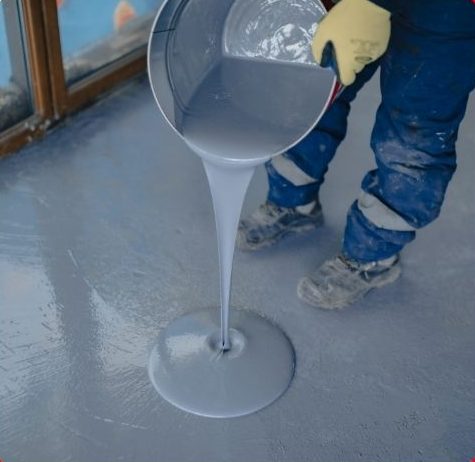
Not reliably without checking what is underneath. Loose paint, sealers, curing compounds, adhesive, and unknown coatings can weaken adhesion. Professional installers normally remove incompatible material by mechanical preparation, expose sound concrete, complete suitable repairs, and then apply the specified epoxy system.
Can epoxy flooring be installed in a damp Woodbridge basement?
Only after you understand the moisture source and slab readings. Humidity, condensation, plumbing leaks, wall seepage, and vapor transmission create different risks. Epoxy does not fix drainage, foundation leaks, or hydrostatic pressure. Correct active water problems before installing a basement system.
How long should new concrete cure before residential epoxy installation?
New concrete often needs at least 28 days before coating, but time alone does not prove readiness. Mix design, slab thickness, temperature, ventilation, moisture, and the selected product also matter. The installer should confirm the concrete meets the system requirements before grinding, priming, or applying epoxy.
Will repaired concrete cracks show through an epoxy floor later?
They can. Stable, serviceable cracks may be cleaned and filled during preparation, but epoxy cannot stop structural movement or guarantee a crack will never return. Active cracks, settlement, and moving joints need separate attention. The installer should explain what can be repaired and which joints must remain functional.
Which is better for a home: flake, metallic, opaque, or quartz epoxy?
The best choice depends on the room. Flake helps disguise dust and minor visual marks, metallic creates flowing color movement, opaque gives a uniform solid finish, and quartz adds a dense textured look. Compare appearance, footing, cleaning effort, lighting, traffic, and household use before selecting a system.
How soon can I walk, move furniture, or park on a new epoxy floor?
Return-to-use timing depends on the coating chemistry, number of layers, temperature, humidity, ventilation, and the load returning to the room. Walking, furniture, and vehicle traffic may have different wait times. Follow the project-specific curing instructions instead of relying on one universal schedule.
Is residential epoxy flooring slippery when it gets wet?
Smooth coatings can become slippery when wet, while selected texture or aggregate can improve footing. More texture may also hold soil and require more detailed cleaning. Tell the installer about wet footwear, pets, children, laundry use, and garage conditions so they can plan the texture around your household.
What affects the cost of residential epoxy flooring in Woodbridge?
Price depends on floor size, concrete condition, old coating removal, crack and surface repairs, moisture requirements, edge work, access, system type, decorative finish, texture, and number of layers. A site-specific quote is more useful than a flat square-foot figure because preparation can change the project scope.