Concrete appears durable, yet it quietly absorbs water like a sponge. In Toronto, that vulnerability becomes expensive quickly. Concrete sealing in Toronto protects driveways, garages, and floors against the city’s severe winters. The payoff is a surface that endures longer and appears better.
GLI Epoxy Flooring helps property owners protect and upgrade concrete with the right system. That ranges from basic sealers to full epoxy flooring in Toronto. This guide clarifies how sealing functions and where each sealer type belongs. It also covers prep, cost, and when a coating beats a simple seal.
Why Concrete Sealing Matters in Toronto’s Climate
Toronto concrete endures a punishing annual cycle. Water infiltrates minuscule pores, then freezes and expands. That pressure fractures the surface from the inside out. The same cycle repeats with every thaw and refreeze.
Road salt intensifies the deterioration. De-icing salts transport chlorides deep into the concrete. Those chlorides trigger spalling, flaking, and surface scaling. Moisture, oil, and sunlight contribute stains and gradual deterioration over time.
An effective seal obstructs most of that water and salt. Less water means far less freeze-thaw cracking. The concrete consequently remains stronger and cleaner for years longer.
How Sealing Protects and Enhances Concrete
Sealing works on two fronts at once. It protects the slab, and it enhances the appearance. GLI Epoxy Flooring treats both as part of the same job.
Regarding protection, a sealer reduces how much water the concrete absorbs. It resists salt, oil, grease, and chemical spills. Stains wipe away instead of penetrating. The surface additionally repels dust and resists daily abrasion.
Regarding appearance, the appropriate product intensifies the natural tone. Some sealers add a subtle sheen or a wet look. Others remain matte and virtually invisible. Regardless, a sealed floor registers as clean and maintained.
Surface Preparation: The Foundation of a Lasting Seal
A sealer is only as effective as the preparation beneath it. Neglecting this step is the foremost reason seals fail. The surface must be clean, sound, and sufficiently porous to bond.
Preparation begins with a thorough cleaning to eliminate dirt and grime. Old coatings and weak surface layers are removed next. Professional concrete surface preparation uses grinding or shot blasting for this. That step exposes the pores so the sealer can adhere.
Timing is equally important. New concrete needs about 28 days to cure first. Sealing too early traps moisture and compromises the adhesion.
Types of Concrete Sealers and When to Use Each
Not every sealer suits every surface. The optimal choice depends on the floor, the traffic, and the objective. The table below summarizes the primary options.
| Sealer Type | How It Works | Best For | Reapply |
|---|---|---|---|
| Penetrating (silane/siloxane) | Soaks in, invisible, repels water and salt | Driveways, outdoor slabs, freeze-thaw areas | About 5 to 7 years |
| Acrylic | Thin film, enhances colour, adds sheen | Decorative and stamped concrete, patios | Every 2 to 3 years |
| Polyurethane | Tough, durable film | High-traffic commercial floors | Less often |
| Epoxy | Thick, hard, chemical-resistant coating | Garage floors, industrial and commercial spaces | Long-lasting |
Penetrating sealers absorb inward and leave no film. They resist salt and freeze-thaw without becoming slippery. That establishes them as the preferred option for driveways and outdoor slabs. Film-forming products, by contrast, remain on top and contribute shine.
Sealing, Polishing, or Epoxy Coating?
Sealing is merely one option among several. Two more robust alternatives exist for concrete that demands more. Each suits a different budget and finish.
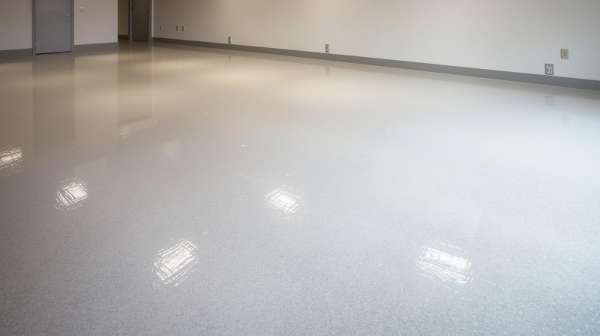
Polished concrete is ground smooth, then densified and refined. The result is a hard, glossy surface that requires minimal upkeep. Professional concrete diamond polishing creates that mirror-like floor. It simultaneously seals and beautifies in one process.
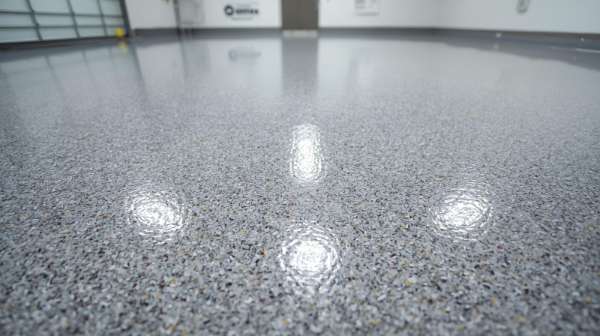
Epoxy coatings advance further still. They bond a thick, resilient layer over the prepared slab. That layer withstands chemicals, impact, and heavy traffic. A simple seal protects, whereas a coating completely transforms.
Wondering which option fits a specific floor or driveway? A quick assessment saves money and prevents the wrong product. Call 289-236-8371 or use the contact page for a free quote across Toronto and the GTA.
Sealing Garage Floors and Basements
Garage floors endure considerable abuse all winter long. Cars drip melted snow, road salt, and oil onto the slab. An unsealed garage floor absorbs all of it. Sealing or coating that floor prevents deterioration early.
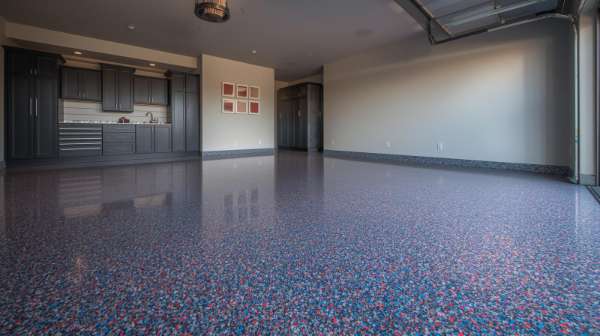
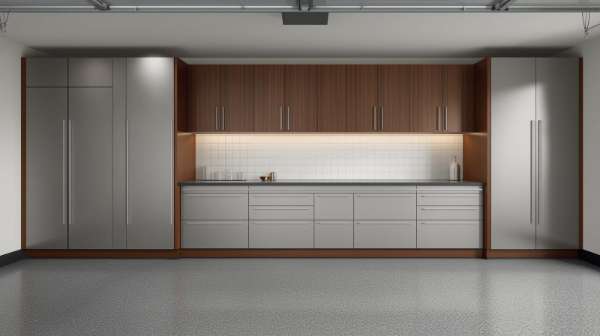
For most garages, a durable coating outperforms a thin seal. GLI Epoxy Flooring installs durable epoxy garage floor coatings built for that abuse. The finish withstands salt, hot tires, and chemical spills. Basements benefit similarly, where sealing combats moisture and musty dampness.
Sealing Driveways and Outdoor Concrete
Outdoor concrete faces the harshest conditions of all. Driveways, walkways, and patios endure sunlight, rain, and constant salt. They also ride the full freeze-thaw cycle each winter. A penetrating sealer is usually the most effective defence here.
The sealer penetrates inward and repels water without a slippery film. It protects against salt scaling and surface cracking. Professional concrete driveway services handle the cleaning, repair, and sealing as one job. The driveway retains its natural appearance while enduring years longer.
DIY vs Professional Concrete Sealing
Store-bought sealers tempt numerous homeowners every spring. The product appears inexpensive and the job appears simple. In practice, the outcomes frequently disappoint within a season.
Most DIY failures originate from inadequate preparation or poor timing. A sealer over dirty or damp concrete will not adhere. The wrong product on a salted driveway deteriorates rapidly. Industry research shows how de-icing salt scales concrete when protection falls short.
A professional supplies proper grinding equipment and the appropriate product. The preparation is thorough, and the application is uniform. That difference is precisely what enables a seal to genuinely endure.
Common Signs Your Concrete Needs Sealing
Water Absorbs Instead of Beading
One of the easiest ways to check a concrete surface is to pour a small amount of water on it. If the water quickly soaks into the concrete rather than forming beads on the surface, the existing sealer is likely wearing off. This allows moisture to penetrate the slab and increases the risk of future damage.
Surface Colour Looks Faded
Concrete naturally loses some of its appearance over time, but excessive fading often indicates that the protective layer has broken down. UV exposure, weather, and daily wear gradually strip away protection, leaving the surface looking dull and aged.
Stains Are Becoming More Noticeable
Oil, grease, rust, and dirt should be easier to clean from properly sealed concrete. When stains begin penetrating deeply into the surface instead of remaining on top, it is often a sign that the sealer is no longer providing effective protection.
Small Cracks Are Starting to Form
Minor cracks can develop as moisture enters the concrete and expands during freeze-thaw cycles. While small cracks may seem harmless at first, they often signal that the surface is no longer adequately protected against water intrusion.
Flaking or Surface Scaling Appears
When pieces of concrete begin chipping, flaking, or scaling away, water and road salt have usually penetrated the surface. This damage is especially common on Toronto driveways and outdoor slabs exposed to harsh winter conditions.
Excessive Dusting on the Surface
Concrete that produces a fine powder or dust when walked on may be experiencing surface deterioration. This condition often occurs when the top layer weakens due to moisture exposure and wear. A quality sealer helps strengthen and protect the surface from further breakdown.
How Often Should Concrete Be Resealed?
Outdoor Driveways and Walkways
Driveways and walkways face constant exposure to rain, snow, UV rays, and road salt. Most outdoor concrete benefits from resealing every few years, depending on the product used and the amount of traffic it receives.
Garage Floors and Commercial Spaces
Garage floors and commercial concrete surfaces experience heavy vehicle traffic, chemical exposure, and abrasion. These areas should be inspected regularly to ensure the protective layer remains intact and effective.
The Importance of Regular Inspections
Rather than waiting for visible damage, property owners should inspect concrete annually. Early detection of wear allows for timely maintenance, helping extend the life of the surface and reducing long-term repair costs.
Conclusion
Concrete sealing in Toronto is a minor investment with a substantial payoff. It obstructs the water and salt that damage local slabs. It also keeps driveways, garages, and floors appearing pristine. The essential factor is matching the appropriate system to the surface.
As a local specialist, GLI Epoxy Flooring covers the full range, from sealers to coatings. The team also installs residential epoxy flooring for floors that need more. Proper preparation and the appropriate product convert plain concrete into a durable surface.
Unsealed concrete only becomes more expensive to repair each winter. The crew at GLI Epoxy Flooring seals, polishes, and coats floors across Toronto and the GTA. Call 289-236-8371 or visit the Contact Page for a free quote and expert advice.
Frequently Asked Questions
1. What does concrete sealing do, and is it worth it in Toronto?
Concrete sealing applies a protective treatment to the surface of a slab. The product either penetrates the pores or forms a thin film on top. Its principal function is preventing water, de-icing salt, oil, and other contaminants from penetrating the concrete. In Toronto, that protection is particularly significant. The region’s freeze-thaw cycles push water into the concrete, where it freezes, expands, and cracks the surface from within. Road salt introduces chlorides that cause spalling and flaking. By keeping moisture and salt out, a quality seal reduces cracking, scaling, and staining. It also makes the surface considerably easier to clean. Sealing additionally improves the appearance, deepening the colour and adding an optional sheen. An unsealed slab can deteriorate years before its time. For that reason, sealing is usually a worthwhile and economical investment for any Toronto property. It protects a major asset and cuts the risk of costly repairs down the road.
2. How often should concrete be resealed in the GTA?
The reseal schedule depends on the type of sealer and how much wear the surface takes. A penetrating silane or siloxane sealer absorbs into the concrete. It typically endures around five to seven years before reapplication. Film-forming sealers, such as acrylics, tend to wear faster. They may need a fresh coat every two to three years, especially on surfaces exposed to traffic and sun. In the GTA, harsh winters and heavy road salt can shorten those windows. Outdoor driveways and walkways often need attention sooner than indoor floors. A few signs point to reseal time. Water that once beaded now soaks in, the colour looks faded or patchy, or the surface feels rough and dusty. Checking the concrete each spring, after the winter salt season, is a smart habit. A quick professional assessment confirms the current condition. It indicates whether the existing seal still protects the slab or whether reapplication is due.
3. What is the best concrete sealer for a Toronto driveway?
For most Toronto driveways, a penetrating silane or siloxane sealer is the best choice. These products soak into the concrete and bond chemically within the pores, rather than forming a film on top. That design suits the local climate well. The sealer repels water and de-icing salt, which are the two biggest threats to a driveway through a Toronto winter. Because it leaves no surface film, it will not peel, flake, or turn slippery when wet or icy. It also leaves the concrete looking natural, with no glossy coating. Film-forming sealers, such as acrylics, can enhance colour and add shine, which appeals on stamped or decorative concrete. However, on a hard-working driveway exposed to salt and freeze-thaw, those films tend to wear and peel sooner. Preparation and correct timing matter as much as the product itself. A professional can recommend and apply the right sealer for a specific driveway and its condition.
4. Can a new concrete surface be sealed right away?
No, new concrete should not be sealed right away. Fresh concrete needs time to cure and release its internal moisture. Sealing too early can trap that moisture and ruin the bond. The standard guidance is to wait about 28 days after the pour before applying most sealers. Sealing a slab that has not fully cured frequently creates problems. The consequences include a cloudy finish, poor adhesion, or premature failure within months. There is one exception worth noting. Some products are designed as combined curing and sealing compounds, and these can be applied to fresh concrete by design. For a standard penetrating or film-forming sealer, though, patience pays off. The slab should be fully cured, clean, and dry before any sealer goes down. New concrete is also more porous and vulnerable in its first year. Avoiding heavy de-icing salt that first winter helps protect it until a proper seal is in place.
5. Is concrete sealing the same as epoxy coating or polishing?
No, these are related but distinct ways to protect and finish concrete. Sealing applies a relatively thin treatment that either soaks into the pores or forms a light film. It guards against water, salt, and stains while keeping the concrete’s basic look. It is the lightest and most affordable option. Polishing is a mechanical process that grinds the concrete smooth. It then densifies and refines the slab into a hard, glossy surface that requires minimal upkeep. Epoxy coating is the most heavy-duty of the three. It bonds a thick, tough layer over the prepared slab, delivering strong resistance to chemicals, impact, and heavy traffic. A simple seal mainly protects, while polishing and epoxy both protect and transform the surface into a finished floor. The right choice depends on the space, the traffic, the budget, and the desired look. A garage or commercial floor often suits a coating, while an outdoor driveway usually suits a penetrating sealer.
6. How much does concrete sealing cost in Toronto?
The cost of concrete sealing in Toronto fluctuates with several variables. These include the area size, the surface condition, the sealer type, and the preparation required. As a general guide, professional sealing is often priced by the square foot. The total depends heavily on prep work such as cleaning, grinding, or crack repair. A small, sound surface that needs little prep costs far less than a large or damaged one. Penetrating sealers and basic applications sit at the lower end. Decorative finishes, polishing, or full epoxy coatings cost more, because they involve more material and labour. It is also worth remembering that sealing is far cheaper than replacing a cracked, spalled slab later. Every floor and driveway is different. The most reliable budgeting approach is requesting a free, itemized quote based on the actual surface. A professional can assess the concrete and recommend the most cost-effective option.