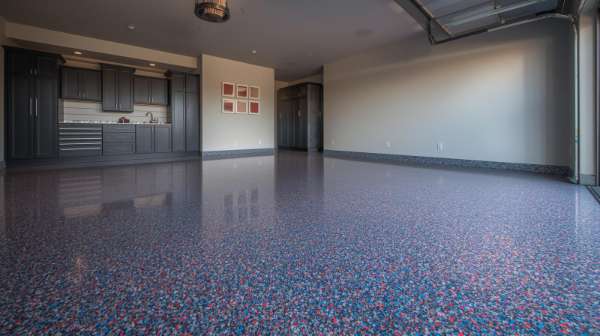
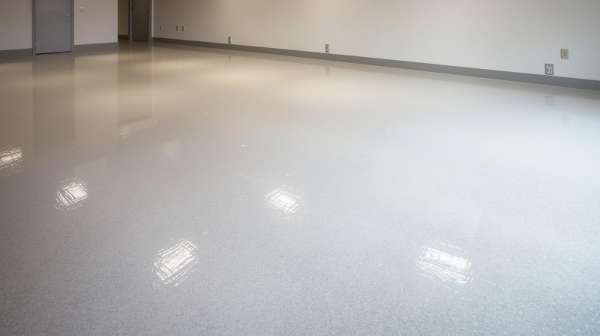
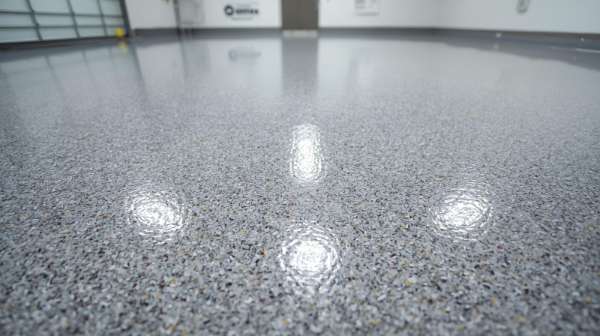
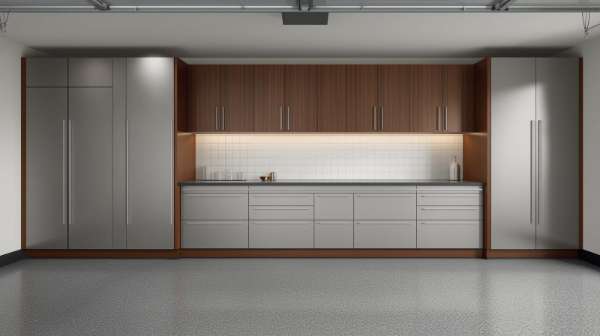
What are the most common epoxy flooring mistakes homeowners make? Skipping surface prep, ignoring moisture, and choosing a cheap DIY kit top the list. GLI Epoxy Flooring sees the same failures again and again in residential epoxy installation across the GTA. This guide breaks down the mistakes that cause most epoxy floor failures, and how to avoid each one.
Why Do Epoxy Flooring Mistakes Cost More in Ontario Homes?
A failed epoxy floor is not just a cosmetic problem. Fixing it usually means grinding off the old coating first. That adds real cost on top of a full reinstall.
Ontario’s climate makes this worse. Freeze-thaw cycles and road salt accelerate the progression from small mistakes to visible failures. A shortcut that might hold up in a mild climate often fails within a year or two here.
Most of these mistakes are avoidable. They come from a few common decisions made before or during installation.
Mistake: Skipping Proper Surface Preparation
Poor surface prep is the single biggest cause of epoxy failure. Concrete must be free of oil, grease, and old coatings before epoxy goes down.
GLI Epoxy Flooring uses diamond grinding for proper concrete surface profile on every job. Acid etching alone opens the surface less effectively. It often is not enough for a lasting bond.
Skipping this step is why many DIY floors peel within the first year. The epoxy simply has nothing solid to grip onto.
Mistake: Ignoring Moisture in the Concrete Slab
Concrete is porous. Moisture trapped beneath the surface can push a coating off months after installation.
Moisture testing during surface preparation catches this problem early. A simple test tells installers whether the slab is ready.
Bubbling that shows up weeks after a fresh coating almost always traces back to this step being skipped.
Mistake: Choosing a Cheap DIY Kit Over a Professional System
Big-box DIY kits look appealing at a low price. Most are thin, single-coat, water-based products that wear out fast.
GLI Epoxy Flooring replaces failed DIY floors across Markham, Vaughan, and Richmond Hill every spring. A professional-grade, two-part epoxy system bonds far better. It lasts many times longer too.
The price difference upfront often disappears once a DIY floor needs a full redo within two or three years.
Mistake: Installing in the Wrong Temperature or Humidity
Epoxy is sensitive to temperature and humidity during application and curing. Cold slabs or high humidity can prevent proper curing entirely.
Temperature and humidity windows for epoxy installation in Toronto are narrower than most homeowners expect. This is especially true in unheated garages during shoulder seasons.
A coating applied outside these windows may stay tacky. It can also cure unevenly or fail to bond at all.
Dealing with a peeling, bubbling, or unevenly cured epoxy floor? Call 289-236-8371 or reach out through our contact page for a free on-site assessment. Most failed floors can be fixed with a proper strip and reinstall.
Mistake: Rushing the Cure Time Before Using the Floor
Epoxy cures in stages. Walking on it too soon can leave permanent footprints or scuff marks.
Driving a vehicle on it before full cure is worse. Tires can leave marks that never fully disappear. In some cases, the tyres pull the coating up entirely.
Most professional systems need at least 24 hours before foot traffic. Vehicle traffic needs several days more. Rushing this window is a common and costly mistake.
Mistake: Skipping the Topcoat or Choosing the Wrong One
Many DIY kits skip the clear topcoat entirely, or treat it as optional. Without one, the base coat is exposed directly to UV light, tyres, and scratches.
A quartz or flake topcoat system adds real protection against wear and yellowing. The wrong topcoat choice for the space also wears out fast. A purely decorative topcoat in a heavy-use garage is a common example.
The topcoat often makes the difference. A floor that looks good for two years versus one that lasts fifteen usually comes down to this one choice.
Mistake: Hiring the Cheapest Installer Instead of a Qualified One
The lowest quote is not always the safest choice. Some installers cut corners on prep or materials to hit a lower price.
Ontario’s consumer protection guidance on hiring a contractor recommends checking references and getting a written estimate. It also warns against large upfront deposits. The same advice applies directly to epoxy flooring installers.
A contractor unwilling to provide references or a written quote is a warning sign worth taking seriously.
How Can Homeowners Avoid These Epoxy Flooring Mistakes?
Most epoxy flooring failures trace back to a handful of avoidable mistakes. Skipping prep, ignoring moisture, and rushing the timeline account for most of the problems homeowners see.
GLI Epoxy Flooring has repaired and replaced many floors that failed for exactly these reasons. A deeper look at why DIY installations fail more often than professional ones covers this topic further.
Ready to install an epoxy floor that avoids these mistakes from day one? Call GLI Epoxy Flooring at 289-236-8371 or contact us online for a free on-site quote.
Frequently Asked Questions
1. What is the most common reason an epoxy garage floor peels?
Poor surface preparation is the leading cause of epoxy floors peeling. It accounts for the majority of failures seen in both DIY and some professional installations. Concrete needs to be mechanically profiled, typically through diamond grinding, so the epoxy has enough surface to bond correctly. Acid etching alone, which many DIY kits rely on, opens the surface less effectively than grinding does. This often leaves the coating with a weaker mechanical grip on the slab. Contamination from oil, grease, or old sealers also prevents proper adhesion. This holds true even when the floor looks clean to the eye. Floors that peel within the first year almost always trace back to inadequate prep. This is especially common near high-traffic areas like the garage door entrance. This is far more common than a defective product. Proper grinding and a genuinely clean, dry slab prevent most peeling issues homeowners experience.
2. Can a DIY epoxy kit be as durable as a professional installation?
DIY epoxy kits can produce a decent-looking floor at first. They generally cannot match the durability of a professional two-part epoxy system installed with proper surface prep, though. Most big-box kits use water-based, single-coat formulas with a lower solids content. This means a thinner layer of actual epoxy remains once the product cures. The result is a coating that typically lasts one to three years before showing peeling or wear. A properly installed professional system, by comparison, often lasts ten to twenty years. DIY kits also usually lack the mechanical surface profiling that professional installers use, relying on acid etching instead. This creates a weaker bond to the concrete underneath. Homeowners who want to avoid a redo within a few years usually come out ahead with a professional installation. It costs less over time, even with a higher upfront price.
3. How long should an epoxy floor cure before parking a car on it?
Most professional epoxy systems need at least 24 hours before light foot traffic. Parking a vehicle usually requires 72 hours. Full chemical cure can take a week or more, depending on the product and conditions. Walking on the floor too early can leave visible footprints or scuff the still-soft surface. Parking a vehicle before full cure risks something worse. It can leave permanent tire marks, or in some cases pull the coating up entirely when the vehicle moves. Cooler temperatures and higher humidity both slow the cure process. This matters in Ontario’s shoulder seasons, when garage temperatures fluctuate more than homeowners expect. A professional installer will give a specific timeline based on the exact product used and the conditions at installation. That timeline should be followed exactly rather than estimated.
4. Does epoxy need a topcoat to last?
Yes, a clear topcoat is essential for an epoxy floor’s long-term durability. Many DIY kits treat it as optional or skip it entirely, though. Without a topcoat, the base coat is exposed directly to UV light, vehicle tires, and everyday scratches. This leads to yellowing, dulling, and surface wear far sooner than a properly topcoated floor. A quartz, flake, or polyaspartic topcoat adds a dense, protective layer. It resists scratches, chemicals, and hot tire pickup in ways the base coat alone cannot. The right topcoat choice also depends on how the space gets used. A purely decorative topcoat in a heavy-use garage wears out much faster than one chosen for durability. Skipping the topcoat to save money upfront is a common mistake. It is one of the top reasons a DIY epoxy floor looks worn within a year or two.
5. How can homeowners tell if an installer skipped proper surface prep?
Homeowners can ask directly whether the installer plans to diamond grind the concrete or rely on acid etching alone. Grinding produces a stronger mechanical bond for the epoxy. A written quote should specify the exact prep steps included, such as grinding, moisture testing, and crack repair. A vague line item like “floor prep” is not enough detail. Asking whether a moisture test will be performed before coating is another useful question. Skipping this step is a common cause of bubbling that shows up weeks after installation. Reputable installers are typically happy to explain their prep process in detail. They will often show photos of grinding equipment or past prep work. An installer who cannot clearly describe their prep process is a warning sign. The same is true for one who seems eager to skip straight to the coating step.
6. Is it ever too cold in Ontario to install epoxy flooring?
Yes, most standard epoxy systems cannot be applied below roughly 10 degrees Celsius. This limits installation windows during Ontario’s coldest winter months in an unheated garage. Polyaspartic coatings tolerate lower temperatures better than standard epoxy. They can often be applied in a wider range of conditions. This is part of why professional installers frequently recommend them for late-fall or early-spring projects. High humidity can cause similar problems even when temperatures are acceptable. Moisture in the air can interfere with proper curing and adhesion regardless of temperature. Professional installers typically schedule around these windows. They may use heaters or dehumidifiers to create acceptable conditions when a client needs work done outside the ideal season. Homeowners attempting a DIY installation in a cold, unheated garage during winter are especially likely to run into curing problems. A professional crew would either avoid this timing or actively manage around it.