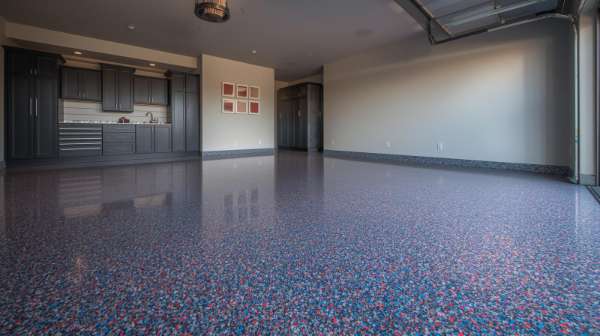
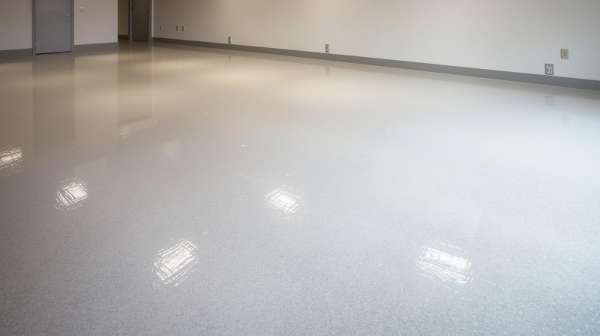
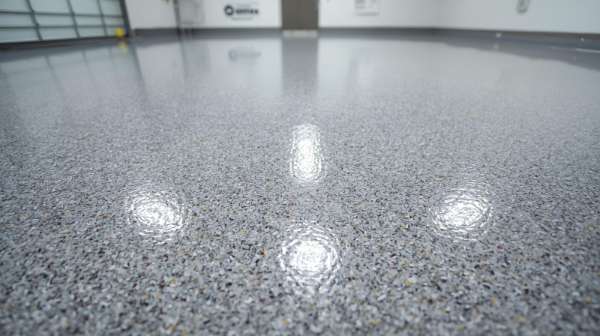
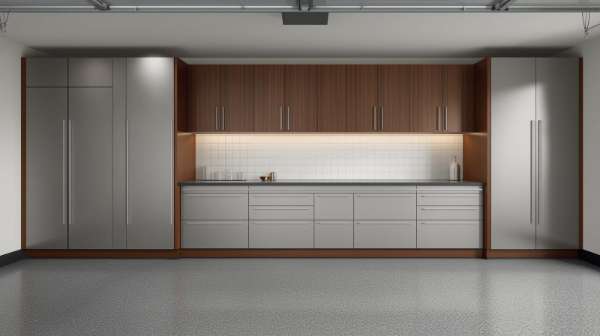
GLI Epoxy Flooring has installed epoxy floors across Toronto and the GTA since 2019, and the question we hear more than any other is: how long will this floor last? The honest answer is between 2 and 20 years, depending on where it is installed, how it was prepped, what system was used, and how Toronto’s climate gets at it every single winter.
This guide gives you the real numbers by setting, explains the specific ways Toronto’s freeze-thaw cycles and road salt shorten epoxy lifespan, and walks you through seven proven ways to get maximum years out of your floor. We also cover how to tell the difference between a floor that needs a recoat and one that needs a full replacement.
The Short Answer: How Long Does Epoxy Flooring Last?
A professionally installed epoxy floor lasts 10 to 20 years in a residential garage in Toronto. Basements with no vehicle traffic can exceed 20 years. Commercial floors under daily foot and vehicle traffic typically last 5 to 10 years. DIY box-store kits, regardless of what the label claims, generally last 1 to 3 years before peeling starts.
The table below breaks down lifespan by setting and gives a realistic read on how Toronto’s winters affect each one. These numbers reflect what we see after installing and revisiting floors across North York, Etobicoke, Vaughan, and Mississauga over six-plus years.
| Setting | System Quality | Expected Lifespan | Toronto Winter Impact |
|---|---|---|---|
| Residential Garage | Professional | 10 to 20 years | Moderate — needs UV topcoat |
| Residential Basement | Professional | 15 to 20+ years | Low — protected from salt/freeze |
| Commercial Floor | Professional | 5 to 10 years | High — salt tracked in daily |
| Industrial Floor | Professional | 3 to 7 years | High — heavy traffic + temp swings |
| DIY / Box-store kit | Consumer grade | 1 to 3 years | Very high — likely to peel by Year 2 |
The biggest variable is not the coating itself. It is the surface preparation. A cheap epoxy system installed on a properly diamond-ground, moisture-tested slab will outlast a premium product dumped over unprepared concrete. That is the truth no flooring brand wants to put on their packaging.
Why Toronto’s Climate Shortens Epoxy Floor Lifespan
Most epoxy lifespan guides are written for climates that do not experience the real conditions of commercial epoxy flooring Toronto winter after winter, road salt, freeze cycles, spring moisture, and slush tracked in from the 401 every day for five months. Vancouver gets rain. Phoenix gets heat. Toronto gets road salt, hard freeze cycles, spring moisture spikes, and slush tracked in from the 401 every day for five months. Each of those conditions attacks an epoxy floor in a specific way.
Freeze-Thaw Cycling at the Slab Level
Toronto typically cycles through 30 to 60 freeze-thaw events per winter. Each time the slab freezes, the concrete expands. Each time it thaws, it contracts. Epoxy is rigid. When the concrete moves and the coating does not flex with it, the bond between the epoxy and the slab weakens over time. This is not something you see in year one. It builds up over three to five winters and then shows up as hairline cracks or corner lifting.
The fix is not just a better epoxy. It is a polyaspartic topcoat that stays slightly flexible after curing, or a polyurea base that bonds more deeply into the concrete profile before any colour coat goes down. Our crew factors slab movement into every garage job we do across the GTA, especially in older homes where the slab was poured without expansion joints.
Road Salt and Chemical Attack
Toronto roads are treated heavily from November through March. Every car that parks in a garage brings in salt, calcium chloride, and sand on its tires and undercarriage. These compounds are mildly corrosive. On a bare concrete floor, they stain and pit. On an epoxy floor, they work into any micro-crack or thin spot in the topcoat over years of exposure.
Salt damage does not look dramatic at first. It starts as a dull patch where the floor has lost its gloss. Over time, that patch turns chalky, then begins to lift at the edges. Floors with a quality polyaspartic topcoat handle salt exposure far better than solid-colour epoxy alone, because the polyaspartic layer provides a denser, chemically resistant seal across the whole surface.
Spring Thaw Moisture and Vapour Transmission
April and May are the hardest months for Toronto garage floors that were not properly moisture-tested before installation. As the ground thaws, moisture migrates upward through concrete slabs, particularly in homes built before 1990 where no vapour barrier was installed under the slab. When that moisture reaches the underside of an epoxy coating, it creates hydrostatic pressure that pushes the coating off the concrete from below.
This is the failure mode that looks like bubbling. Homeowners often blame the product, but the cause is almost always moisture that was present in the slab at install time and was never tested for. Our team runs a moisture test on every slab before we quote a price. Any reading above acceptable thresholds gets a vapour barrier epoxy primer coat as the first layer, which seals against rising moisture before the colour system goes on top.
Unheated Garage Temperature Swings
Most Toronto garages are unheated. That means the floor surface temperature swings from -20C in a cold January snap to +30C during a July heat wave when the garage door has been closed all day. That is a 50-degree swing across a rigid coating system.
Quality commercial-grade epoxy handles that range well. Water-based or thin consumer coatings do not. The expansion and contraction of the concrete during that range, compounded over years, is exactly what produces the lifting and delamination that homeowners blame on poor product quality when it is actually poor system selection for the environment.
Worried Your Toronto Garage Floor Won’t Last Another Ontario Winter? GLI Epoxy Flooring Can Help You Fix That
We test for moisture, prep the slab properly, and use systems built for Ontario’s freeze-thaw conditions. Free quote, same day.
The 5 Most Common Epoxy Failure Modes in Toronto Garages
After six years of installing and repairing epoxy floors across the GTA, our crew sees the same five failure patterns come up again and again. Most of them are preventable. All of them are traceable back to either skipped prep steps or the wrong product choice for the environment.
1. Peeling and Delamination Near Garage Door Edges
The area just inside the garage door takes the most salt, moisture, and temperature stress of any point on the floor. This is where peeling almost always starts. The concrete near the door edge goes through more freeze-thaw cycling than the interior slab because it is exposed to outside air every time the door opens. Floors with a full vapour barrier primer and a polyaspartic topcoat hold this edge far better than standard epoxy systems.
2. Hot Tire Pickup in Summer
Hot tire pickup happens when a car that has been running in summer heat parks on an epoxy floor and the tires bond to the surface. When the car pulls away, patches of the coating come with it. This is a well-known weakness of standard solid-colour epoxy. It happens most often in garages that get direct afternoon sun and on floors where the topcoat is thin. A proper polyaspartic topcoat dramatically reduces the risk. Our crew has not seen hot tire pickup on any floor we have installed with a full polyaspartic seal.
3. Bubbling from Moisture Under the Slab
Bubbles that appear weeks or months after installation are always a moisture problem. The floor looked fine when it cured because the moisture was in the slab, not on the surface. As the ground warmed in spring, moisture migrated up and pushed the coating off. The solution is a moisture test before installation and a vapour barrier primer when readings are elevated. There is no topcoat or finish that fixes a moisture problem that was not addressed at the start.
4. Yellowing Near Windows and Garage Doors
Standard epoxy turns yellow or amber when UV light hits it over time. This happens gradually and is most visible in garages with south or west-facing windows, or where the door is left open regularly during summer. The discolouration is a chemical reaction in the epoxy resin, not a maintenance issue. A polyaspartic topcoat is UV-stable and will not yellow regardless of sun exposure. For any garage with natural light, a UV-stable topcoat is the right call.
5. Cracking Along Control Joints
Control joints are the lines cut into a concrete slab to control where it cracks as it cures and moves. Epoxy applied over these joints without proper joint treatment will eventually crack along the same lines, because the coating is rigid and the slab is still moving slightly beneath it. A proper installation fills or bridges control joints before the coating goes down and uses a flexible joint filler that accommodates movement without transmitting it to the topcoat.
What a Professional Install Does Differently in a Cold Climate
The difference between an epoxy floor that lasts three years and one that lasts fifteen is almost never the brand of epoxy. It is the installation process. Here is what a proper cold-climate install covers that budget jobs skip.
Diamond Grinding, Not Acid Etching
Diamond grinding opens the pores of the concrete and creates a surface profile that epoxy can bond into mechanically. Acid etching, which is still used by some installers and all DIY kits, cleans the surface but does not create the same profile depth. In a climate like Toronto’s where the coating faces real mechanical stress every winter, a mechanical bond from grinding is not optional.
Moisture Testing Before Any Coating Goes Down
Our crew tests every slab before quoting a price. A reading above 75 percent relative humidity in the slab gets a two-part vapour barrier epoxy primer before any colour coat. This adds cost but is the only reliable way to prevent the bubbling and delamination that shows up in spring. Skipping moisture testing is the single most common reason residential epoxy jobs fail early.
Polyaspartic Topcoat as the Final Layer
We recommend a polyaspartic topcoat on every garage floor epoxy Toronto project we install. The polyaspartic layer provides UV stability, scratch resistance, chemical resistance against road salt, and a slight flexibility that handles freeze-thaw movement. It costs more than sealing with a standard clear epoxy topcoat, but it is the reason the floors we installed in 2020 still look exactly as they did when we left.
Temperature and Humidity Window During Application
Epoxy cannot be applied below 10C. Polyaspartic can be applied at lower temperatures, which gives it a wider installation window in Ontario’s spring and fall. Humidity above 85 percent at the time of application can also cause adhesion failures. Our scheduling accounts for both. We will not apply a coating in conditions that are outside the manufacturer’s specified range, and we inform clients of that before booking.
Epoxy Floor Coating Durability Canada: How Systems Compare
Not all epoxy is the same product. The term gets used loosely to describe everything from a $80 box-store kit to a multi-layer commercial system that costs $12 per square foot professionally installed. Here is how the main options compare on durability specifically for Canadian garage conditions.
Water-Based Epoxy (Consumer Grade)
Water-based epoxy makes up most of the DIY kits sold at hardware stores across Canada. It has a solid content of 40 to 50 percent, which means a significant portion of the product evaporates during curing and only a thin layer bonds to the concrete. In a Toronto garage, expect 1 to 3 years before peeling starts, especially in the first winter. These products are not built for freeze-thaw conditions and do not hold up to salt or hot tires.
100-Percent Solids Epoxy (Professional Grade)
A 100-percent solid epoxy system leaves all of its material on the slab after curing. Nothing evaporates. The result is a thicker, denser coating with a much stronger bond. With proper prep and a quality topcoat, a professional 100-percent solids system lasts 10 to 15 years in a Toronto residential garage. This is the minimum standard we use on every job we install at GLI Epoxy Flooring.
Polyurea Base with Polyaspartic Topcoat
This is the highest-performing system available for Canadian residential garages. The polyurea base coat bonds deeply to the concrete and provides a flexible, impact-resistant foundation. The polyaspartic topcoat seals against UV, salt, chemical attack, and scratch damage. Combined, this system lasts 15 to 20 years in Toronto conditions and handles everything from winter road salt to summer tire heat without showing its age.
The trade-off is cost and installation expertise. Polyaspartic cures very fast, which means the crew applying it needs to move efficiently and apply it correctly in a single pass. There is no time to fix mistakes once the product hits the slab. This is one of the main reasons polyaspartic delivers better results in professional hands than it does as a DIY project.
7 Ways to Make Your Epoxy Floor Last Longer in Toronto
Once your floor is installed, the way you maintain it and protect it during Toronto’s roughest months has a direct impact on how long it holds up. These seven practices make a measurable difference.
1. Put a Mat at the Garage Door Entry
The single highest-impact maintenance step for a Toronto garage floor is a rubber or absorbent mat just inside the garage door. That is where the most salt, sand, and moisture comes in on tires and boots. A mat catches the worst of it before it can sit on the coating surface. Change or rinse it regularly through the winter months, especially during heavy salt periods from January through March.
2. Rinse Salt Off the Floor in Winter
Road salt is mildly corrosive and should not sit on an epoxy surface for extended periods. A quick rinse with plain water when temperatures allow, typically during a mild stretch above zero, removes most of the accumulated salt before it can work into any micro-cracks in the topcoat. Do not use soap or degreaser for routine winter rinsing. Plain water is enough and does not leave a residue.
3. Clean Spills Quickly
Oil, antifreeze, and brake fluid all have the potential to soften or stain an epoxy surface over time, especially if they sit for days rather than hours. Wipe up vehicle fluid spills with a clean cloth as soon as you notice them. For dried spills, use a mild degreaser diluted in warm water and a soft brush. Avoid abrasive pads or wire brushes, which can scratch the topcoat and reduce its service life.
4. Avoid Dragging Sharp or Heavy Objects
A floor scraper, snow shovel with a metal edge, or heavy toolbox being dragged across an epoxy surface will scratch the topcoat. Scratches do not cause immediate failure, but they create micro-channels where moisture and salt can accumulate over time. Use plastic-tipped snow shovels, put felt or rubber pads under heavy equipment, and sweep before moving anything with metal feet across the floor.
5. Sweep Regularly to Remove Grit
Fine grit and sand act like sandpaper underfoot and under tires. Over years of daily use, they wear down the topcoat gloss and surface hardness. A weekly sweep through the winter and a monthly sweep the rest of the year removes most of the abrasive material before it does meaningful damage. A dust mop works better than a stiff broom for this because it picks up fine particles rather than scattering them.
6. Address Small Chips or Cracks Early
A small chip or hairline crack is a straightforward repair when caught early. It becomes a peeling patch once water gets under it through one Ontario winter. Our crew can address minor surface damage in a single visit, often without disrupting the rest of the floor. Left alone, that same chip becomes a delamination failure that requires a section to be fully stripped and recoated. Early calls save money.
7. Consider a Recoat Before the Floor Fails
The most cost-effective maintenance decision for an epoxy floor is a topcoat refresh at year eight to twelve, before the coating reaches the end of its service life. A recoat over a sound, well-bonded base costs significantly less than a full strip and reinstall. It also adds another decade of service to a floor that has been maintained well. We assess recoat eligibility during any inspection visit, and the answer is straightforward once we look at the slab condition and adhesion.
Noticing Early Signs of Wear on Your Epoxy Floor? GLI Epoxy Flooring Offers Free Assessments Across the GTA
We tell you honestly whether your floor needs a recoat or a full replacement. No upselling, no pressure, just a straight answer.
Recoat vs. Replace: How to Know Which One You Need
This is the question homeowners get wrong most often, usually because they wait too long. A recoat is viable when the existing epoxy is still bonded to the concrete, has surface wear but no peeling, and the slab beneath has no new moisture or structural issues. A full replacement is needed when the coating is lifting, bubbling, or peeling in patches, or when the original installation was done without proper prep and the bond to the concrete is compromised.
Signs Your Floor Can Be Recoated
The gloss has worn down and the floor looks dull or scuffed but no sections are lifting. Minor surface scratches and traffic wear are visible. The edges and corners are still intact. There are no soft spots or areas where the coating flexes underfoot. A quick tap test, done by knocking on the floor surface, produces a solid sound rather than a hollow one. Hollow sections indicate delamination.
Signs You Need a Full Replacement
Sections of coating are visibly lifting or have already peeled off. Bubbles or blisters are present, particularly near the garage door or along walls. Hot tire pickup has removed patches near the wheel wells. The floor has yellowed unevenly, suggesting UV damage to a thin or degraded topcoat. Cracks that follow the slab’s control joints indicate the coating bond has failed at those lines. When in doubt, call us for an inspection. We look at the slab, not just the surface.
How Much Does It Cost to Recoat or Replace Epoxy in Toronto?
A recoat of a sound existing floor in Toronto typically runs $3 to $5 per square foot for a polyaspartic topcoat applied over a prepared surface. A standard two-car garage of 400 square feet comes in at $1,200 to $2,000 for a recoat. A full strip and reinstall runs the same as a new installation. For a detailed breakdown of what full installation costs in Toronto in 2026, read our epoxy flooring cost Toronto guide, which covers garage, basement, and commercial pricing with real project data.
The key cost driver on a replacement is concrete condition. A slab that has been through several failed installations, with residual adhesive or old epoxy that needs grinding off, costs more to prep than a bare slab. We assess this during the quote visit and include all prep work in the written estimate so there are no surprises at the end.
Get Your Toronto Epoxy Floor Assessed by a Local Installer
Planning a new floor? Watching your current one age? Have a repair on your list from last winter? Our team is ready to help. We have worked on hundreds of garage and basement floors across the GTA. Every homeowner gets the same thing: a free on-site visit, a written quote, and an honest answer on what the floor actually needs.
We offer full installation, recoats, and repairs for epoxy flooring Toronto homeowners and businesses have trusted since 2019. Every job is handled by Vince from the first call to the final walkthrough. No call centres, no subcontractors.
Not sure which coating is right for your garage? Read our breakdown of epoxy vs polyaspartic Toronto to see how both systems compare on lifespan, cost, and Toronto winter performance before you book.
Frequently Asked Questions
How long does epoxy flooring last in a Toronto garage?
A professionally installed epoxy floor in a Toronto garage typically lasts 10 to 20 years depending on the system quality, surface prep, and topcoat type. Floors with a polyaspartic topcoat last longer than those sealed with standard clear epoxy because the polyaspartic handles UV exposure, salt, and freeze-thaw movement better.
Does Toronto’s winter shorten epoxy floor lifespan?
Yes. Freeze-thaw cycling, road salt tracked in on tires, and spring moisture migration through unprotected slabs all reduce epoxy lifespan compared to climates without hard winters. The gap is most visible with consumer-grade products and improperly prepped slabs. A professional system installed with moisture testing and a polyaspartic topcoat largely eliminates these risks.
What shortens epoxy floor lifespan the most?
Poor surface preparation shortens lifespan faster than any other factor. An epoxy coating applied without diamond grinding, without moisture testing, or in the wrong temperature conditions will fail years earlier than it should. The coating quality matters, but the preparation beneath it matters more.
Can you recoat epoxy flooring in Toronto without a full replacement?
Yes, provided the existing coating is still well-bonded to the slab with no peeling, bubbling, or delamination. A polyaspartic topcoat applied over a sound, properly cleaned existing floor extends its service life by 8 to 12 years. We assess every floor before recommending a recoat versus a full replacement.
How do I know if my epoxy floor needs to be replaced?
Peeling, bubbling, lifting at edges, uneven yellowing, and hollow sections that sound empty when tapped are the clearest signs. If you see any of these, the coating bond to the concrete has been compromised and a recoat will not hold. A full strip and reinstall is the right fix.
What is the best epoxy system for Toronto’s climate?
A polyurea base coat with a polyaspartic topcoat is the strongest system for Toronto conditions. It handles UV exposure, salt, freeze-thaw movement, and hot tires better than any other readily available residential system. GLI Epoxy Flooring recommends this combination for all garage installations in the GTA.
Does GLI Epoxy Flooring handle repairs and recoats?
Yes. Our team handles epoxy floor repairs, topcoat refreshes, and full replacements across Toronto and the GTA. We start with a free on-site inspection to assess the existing floor and give you a written quote covering exactly what the job requires. Vince Gucciardi handles every assessment personally from our North York location at 1088 Barmac Dr.
Ready to Find Out How Much Life Your Toronto Epoxy Floor Has Left? Get a Free On-Site Assessment Now
Family-run since 2019. Vince Gucciardi visits every property personally. Fully insured. Honest answers, written quotes, no pressure.