Toronto’s housing market rewards homes that show well and feel move-in ready. Sellers seek any advantage that lifts appeal without exceeding the budget. Epoxy flooring keeps coming up in that conversation. So does epoxy flooring add resale value to Toronto homes? The honest answer is yes, in the right spaces and when installed well. The value surfaces in appeal, durability, and a faster sale, more than in a dramatic appraisal jump.
GLI Epoxy Flooring installs residential epoxy flooring across the city and the GTA. This guide breaks down where epoxy helps and what the numbers really mean. It also covers how to protect the return.
How Epoxy Flooring Can Increase Home Value and Buyer Appeal
The short answer is yes, with realistic expectations. Epoxy flooring can enhance a home’s appeal and support a stronger price. It will not, on its own, add tens of thousands to an appraisal. The genuine gains are more practical than that.
Appeal and Condition Drive Most of the Value
Most of the value originates from perception and condition. A clean, modern floor signals a home that is well cared for. Buyers interpret that signal across the entire property. A tired, stained slab communicates the opposite message.
Industry sources and real estate agents report several consistent effects. Homes with quality epoxy floors frequently attract more interest. They tend to photograph well in online listings. Many also sell faster and generate stronger offers in busy markets.
Appraised Value Versus Real Market Appeal
It helps to separate two different ideas here. Appraised value is the figure a professional appraiser assigns to a home. Market appeal is how buyers respond when they walk through. Epoxy influences the second far more than the first.
These figures and effects are general estimates, not guarantees. Actual results fluctuate by neighbourhood, buyer, and the quality of the workmanship. This article is general information, not financial or appraisal advice. A local agent or appraiser can speak to a specific property.
Sellers should treat epoxy as one piece of a wider plan. It complements paint, decluttering, and basic repairs. On its own, it cannot rescue a tired listing. Combined with strong basics, it sharpens an already solid presentation.
How Epoxy Flooring Influences What Toronto Buyers Will Pay
Buyers rarely pay a premium for a floor in isolation. They pay for the impression a space generates. A polished epoxy floor establishes that impression quickly. It presents the room as finished, clean, and easy to maintain.
First Impressions and Move-In Readiness
First impressions carry real weight during a showing. A spotless garage or basement floor reads as a cared-for home. That feeling extends to how buyers evaluate everything else. Doubts about hidden problems begin to dissipate.
Move-in readiness is another powerful driver in Toronto. Many buyers dread a long list of post-purchase projects. A finished floor eliminates one item from that mental list. The space looks ready to use on closing day.
Listing Photos and Buyer Trust
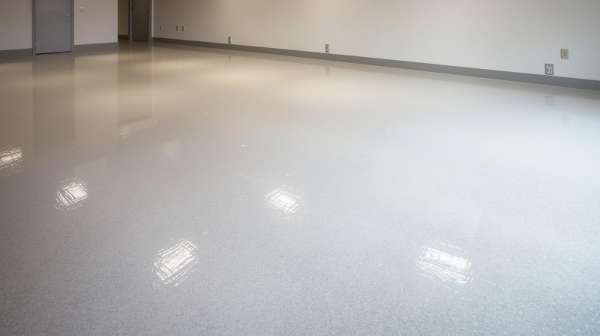
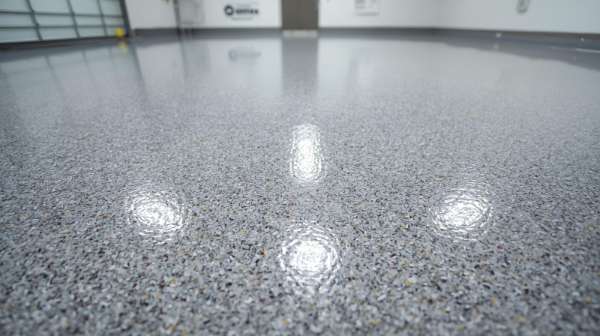
Listing photos matter more than ever in this market. A glossy, even floor simply photographs better than bare concrete. Stronger photos improve engagement and bring more people to showings. More showings often translate into more competitive offers.
There is also a quiet trust factor at work. A quality coating suggests the owner invested in the whole home. Buyers transfer that assumption to the roof, the systems, and the finishes. That confidence can shorten negotiations and firm up the price.
None of this requires a hard sell from the seller. The floor simply does quiet work in the background. It resolves doubts before a buyer can voice them. That subtle influence is why presentation pays off.
The Garage: Where Epoxy Flooring Adds the Most Resale Value
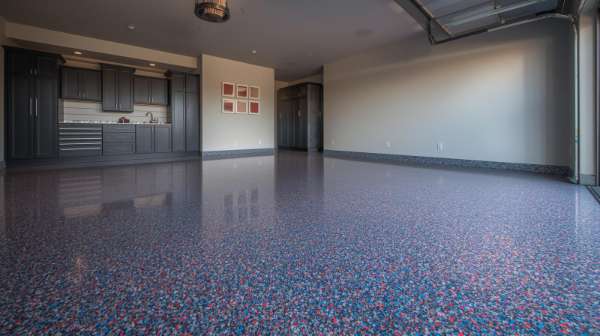
The garage is where epoxy delivers its strongest resale punch. Most garages start as plain, stained, dust-prone concrete. A professional coating turns that into a sleek, finished surface. The contrast during a showing is immediate and memorable to buyers.
What the Estimates Say About Garage Value
Real estate sources frequently cite the garage as a high-return space for epoxy. Some estimates place the perceived value lift in the range of 5 to 15 percent on the garage portion. Agents have reported homes selling several thousand dollars higher with an upgraded garage floor. These are estimates, though, and the real figure depends on the market.
Function, Durability, and Showroom Appeal
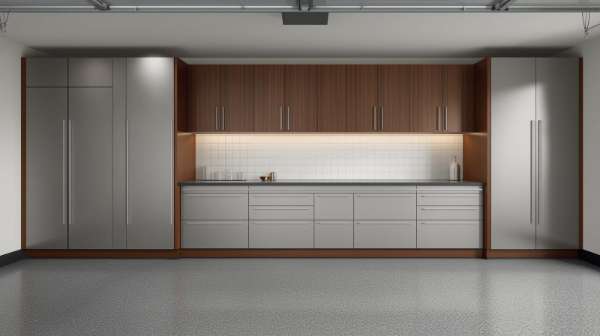
Part of the appeal is its functional flexibility. A coated garage works as parking, a workshop, a gym, or storage. Buyers perceive usable bonus space rather than a utility room. That perception broadens how they value the square footage.
Durability reassures buyers regarding future costs. A quality epoxy garage floor coatings finish resists oil, salt, and hot tires. It can last for many years with simple cleaning. A buyer interprets that as one less thing to replace.
The car-enthusiast buyer pursues this further still. A metallic or flake floor can give a garage a showroom feel. For the right buyer, that display quality is a genuine selling feature. It can also make a listing stand out in a crowded market.
Garage expectations have also shifted in recent years. Many buyers now picture the garage as flexible living space. A finished floor makes that vision feel achievable. It invites buyers to imagine their own use for the room.
Finished Basements and the Value of Bonus Living Space
Basements are the second space where epoxy moves the needle. A finished basement enlarges the usable footprint of a home. Flooring is central to whether that space feels complete. A coated or polished floor registers as a genuine living area.
Why a Dry, Finished Basement Floor Matters
Toronto basements face damp, below-grade conditions year-round. A waterproof epoxy floor manages that environment well. Buyers who have seen flooded or musty basements notice the difference. A dry, clean floor signals a space they can genuinely use.
The function of the basement shapes the value it adds. A coated floor suits a gym, a rec room, or a home office. Professional epoxy basement flooring gives those rooms a durable, modern base. That versatility appeals to a broad range of buyers.
Low Maintenance and Honest Expectations
Low maintenance is a strong selling point down there too. Epoxy wipes clean and resists moisture, stains, and dust. A buyer imagining family life values that simplicity. It diminishes the worry that often surrounds older basements.
A word of realism belongs here as well. A floor alone will not finish an unfinished basement. It works best as part of a tidy, dry, usable space. Paired with good moisture control, it helps the basement read as a real living area.
Resale aside, the everyday benefit is real for owners too. A durable basement floor simply lives better day to day. That lived-in quality tends to show during a viewing. Buyers sense a space that has worked well for a family.
Buyers with children or pets weigh durability heavily. A sealed floor wipes clean after spills and muddy boots. That practicality resonates in a busy household. It quietly widens the pool of interested buyers.
Curb Appeal from Sealed Driveways and Outdoor Concrete
Resale value starts before a buyer reaches the front door. The driveway and exterior concrete establish the first impression. Cracked, stained surfaces make a home look neglected. A refreshed surface accomplishes the opposite.
Driveways, Patios, and the First Impression
Decorative coatings and sealers can transform outdoor concrete. A clean, even driveway enhances the entire streetscape. Professional concrete driveway services handle cleaning, repair, and finishing together. The result reads as a well-maintained, cohesive property.
Patios and walkways add to that curb-appeal story. A coordinated outdoor surface feels intentional and finished. Buyers register that care before they even step inside. It sets a positive tone for the entire visit.
Toronto weather makes durable outdoor surfaces especially appealing. Buyers know how freeze-thaw and road salt punish concrete. A protected, attractive surface suggests lower upkeep ahead. That reassurance reinforces both interest and price.
Setting Honest Expectations on Curb Appeal
It is worth setting expectations honestly here too. Exterior coatings shine most as part of broader curb appeal. Landscaping, paint, and a clean entry all work together. The floor is one strong instrument in a larger first impression.
Sealing exterior concrete also slows visible ageing over time. That keeps the first impression strong through every season. A protected surface photographs well year-round. It supports curb appeal whenever the listing finally goes live.
Thinking about a pre-sale floor upgrade for a Toronto home? A quick assessment shows which spaces give the best payoff. Call 289-236-8371 or use the contact page for a free quote across Toronto and the GTA.
What the Epoxy Flooring ROI Numbers Actually Mean for Sellers
Online figures for epoxy ROI fluctuate widely, so context matters. Some sources cite returns of 60 to 80 percent on the coating cost. Others describe broader value lifts of 5 to 15 percent on a space. GLI Epoxy Flooring encourages homeowners to read these numbers with care.
How to Read the ROI Percentages
The honest reading is that most quotes mix two things. One is the share of the install cost recovered at sale. The other is the harder-to-measure boost in appeal and speed. Both are genuine, but only the first behaves like a clean percentage.
Epoxy also rarely competes with kitchens and bathrooms for raw ROI. Those rooms top most renovation-return rankings in Canada. Epoxy plays a different and complementary role. It upgrades the spaces those major projects usually ignore.
Faster Sales and Realistic Budgets
The clearest payoff is frequently time on market. A move-in-ready home tends to sell sooner. A faster sale carries fewer carrying costs and less stress. That benefit is easy to feel even when it is hard to price.
Cost ranges help set a realistic budget. Professional epoxy often runs a few dollars to over ten per square foot. A two-car garage commonly lands in the low thousands. Against that, even a modest sale-price effect can justify the work.
Homeowners should also weigh timing against motive. A floor installed purely for resale is one calculation. A floor enjoyed for years and then sold is another. The second case quietly improves the return on every level.
Budgets also stretch further when a floor serves double duty. The same coating that helps a sale improves daily living first. That dual benefit softens the cost of the upgrade. Few pre-sale projects offer that kind of overlap.
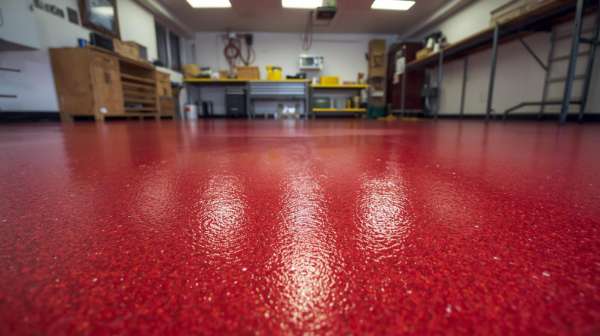
Why a Professional Install Protects Epoxy Flooring Resale Value
The quality of the install decides whether epoxy adds or subtracts. A flawless floor reads as an asset to a buyer. A peeling, patchy floor reads as a liability. The same material can do either job.
The Real Risk of DIY Epoxy Kits
This is where do-it-yourself kits create real risk. Thin big-box kits often bubble, peel, or wear unevenly. A failing floor communicates deferred maintenance to buyers. It can diminish confidence in the entire property.
How Professional Preparation Pays Off
Proper preparation is the foundation of a lasting result. Professional surface preparation grinds and cleans the slab first. That step lets the coating bond for the long term. It is the difference between a showpiece and a callback.
A professional install also brings a consistent, even finish. Uniform colour and a clean edge read as quality on sight. Buyers and agents recognize that level of detail. It supports the premium a seller hopes to capture.
Timing is a practical bonus before a listing. Many modern systems cure quickly enough to avoid delays. A floor can be ready well within a typical pre-sale window. That makes it a realistic upgrade even on a tight schedule.
Warranties and workmanship add another layer of reassurance. A professional result can come with documented quality. That paperwork answers buyer questions before they arise. It reinforces the sense of a home maintained with care.
A reputable installer will also assess the slab honestly. They flag moisture or cracks that need attention first. That candour prevents a floor that fails after listing. It is part of why professional work protects value.
Where Hardwood Flooring Still Holds the Edge Over Epoxy
A fair answer has to credit hardwood as well. In main living areas, wood remains the buyer favourite by a wide margin. Living rooms, bedrooms, and hallways feel warmer with wood. Epoxy is not trying to replace it there.
Wood Still Wins in Main Living Areas
Renovation-return studies tend to favour wood floors indoors. Removing dated carpet for hardwood is a classic value move. Buyers associate wood with warmth and timeless style. That association is hard for a coating to match in a bedroom.
The smart framing is one of right floor, right room. Hardwood leads in the living spaces above grade. Epoxy and polished concrete lead in garages, basements, and outdoor concrete. Each material prevails where it naturally belongs.
Right Floor, Right Room for Resale
This division actually strengthens the case for epoxy. It targets the precise spaces where wood performs poorly. Damp basements and working garages punish hardwood quickly. Epoxy turns those weak spots into selling features.
A balanced home uses both materials with intent. Warm wood upstairs and durable epoxy below grade is a strong pairing. Buyers sense that each space was finished thoughtfully. That overall coherence is what truly supports value.
Buyers increasingly value low-maintenance finishes as well. Busy households want surfaces that simply work. Epoxy meets that desire in the hardest-working rooms. Wood meets it in the spaces built for comfort and warmth.
How Epoxy Flooring Performs in Toronto’s Competitive Housing Market
Toronto’s market puts a premium on presentation and readiness. Inventory moves through many showings in a short window. Small advantages in appeal can influence the final price. A clean, finished floor is one of those advantages.
Move-In-Ready Appeal in a Fast Market
Move-in-ready homes hold particular appeal here. Many buyers stretch their budgets considerably just to purchase. They have little left for immediate projects after closing. A finished garage or basement alleviates that worry directly.
Context still matters for any upgrade decision. National guidance on which renovations return the most at resale consistently puts kitchens and bathrooms first. Which renovations return the most at resale is worth reviewing before any spend. Epoxy fits best as a targeted, affordable complement to those priorities.
A Smart Spending Strategy Before Selling
On the ground, GLI Epoxy Flooring sees the local pattern clearly. Buyers across the GTA reward homes that feel cared for. A professional floor in the right space supports that feeling. It is rarely the headline, but it strengthens the story.
The practical takeaway is one of strategy. Spend first where the biggest returns live. Then use epoxy to finish the spaces those projects skip. That balanced approach makes the most of a selling budget.
Every home and budget is different, of course. The right move depends on the property and the timeline. A short conversation with a local professional clarifies the priorities. That planning step protects both the budget and the return.
The Bottom Line on Epoxy Flooring and Home Resale Value
So does epoxy flooring add resale value to Toronto homes? Yes, when it is installed well and placed in the right spaces. Garages, basements, and outdoor concrete are where it shines. The payoff lands in appeal, durability, and a faster, smoother sale.
The numbers online are estimates, not promises, and they vary widely. The dependable benefits are stronger first impressions and move-in-ready appeal. A professional install is what turns those benefits into a real edge. A failed DIY floor does the opposite.
As a local specialist, GLI Epoxy Flooring helps Toronto homeowners choose and finish the right floor. For damp lower levels, the guide to epoxy flooring on a moisture-affected basement slab is a useful next read. The right floor, in the right space, helps a home stand out and sell.
A strong floor is one of the most affordable pre-sale upgrades available. The crew at GLI Epoxy Flooring coats garages, basements, and concrete across Toronto and the GTA. Call 289-236-8371 or visit the Contact Page for a free quote and honest advice before listing.
Frequently Asked Questions
1. Does epoxy flooring increase a home’s resale value?
Epoxy flooring can support a home’s resale value. Its impact, though, is more about appeal and condition than a large appraisal increase. A clean, professionally coated floor signals that a property is well maintained. That impression influences how buyers judge the entire home. Real estate professionals and industry sources report a consistent pattern. Homes with quality epoxy floors attract more interest and photograph better in listings. Many also sell faster and draw stronger offers. The effect is strongest in garages, basements, and on outdoor concrete. There, epoxy turns dull or stained surfaces into finished, usable spaces. It is important to keep expectations realistic. Epoxy rarely adds tens of thousands of dollars to a formal appraisal on its own. Instead, it works as an affordable upgrade that improves marketability and helps a home stand out. Actual results vary by neighbourhood, buyer preferences, and the quality of the installation. For a specific property, a local real estate agent or appraiser can give the most accurate guidance on likely value.
2. How much value does an epoxy garage floor add?
Estimates for the value an epoxy garage floor adds vary widely. They should be treated as general guidance rather than guarantees. Some industry sources suggest a perceived value increase of roughly 5 to 15 percent on the garage portion. Agents have also reported homes selling several thousand dollars higher after a garage floor upgrade. Return-on-investment figures are often cited in the range of 60 to 80 percent of the installation cost. The actual number depends on several factors. These include the local market, the size and condition of the garage, and the quality of the finish. A two-car garage coating commonly costs in the low thousands of dollars, which is modest compared with many renovations. The bigger driver is often how the floor changes buyer perception. It turns a plain utility space into a clean, functional area that feels like bonus square footage. In a competitive Toronto market, that improved impression and faster sale carry real weight. They can matter as much as any specific dollar figure attached to the floor.
3. Does epoxy flooring help a house sell faster?
Yes, epoxy flooring can help a house sell faster, and this is often one of its most practical benefits. A clean, finished floor improves how a garage, basement, or exterior space looks. That holds true both in person and in listing photos. Stronger photos tend to generate more online interest, which brings more potential buyers to showings. Once buyers arrive, a polished floor reinforces the impression of a well-maintained, move-in-ready home, which reduces hesitation. Many Toronto buyers have limited funds left for projects after purchase. For them, a space that looks finished and ready to use is genuinely appealing. That move-in-ready feeling can shorten the time a home spends on the market and encourage more competitive offers. A faster sale also lowers carrying costs and reduces stress for the seller. No single upgrade guarantees a quick sale. Even so, epoxy flooring adds to the overall sense of quality and readiness that helps homes move more quickly.
4. Is epoxy flooring a good return on investment before selling?
Epoxy flooring can be a sound return on investment before selling, particularly because it is affordable compared with major renovations. It will not usually top the return rankings that kitchens and bathrooms occupy, but it serves a different purpose. Epoxy upgrades the spaces that large renovations typically ignore, such as garages, basements, and driveways. It does so at a relatively low cost. The return shows up in two ways. The first is the share of the installation cost recovered in the sale price. That figure is often estimated in the 60 to 80 percent range. The second benefit, often larger, is improved appeal and a faster sale. That gain is harder to measure but very real. For sellers, the most strategic approach is to prioritize the highest-return projects first. Epoxy can then finish the remaining spaces affordably. As always, these are estimates, results vary, and this is general information rather than financial advice.
5. Can a DIY epoxy floor hurt resale value?
Yes, a poorly executed do-it-yourself epoxy floor can actually hurt resale value rather than help it. Inexpensive big-box kits are often thin and prone to bubbling, peeling, or wearing unevenly, especially without proper surface preparation. A floor that is visibly failing sends the opposite signal to buyers. It suggests deferred maintenance and raises doubts about the rest of the home. Buyers and agents tend to notice uneven colour, lifting edges, and patchy areas quickly. Repairing or removing a failed coating also adds cost and effort. That can offset any money saved on the original kit. By contrast, a professional floor reads as a genuine asset. It combines proper grinding, the right system, and a uniform finish. For a home being prepared for sale, quality and durability matter most. They count far more than the upfront savings of a kit. Investing in a clean, lasting professional finish is the safer way to protect and support resale value.
6. Which spaces benefit most from epoxy flooring for resale?
The spaces that benefit most are garages, basements, and outdoor concrete. That last group includes driveways and patios. Garages tend to show the strongest returns. Epoxy transforms a plain, stained slab into a clean, functional space that buyers view as flexible bonus area. Basements come next. A waterproof, low-maintenance floor helps a lower level read as genuine living space. That is valuable in Toronto’s damp climate. Driveways and patios contribute to curb appeal, shaping a buyer’s first impression before they even enter the home. These are also the spaces where other flooring options struggle. Hardwood and carpet perform poorly against moisture, traffic, and weather. Inside the main living areas, hardwood generally remains the buyer favourite. So epoxy is best focused on the utility and below-grade spaces. Used that way, epoxy complements a home’s other features. It finishes the areas that buyers most often see as unfinished or problematic.