A finished basement contributes valuable living space to a Toronto home. The flooring is where that project ultimately succeeds or fails. Choosing epoxy flooring vs hardwood in a Toronto basement comes down to one hard truth. Basements are below grade, and below grade introduces moisture.
GLI Epoxy Flooring installs durable epoxy basement flooring built for exactly those conditions. This breakdown compares both floors on moisture, cost, durability, comfort, and style. The goal is a clear, practical answer for a real Toronto basement.
Why Moisture Decides the Choice in Toronto Basements
Every flooring decision in a basement originates with water. Concrete slabs rest against damp soil throughout the year. The slab stays porous and releases vapour, even when it looks dry. Toronto contributes spring thaw, summer humidity, and the occasional flood.
That moisture represents the single biggest threat to a basement floor. It warps certain materials and breeds mould beneath others. A floor that disregards moisture deteriorates within a few seasons. Therefore the smartest choice is whichever option handles damp conditions best.
Hardwood in a Basement: Beauty With Real Risks
Hardwood is difficult to surpass for warmth and character. It delivers a timeless, natural appearance to any room. In the right space, it also supports resale value. Those advantages are genuine and worth respecting.
The complication is the basement environment itself. Wood is organic, so it absorbs and releases moisture continuously. Below grade, that produces swelling, cupping, gapping, and warping. Damp wood can also grow mould over time.
Solid hardwood is generally not advisable below grade at all. Engineered hardwood is more dimensionally stable and tolerates humidity better. Even so, it still needs a vapour barrier and a subfloor. Any standing water can still devastate the investment.
Epoxy in a Basement: Built for Below Grade
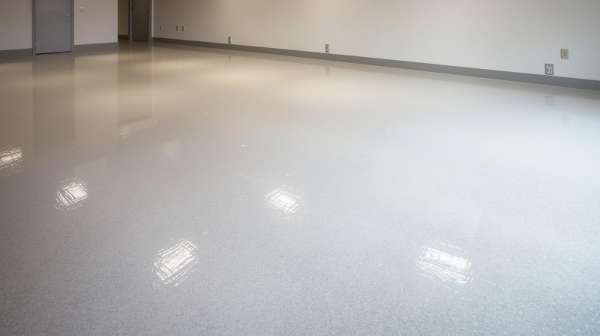
Epoxy adopts the opposite approach to moisture. It forms a continuous, non-porous layer bonded to the slab. Water remains on top instead of penetrating. That single characteristic resolves the basement’s core problem.
A sealed surface additionally resists mould, stains, and chemicals. It wipes clean and offers nowhere for dust or allergens to hide. GLI Epoxy Flooring builds these floors to last under daily use. The finish withstands foot traffic, dropped tools, and spills effortlessly.
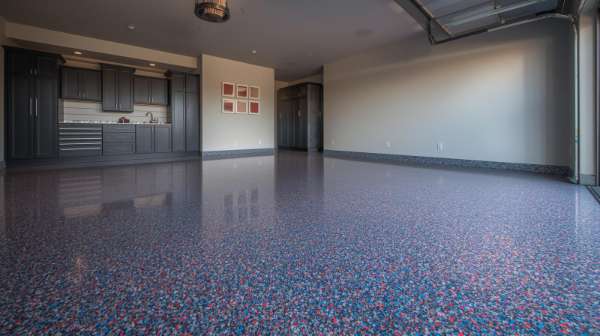
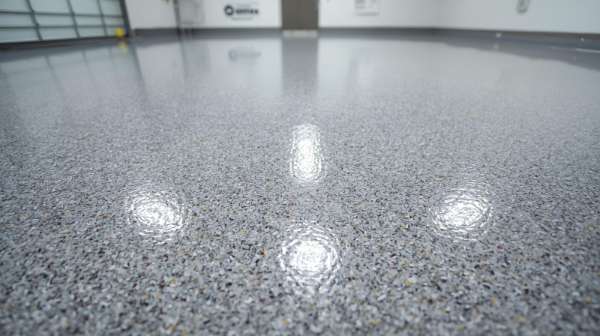
Design is another strong point. Options range from solid colours to decorative flake epoxy and metallic effects. A basement floor can appear polished rather than industrial. Few materials rival that combination of toughness and style.
Cost, Lifespan, and Maintenance Compared
Budget matters, but the complete picture matters considerably more. The table below compares the two floors on the practical points. Figures are approximate and depend on the space.
| Factor | Epoxy Coating | Hardwood (Engineered) |
|---|---|---|
| Moisture resistance | Excellent, waterproof and gap-free | Poor to fair, vulnerable below grade |
| Lifespan in a basement | About 10 to 20 years | Shorter where moisture is present |
| Installed cost (approx.) | Roughly $5 to $12 per sq ft | Roughly $8 to $15+ per sq ft |
| Maintenance | Wipe clean, very low | Regular care, occasional refinishing |
| Feel underfoot | Hard and cooler | Warm and softer |
| Customization | High (colours, flakes, metallic) | Moderate (wood species, stain) |
Hardwood often costs more once a subfloor and vapour barrier are added. It additionally demands ongoing care and the occasional refinishing. Epoxy costs less to maintain and performs admirably in damp conditions. For most basements, residential epoxy flooring is the better long-term value.
Costs are approximate, in Canadian dollars, and vary by system, size, and prep. A quote on the actual space is always the reliable number.
Not sure which floor suits a specific Toronto basement? A quick on-site assessment settles it fast. Call 289-236-8371 or use the contact page for a free quote across Toronto and the GTA.
Comfort and Style Underfoot
Beyond the numbers, a basement should feel comfortable to use. This is precisely where hardwood earns genuine points. Wood feels warm and cushioned beneath bare feet. It suits a cozy family room or a quiet study.
Epoxy feels considerably firmer and cooler by comparison. That suits a gym, a workshop, or a busy rec room. Area rugs and adequate heating eliminate much of the comfort gap. The trade-off buys durability and easy care in return.
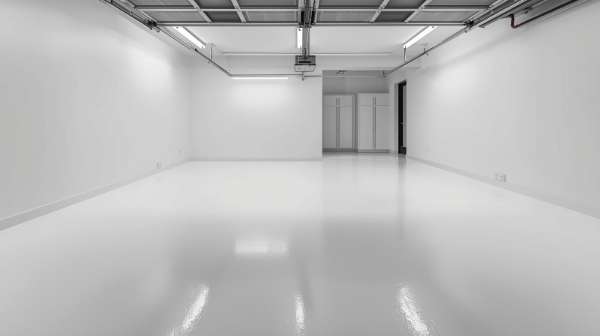
Installation in a Below-Grade Space
Installation differs substantially between these two floors. Hardwood below grade cannot simply sit on the slab. It needs a moisture barrier, then a subfloor, then the planks. Each additional layer increases both cost and total height.
Epoxy adheres directly to the existing concrete slab. The slab must first be ground, cleaned, and fully dried. Professional concrete surface preparation makes or breaks the result. GLI Epoxy Flooring grinds the surface so the coating bonds for good.
Curing then takes a few days before the floor sees use. The reward is a unified bonded system with no gaps. Done correctly, it stays put for many years.
Which Floor Fits Which Basement
The optimal floor depends on how the basement is used. A dry, well-sealed study can suit engineered wood. A damp or multi-use basement points firmly toward epoxy. An honest read of the moisture should lead the decision.
There is also a compelling middle path worth understanding. Polished concrete seals and finishes the slab with no added covering. Professional polished concrete gives a hard, clean look that shrugs off damp. It sits between a bare floor and a full epoxy system.
Moisture Control Comes First
No floor performs adequately over an active moisture problem. Seepage, cracks, and high humidity must be fixed first. A waterproof floor manages vapour, not a leaking foundation. That distinction conserves a considerable amount of money later.
Health authorities emphasize damp control to prevent mould indoors. Health Canada’s guidance on basement moisture and mould is worth a read. Once the source is handled, the right floor keeps the space dry and healthy. Epoxy then secures that protection at the slab.
Common Basement Moisture Warning Signs Every Toronto Homeowner Should Know
Basement moisture problems often start long before visible damage appears. Small amounts of water vapour can gradually affect flooring, walls, and indoor air quality. Identifying these warning signs early helps homeowners address the source of moisture before it leads to mould growth, flooring failure, structural deterioration, or expensive restoration work.
Musty Odours
A persistent musty smell is one of the earliest signs of excess moisture in a basement. Even when no water is visible, damp conditions can allow mould and mildew to develop behind walls, beneath flooring, or in hidden corners. If the odour returns after cleaning or ventilation, it often indicates an underlying moisture issue that should be investigated before installing new flooring.
Efflorescence on Concrete
Efflorescence appears as a white, powdery substance on concrete surfaces. It occurs when water moves through concrete and leaves mineral deposits behind as it evaporates. While it may seem harmless, efflorescence is a clear indication that moisture is travelling through the slab or foundation. Flooring should not be installed until the source of moisture has been properly addressed.
Visible Water Stains
Water stains on basement floors, walls, or baseboards often indicate previous or ongoing moisture intrusion. These stains may result from foundation seepage, condensation, plumbing leaks, or seasonal groundwater pressure. Ignoring them can lead to further damage over time. Investigating and resolving the source before selecting flooring helps ensure a longer-lasting installation.
Where Epoxy Flooring Performs Best in Residential Basement Environments
Epoxy flooring offers a combination of durability, moisture resistance, and design flexibility that makes it suitable for many basement applications. Unlike traditional flooring materials, it bonds directly to the concrete slab and creates a seamless protective surface. This allows homeowners to transform underused basements into practical, attractive, and easy-to-maintain living spaces.
Home Gyms
Basement home gyms place significant demands on flooring due to heavy equipment, dropped weights, and constant foot traffic. Epoxy flooring provides a durable surface that resists scratches, dents, and stains while remaining easy to clean. Its seamless finish also prevents dust accumulation, making it a practical choice for homeowners who want a low-maintenance workout environment.
Recreation Rooms
Many homeowners convert basements into entertainment spaces for family gatherings, games, or movie nights. Epoxy flooring offers a modern appearance while standing up to spills, furniture movement, and daily use. Decorative flake and metallic finishes can create a customized look that complements the room’s design while maintaining the durability needed for busy recreational areas.
Workshops and Hobby Areas
Workshops and hobby rooms often involve tools, paints, chemicals, and heavy equipment that can damage traditional flooring materials. Epoxy flooring resists stains, impacts, and chemical spills while providing a smooth, easy-to-clean surface. This durability makes it ideal for creative spaces where projects are completed regularly and flooring protection is an important consideration.
Essential Questions to Ask Before Installing New Basement Flooring
Choosing basement flooring involves more than comparing appearances and prices. The right decision depends on moisture conditions, intended use, maintenance expectations, and long-term goals. Asking these key questions before starting a project helps homeowners avoid costly mistakes and select a flooring solution that performs well in a below-grade environment.
How Much Moisture Is Present?
Moisture should always be evaluated before choosing any basement flooring material. Even basements that appear dry can release water vapour through the concrete slab. Understanding current moisture levels helps determine whether additional waterproofing measures are needed and which flooring products are best suited to the conditions.
How Will Space Be Used?
The way a basement is used has a major impact on flooring requirements. A home office, family room, workshop, gym, or storage area each presents different demands. Considering expected traffic levels, furniture, equipment, and activities helps homeowners select a flooring option that matches both functional and aesthetic goals.
What Maintenance Is Acceptable?
Some flooring materials require ongoing maintenance, refinishing, or special cleaning products to maintain their appearance. Others offer long-term durability with minimal upkeep. Understanding how much maintenance you are willing to perform can narrow the available options and help ensure satisfaction with the flooring investment over time.
What Factors Influence Basement Flooring Costs and Long-Term Value
The cost of basement flooring varies depending on several important factors. While material selection plays a major role, preparation requirements, project size, and installation complexity also influence the final price. Understanding these variables helps homeowners compare options accurately and choose a flooring solution that balances performance, appearance, and long-term value.
Basement Size
The overall size of the basement directly affects material quantities, labour requirements, and installation time. Larger spaces generally increase total project costs because more product and preparation work are needed. However, larger projects may also benefit from economies of scale that reduce the cost per square foot compared to smaller installations.
Surface Preparation Requirements
Proper preparation is one of the most important parts of any flooring installation. Cracks, uneven surfaces, moisture issues, and old coatings often require additional work before flooring can be installed. Grinding, repairs, and moisture mitigation systems add to the upfront cost but help ensure the finished floor performs properly for many years.
Material and Finish Selection
Different flooring materials and decorative finishes come with varying price points. Basic systems typically cost less than premium products featuring custom colours, metallic effects, or decorative flakes. Homeowners should consider both appearance and performance when selecting finishes, as higher-quality systems often provide greater durability and longer service life.
Conclusion
The honest answer depends on the basement, not on marketing. Hardwood prevails on warmth and classic appearance in dry rooms. Epoxy wins on moisture resistance, durability, and easy care below grade. For most Toronto basements, that makes epoxy the practical choice.
As a local specialist, GLI Epoxy Flooring helps homeowners weigh both options without pressure. The team installs epoxy flooring in Toronto suited to each space and budget. The right floor transforms a damp basement into a room the whole home enjoys.
A basement floor is a long-term decision worth getting right. The crew at GLI Epoxy Flooring prepares, coats, and finishes basement floors across Toronto and the GTA. Call 289-236-8371 or visit the Contact Page for a free quote and honest advice.
Frequently Asked Questions
1. Is hardwood a good idea for a Toronto basement?
Hardwood can work in a basement, but it carries real risks that homeowners should weigh carefully. The core issue is moisture. Basements sit below grade against damp soil, and the concrete slab releases water vapour even when it looks dry. Wood is an organic material that absorbs and releases that moisture. As a result, it tends to swell, cup, gap, and warp in damp conditions. It can also develop mould over time. Solid hardwood is generally not recommended for below-grade installations for these reasons. Engineered hardwood is more dimensionally stable and tolerates humidity better, which makes it the safer wood option for a basement. Even then, it requires a proper vapour barrier and a subfloor over the slab. It also remains vulnerable to any standing water or flooding. For a dry, well-sealed Toronto basement used as a quiet living space, engineered wood can look beautiful. For a damp or multi-use basement, a waterproof floor such as epoxy is usually the more dependable choice.
2. Why is epoxy flooring well suited to basements?
Epoxy flooring suits basements because it directly solves the biggest below-grade challenge, which is moisture. Epoxy cures into a continuous, non-porous layer bonded tightly to the concrete slab. Water and humidity sit on the surface rather than soaking in. As a result, there is no swelling, warping, or buckling like wood or laminate suffer. That same sealed surface resists mould growth, since mould needs damp, porous material to take hold. Epoxy also stands up to heavy use, dropped tools, stains, and chemical spills, and it cleans with a simple wipe. Because the finish is unbroken, dust and allergens have nowhere to collect. That can improve the air in a finished basement. A professionally installed epoxy floor typically lasts around ten to twenty years. Epoxy also offers a wide range of looks. These run from solid colours to decorative flakes and metallic finishes. That blend of waterproof performance, durability, and design flexibility explains its appeal. Epoxy is a popular basement choice across Toronto and the GTA.
3. Is epoxy flooring cold and hard underfoot in a basement?
Yes, epoxy does feel firmer and cooler underfoot than wood or carpet. That is a fair trade-off to understand before choosing it. Epoxy is a thin, hard coating bonded to a concrete slab. It carries the temperature of that slab, which tends to be cool in a basement. It also lacks the natural give of wood or the cushioning of carpet. For some spaces, that hard, cool surface is actually ideal. Examples include a home gym, a workshop, or a high-traffic rec room. For a cozy family room, the feel can be softened easily. Area rugs add warmth and comfort underfoot exactly where people sit and relax. Proper basement heating and insulation also make a noticeable difference to surface temperature. Many homeowners pair epoxy with these touches and enjoy the durability without the chill. So epoxy is harder and cooler than hardwood. Even so, simple additions close most of the comfort gap while keeping the waterproof, low-maintenance benefits intact.
4. How much does epoxy basement flooring cost in Toronto?
The cost of epoxy basement flooring in Toronto depends on several factors. These include the space size, the concrete condition, the epoxy system chosen, and the preparation required. As a general guide, professional epoxy basement floors often run roughly five to twelve Canadian dollars per square foot installed. A simple solid-colour coating on sound concrete sits at the lower end. Decorative flake or metallic systems, or floors that need significant grinding and crack repair, cost more. It is wise to compare the full picture rather than the sticker price alone. Hardwood may look comparable up front. However, adding a subfloor and vapour barrier, plus ongoing maintenance, often pushes its true cost higher in a basement. Epoxy also performs well in damp conditions and needs very little upkeep, which improves its long-term value. Every basement is different. The most reliable approach is a free, itemized quote based on the actual floor and its condition.
5. Can hardwood be installed over a concrete basement floor?
Hardwood can be installed over a concrete basement slab, but not directly on the concrete. Solid hardwood is generally not recommended below grade at all. Concrete is porous and transmits moisture vapour from the soil beneath, which would damage wood placed straight onto it. A proper below-grade installation requires a moisture or vapour barrier over the slab. A subfloor goes down next, and only then the wood flooring itself. Engineered hardwood is the preferred wood product for this setting, because its layered construction resists movement better than solid planks. These extra layers add cost and raise the finished floor height, which can matter in basements with low ceilings. Even with careful preparation, the floor stays vulnerable to leaks, flooding, and high humidity. This is the main reason many Toronto homeowners choose a waterproof option such as epoxy or polished concrete. Each bonds directly to the prepared slab. That removes the moisture risk that makes wood a gamble below grade.
6. What is the most moisture-resistant basement flooring?
Among common basement flooring options, jointless coatings such as epoxy rank among the most moisture-resistant choices available. Epoxy bonds to the concrete and forms a continuous, non-porous surface with no seams or gaps for water to penetrate. This makes it highly effective against the vapour and humidity that define a below-grade space. Polished concrete is another strong, moisture-tolerant option. It densifies and seals the existing slab rather than covering it with an absorbent material. Luxury vinyl plank is marketed as waterproof and performs reasonably well. In some cases, though, water can still become trapped beneath it. By contrast, hardwood, laminate, and carpet all struggle with basement moisture. Each can absorb water, warp, or grow mould over time. No flooring, however, can compensate for an unresolved water problem. The most reliable approach is to control the moisture source first, then install a waterproof floor such as epoxy. That combination keeps a Toronto basement dry, healthy, and durable for the long term.