Public spaces carry unique responsibilities when it comes to flooring safety. Every day, dozens or even hundreds of people walk through community centers, municipal buildings, schools, and commercial facilities, each interaction with the floor surface presenting a potential safety concern. Property managers in Clairville understand that slip and fall incidents create serious liability issues alongside the human cost of injuries. GLI Epoxy Flooring works with public facility operators to transform ordinary concrete floors into safety-enhanced surfaces that actively reduce accident risks. When properly specified and installed, Epoxy Floor Coating in Clairville, Etobicoke, ON addresses traction concerns while maintaining the durability and ease of maintenance that public spaces require.
The relationship between flooring and safety extends beyond simply preventing slips. GLI Epoxy Flooring explains that comprehensive safety flooring systems incorporate visual cues, consistent traction across the entire surface, resistance to wear that might create hazards, and performance characteristics that remain stable across varying conditions. Public spaces experience moisture from tracked-in rain and snow, temperature fluctuations from doors opening and closing, and contamination from dirt and debris that affects surface friction. Standard concrete or basic floor coatings often fail to address these variables, creating conditions where accident risk increases during certain weather patterns or times of day. Advanced epoxy systems engineered for safety provide consistent performance regardless of external conditions.
Understanding Slip and Fall Risks in Public Environments
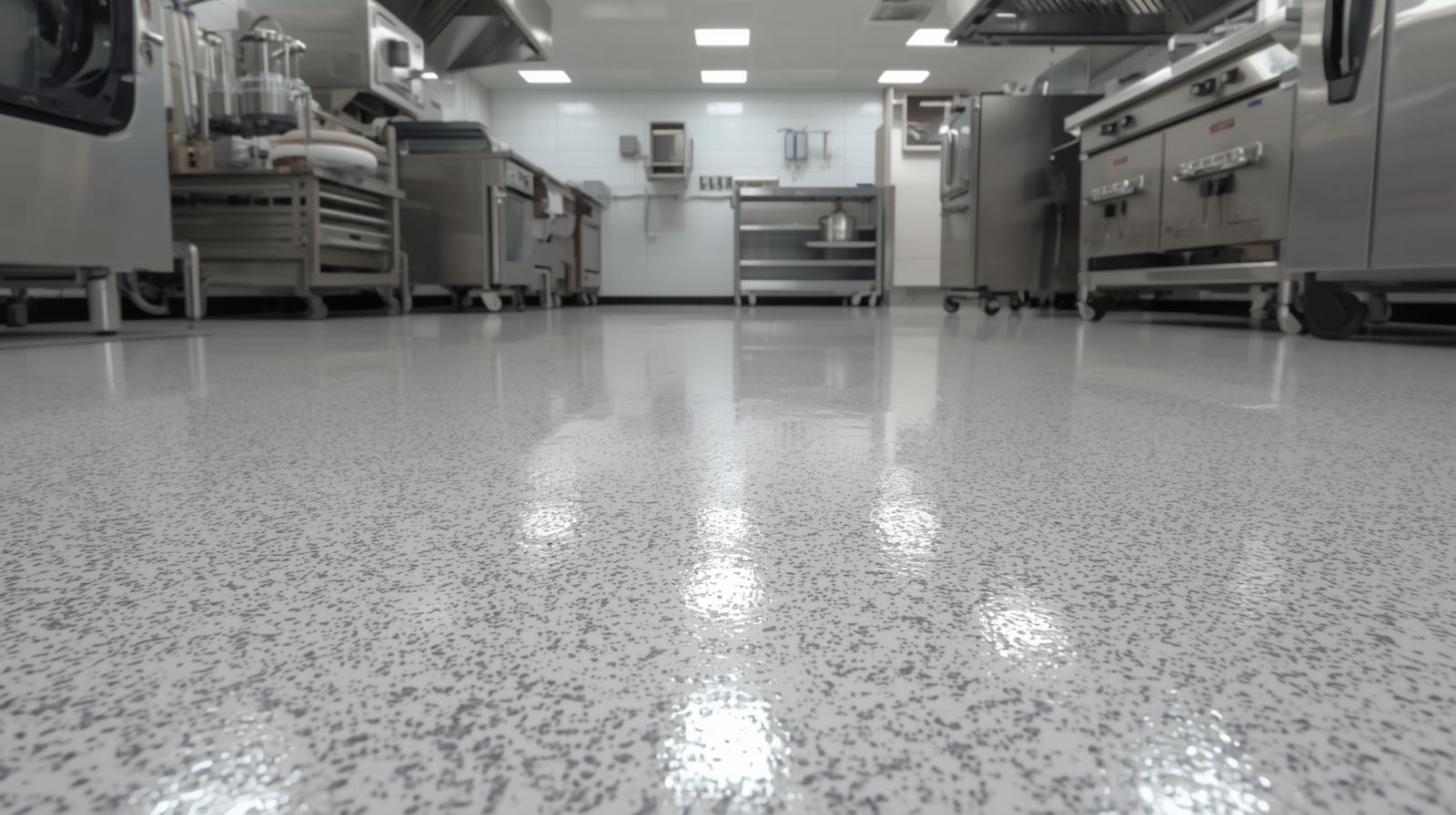
Before exploring solutions, you need to understand what creates slip and fall hazards in the first place. Public spaces face challenges that don’t exist in controlled environments, making proactive safety measures essential rather than optional.
Common Hazards That Lead to Accidents
Smooth surfaces become dangerously slippery when wet, a situation that occurs frequently near entrances during inclement weather. Uneven wear patterns create trip hazards as some areas of flooring deteriorate faster than others under concentrated traffic. Transitions between different flooring materials present height differences that catch feet and mobility aids. Poor lighting combines with low-contrast flooring to obscure obstacles and surface changes. Contaminants like spilled liquids, tracked-in snow, or cleaning solution residue temporarily reduce friction beyond safe levels. Each of these factors contributes to the thousands of slip and fall incidents that occur annually in public facilities.
The Cost of Inadequate Floor Safety Measures
Beyond the immediate human suffering from injuries, slip and fall accidents create substantial financial burdens. Legal liability, insurance claims, and potential litigation costs can reach hundreds of thousands of dollars for serious incidents. Worker’s compensation expenses increase when employees get injured. Public perception suffers when facilities gain reputations as unsafe. Regulatory compliance issues may arise if safety standards aren’t met. These costs far exceed the investment required to install proper safety flooring systems from the outset, making proactive safety measures a financially sound decision alongside being the ethically correct choice.
How Epoxy Coating Technology Enhances Traction
Epoxy systems offer multiple mechanisms for improving slip resistance, with options available to match different safety requirements and environmental conditions. Understanding these technologies helps facility managers select appropriate solutions for their specific spaces.
The Science of Slip Resistance Ratings
The Epoxy Flooring Clairville, ON installations for public spaces utilize coatings rated by standardized slip resistance measurements. The most common rating system uses the coefficient of friction, with higher numbers indicating greater traction. Wet and dry COF values both matter because many public spaces experience moisture. Level surfaces typically require COF values of 0.60 or higher for ADA compliance, while ramps need even higher ratings. GLI Epoxy Flooring tests and documents slip resistance values to ensure installations meet or exceed required safety standards for their intended applications.
Textured Additives and Aggregate Options
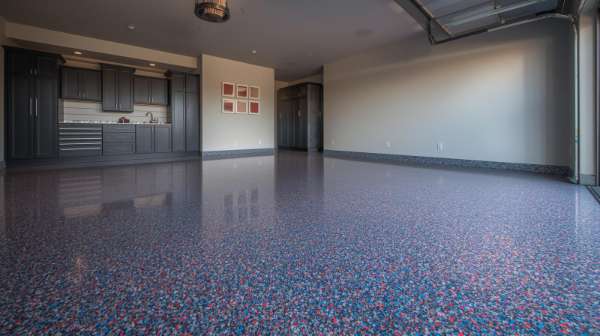
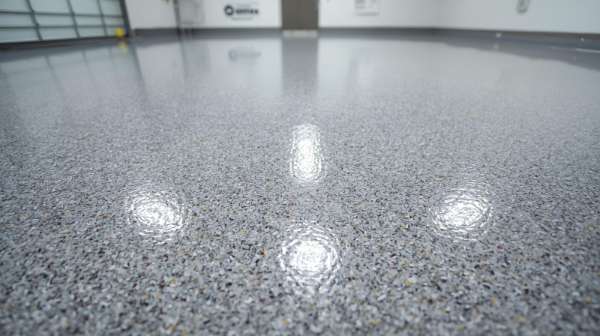
Multiple approaches exist for building traction into epoxy surfaces. Fine aluminum oxide or silicon carbide particles can be broadcast into the topcoat, creating microscopic texture that enhances grip without producing a rough feel. Larger aggregates like decorative quartz chips provide more aggressive texture for areas with significant moisture exposure. Purpose-made slip-resistant additives suspend within the coating itself, distributing traction uniformly across the entire surface. The Epoxy & Flake Floor Installation Clairville, ON method combines decorative flake materials with clear topcoats containing anti-slip additives, creating attractive floors that maintain excellent traction. Selection depends on the specific space, expected moisture exposure, and required traction levels.
Customizing Slip Resistance for Different Public Spaces
Not all public spaces need identical safety features. Tailoring the flooring system to match specific use patterns and risk profiles creates optimal outcomes without over-engineering solutions where they aren’t needed.
High-Traffic Areas Requiring Maximum Traction
Entrances and vestibules see the highest moisture exposure as people track in weather from outside. These zones benefit from aggressive texture and maximum slip resistance ratings. Corridors and hallways handle constant foot traffic but less moisture, allowing moderate texture that balances safety with comfort for extended walking. Stairs and ramps present elevated fall risks due to their geometry, demanding high slip resistance even in dry conditions. Multi-purpose rooms might need different traction depending on their use, with considerations for activities ranging from seated events to physical education.
Wet Environment Considerations
Public restrooms, locker rooms, and pool facilities require specialized attention because standing water and wet feet create extreme slip hazards. The Concrete Floor Installation in Clairville, Etobicoke, ON for these spaces incorporates maximum texture through coarse aggregate broadcasting or deeply profiled epoxy systems. Proper drainage slope becomes critical so water doesn’t pond on the surface. Some facilities benefit from grated floor systems in the wettest areas with epoxy coating on the surrounding spaces, creating a comprehensive moisture management and safety solution.
Visual Safety Features Through Epoxy Design
Slip resistance represents just one aspect of flooring safety. Visual information communicates hazards, guides traffic flow, and helps people navigate spaces safely through color and contrast.
Color Coding for Hazard Identification
Bright yellow epoxy commonly marks step edges, platform boundaries, and hazardous zones, providing instant visual warning even from a distance. Contrasting colors delineate walking paths from vehicle areas in facilities with mixed traffic. Directional striping guides people through spaces during emergencies when panic might cause disorientation. GLI Epoxy Flooring works with facility managers to develop color schemes that communicate safety information effectively while maintaining attractive aesthetics. The durability of epoxy ensures these visual cues remain vibrant and clear for years without the fading common to painted markings.
Reflective Properties and Visibility Enhancement
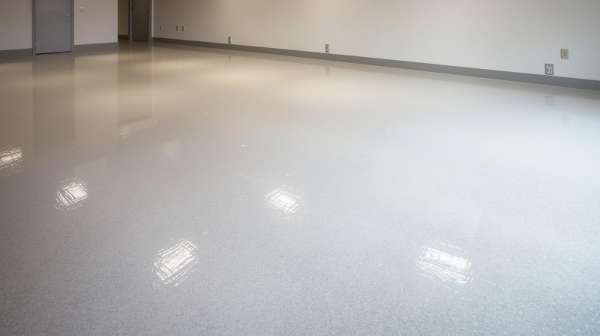
Glossy epoxy surfaces reflect available light, improving overall visibility in spaces where lighting might be limited. This reflection helps people spot obstacles, see surface changes, and navigate more safely. Strategic placement of lighter colored epoxy in darker areas brightens these spaces without additional electrical lighting. The Epoxy Floor Coating Installation Clairville, ON can incorporate reflective elements or photoluminescent materials that glow in darkness, providing emergency egress guidance if power fails. These passive safety features require no energy consumption while continuously improving navigational safety.
Durability and Long-Term Safety Performance
Safety features only work if they remain intact throughout the flooring’s service life. Epoxy’s exceptional durability ensures that traction, visual cues, and structural integrity persist despite heavy use.
Resistance to Wear Patterns That Create Hazards
High-traffic paths often wear differently than surrounding areas, creating subtle height differences that become trip hazards. Epoxy’s abrasion resistance prevents this differential wear, maintaining a uniform level surface across the entire floor. The coating resists gouging from dropped objects or equipment impacts that would chip concrete or other flooring materials. Chemical resistance prevents degradation from cleaning agents, ensuring the floor maintains its properties despite repeated exposure to various substances. This durability means safety features remain effective year after year rather than degrading to the point of requiring replacement after just a few seasons of use.
Maintenance Practices That Preserve Safety Features
Even the best safety flooring requires appropriate maintenance to keep performing as designed. Understanding proper care helps facility operators maximize their flooring investment.
Cleaning Methods for Textured Surfaces
Textured epoxy surfaces need regular cleaning to prevent dirt accumulation in the texture profile, which could reduce traction over time. Automatic scrubbers with appropriate brush types work well for large public spaces, removing debris from textured surfaces effectively. Periodic deep cleaning with hot water extraction or steam cleaning rejuvenates the texture and removes embedded contaminants. GLI Epoxy Flooring recommends pH-neutral cleaning solutions that remove soils without degrading the epoxy topcoat. Avoiding excessive wax or coating buildup keeps the original texture profile functional rather than filling it in with maintenance products that reduce the designed slip resistance.
Compliance with Safety Standards and Regulations
Public facilities must meet various safety codes and accessibility standards. Properly specified epoxy flooring systems help facilities maintain compliance while providing superior performance compared to minimum-standard solutions. ADA guidelines specify slip resistance requirements for accessible routes and other spaces. Building codes address fire resistance, indoor air quality, and other safety factors. Industry-specific regulations may apply in schools, healthcare facilities, or food service environments. Documentation of slip resistance testing, material safety data, and installation methods demonstrates compliance with applicable standards. Working with experienced installers ensures the final flooring system meets all relevant requirements without creating compliance gaps that could result in citations or liability exposure.
Conclusion
Improving safety in public spaces around Clairville requires thoughtful flooring solutions that address multiple risk factors simultaneously. Epoxy flooring systems deliver enhanced slip resistance through textured additives and specialized formulations designed for wet and dry traction. Visual safety features built into the coating design guide traffic and communicate hazards effectively. The exceptional durability ensures safety features remain intact despite heavy use and challenging conditions. When combined with proper maintenance practices and compliance with safety standards, epoxy flooring transforms public spaces into safer environments that protect visitors and staff while reducing liability exposure for facility operators. The investment in quality safety flooring pays dividends through reduced accidents, lower insurance costs, and peace of mind.
FAQs
How much slip resistance can be added to epoxy flooring without making it uncomfortable to walk on?
Modern slip-resistant additives create excellent traction while remaining comfortable for normal walking and standing. Fine particles provide significant safety improvement with minimal texture, while coarser aggregates for wet areas create more noticeable texture that remains tolerable for the specific applications requiring this level of traction.
Does textured epoxy flooring require more maintenance than smooth surfaces?
Textured epoxy requires slightly more attention during cleaning to remove debris from the texture profile, but this is easily managed with appropriate equipment. The texture doesn’t significantly increase maintenance burden, and the safety benefits far outweigh the modest additional cleaning effort required.
Can slip resistance be added to existing smooth epoxy floors?
Yes, specialized topcoats containing slip-resistant additives can be applied over existing smooth epoxy to improve traction. This approach rejuvenates older floors while adding safety features without complete removal and replacement of the existing coating system.
How long does the slip resistance last in high-traffic public areas?
Quality epoxy systems with properly selected slip-resistant additives maintain their traction properties for the life of the coating, typically 10 to 20 years in public spaces. The additives are integrated throughout the topcoat thickness rather than just on the surface, ensuring traction persists even as minimal wear occurs.
Are there color limitations when adding slip resistance to epoxy flooring?
Slip-resistant additives work with virtually any epoxy color, allowing full design flexibility. The additives themselves are typically clear or closely color-matched to avoid altering the intended appearance, so safety features don’t compromise aesthetic goals for the space.