Choosing the right flooring system for your property involves more than picking a color you like. The type of epoxy you select fundamentally changes how your space looks, performs, and serves your needs over time. Property owners in Thistletown face unique considerations when selecting flooring, from the climate conditions that affect durability to the aesthetic expectations for different types of spaces. GLI Epoxy Flooring helps clients understand these distinctions so they can make informed decisions that align with both practical requirements and design goals. When exploring Epoxy Floor Coating in Thistletown, Etobicoke, ON, you’ll discover that solid, metallic, and quartz systems each bring distinct advantages to residential and commercial environments.
The three main categories of epoxy flooring differ significantly in composition, appearance, and performance characteristics. GLI Epoxy Flooring has installed all three types across Thistletown properties, and each system creates a different experience in the finished space. Solid epoxy offers straightforward durability with clean aesthetics. Metallic systems transform floors into artistic statements with dimensional visual effects. Quartz epoxy combines decorative elements with enhanced slip resistance and structural strength. Understanding what sets these systems apart helps you identify which option best matches your specific space and usage requirements.
Understanding the Three Main Epoxy Flooring Categories
Before diving into specifics, it’s helpful to grasp what fundamentally distinguishes these three epoxy types. While all epoxy systems share the basic chemistry of resin and hardener creating a thermoset plastic, the additives and application techniques create dramatically different end results.
What Defines Each Epoxy Type
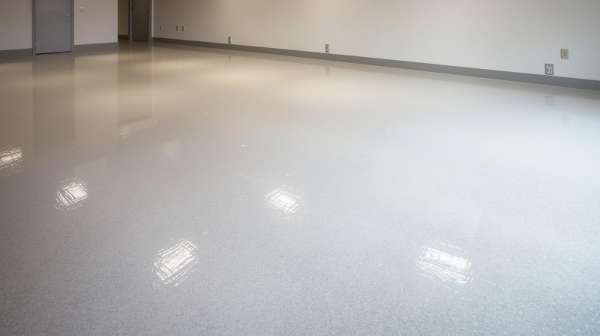
Solid epoxy consists of the base resin system with pigments added for color. The result is a uniform, opaque coating that covers the substrate completely. Metallic epoxy incorporates special metallic pigments that create movement and depth through the coating as it cures, producing three-dimensional visual effects. Quartz epoxy systems blend colored quartz granules into the epoxy matrix, creating a textured surface with enhanced durability and slip resistance. These fundamental differences in composition lead to distinct performance profiles and visual characteristics.
Solid Epoxy Flooring: Classic Durability Meets Simplicity
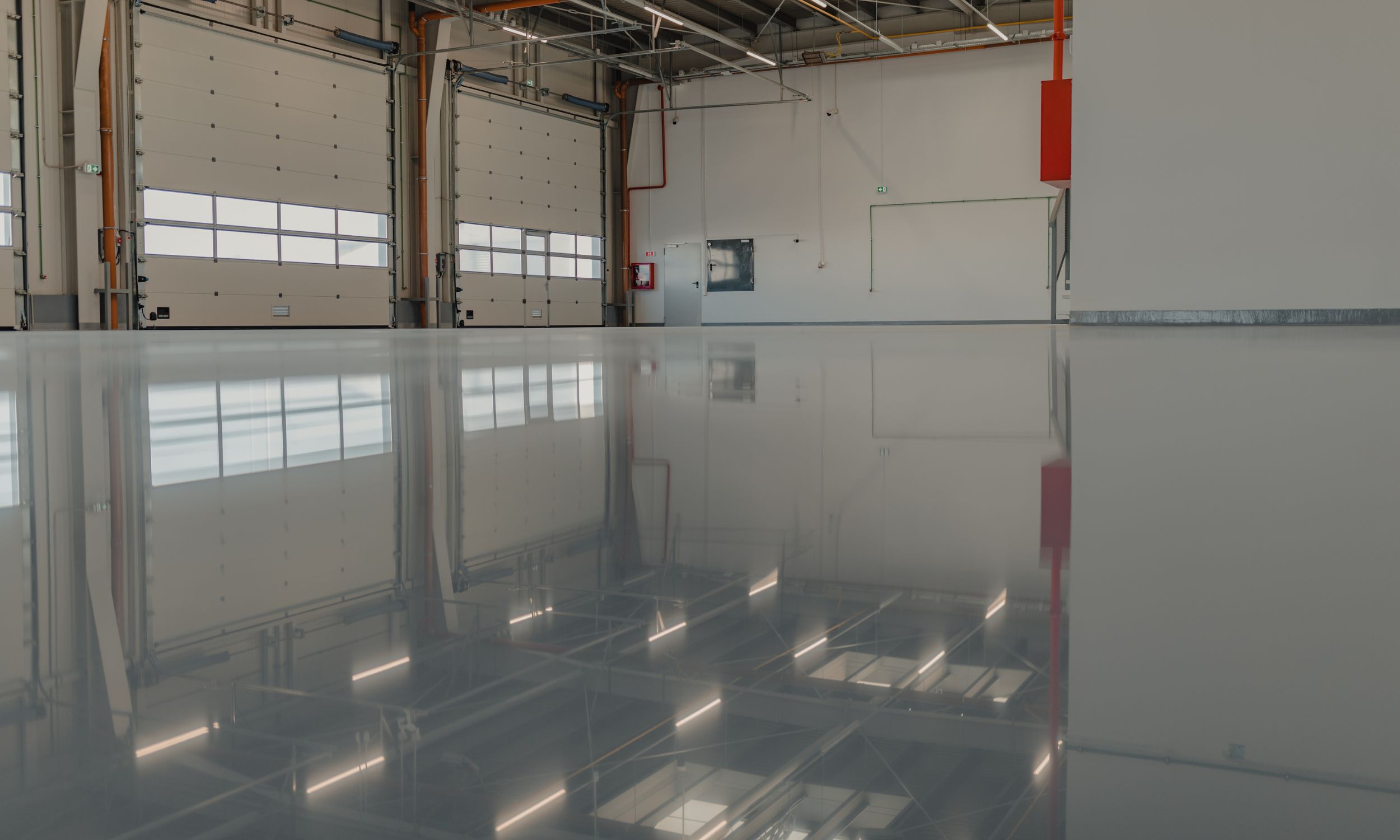
Solid epoxy represents the most straightforward approach to epoxy flooring. This system delivers excellent protection and a clean, professional appearance without additional decorative elements. Many commercial spaces prefer solid epoxy because it creates a uniform look that doesn’t compete with merchandise, equipment, or other design elements in the space.
Performance Characteristics of Solid Systems
The Epoxy Flooring Systems Thistletown, Etobicoke, ON approach with solid epoxy focuses on creating a hard, chemical-resistant surface that withstands daily wear. These coatings typically achieve a thickness of 10 to 20 mils, depending on the number of coats applied. The smooth, non-porous surface resists staining from oils, chemicals, and other substances that would permanently mark concrete. Solid epoxy handles foot traffic, wheeled equipment, and light to moderate impact without showing premature wear patterns. The glossy finish reflects light effectively, improving visibility and reducing lighting requirements in enclosed spaces.
Best Applications for Solid Epoxy in Thistletown Properties
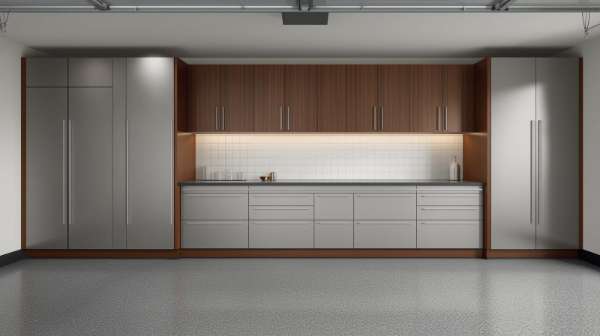
Solid systems work exceptionally well in garages, workshops, and commercial spaces where function takes priority over decorative appeal. Warehouses, manufacturing facilities, and automotive shops benefit from the chemical resistance and easy cleaning that solid epoxy provides. In residential settings, homeowners who prefer minimalist aesthetics appreciate the clean, uniform appearance. The system also serves as an excellent base for spaces where you might add floor markings, safety lines, or other organizational elements. Because solid epoxy comes in virtually any color, you can match corporate branding or create color-coded zones within larger facilities.
Metallic Epoxy Flooring: Artistic Expression on Functional Surfaces
Metallic epoxy takes flooring into the realm of artistic expression. These systems create visual effects that captivate attention and make floors a focal point of interior design. No two metallic floors look identical because the pigments move and interact during application, creating unique patterns in each installation.
The Science Behind Metallic Effects
GLI Epoxy Flooring explains that metallic epoxy contains special metallic pigments that remain suspended in the coating as it cures. These pigments interact with the epoxy’s natural movement during the curing process, creating swirls, veins, and dimensional effects that mimic natural stone, molten metal, or abstract art. Installers can influence the patterns through application techniques, but the final result always contains an element of organic randomness. The Epoxy Flooring Thistletown ON installations using metallic systems often incorporate multiple metallic colors that blend and interact, creating depth and visual interest that changes depending on viewing angle and lighting conditions.
Where Metallic Epoxy Makes the Biggest Impact
Metallic systems shine in spaces where aesthetics matter as much as performance. Retail showrooms use metallic epoxy to create memorable customer experiences. Restaurant dining areas, hotel lobbies, and upscale residential spaces benefit from the distinctive look. Basements transformed into entertainment areas become conversation starters when finished with metallic epoxy. The reflective properties of metallic systems also make smaller spaces feel more open and expansive. While these floors cost more than solid systems, the visual impact often justifies the investment in spaces where first impressions matter.
Quartz Epoxy Flooring: Maximum Strength and Texture
Quartz epoxy systems represent the heavy-duty option in the epoxy family. By incorporating colored quartz granules into the epoxy matrix, these systems achieve superior durability and unique functional benefits that make them ideal for demanding environments.
Composition and Structural Benefits
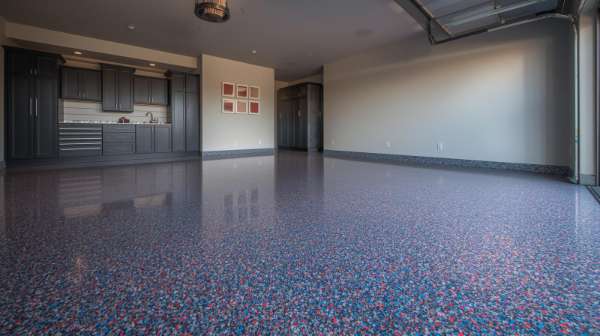
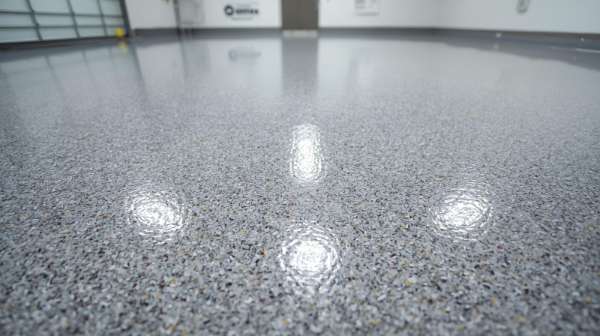
The Epoxy & Flake Floor Installation Thistletown, ON process with quartz systems involves broadcasting colored quartz particles into a base coat of epoxy, then sealing everything with clear topcoats. The quartz particles create a textured surface that significantly increases slip resistance compared to smooth epoxy systems. This texture also distributes impact forces across a broader area, making the floor more resistant to damage from dropped objects or heavy equipment. The thickness of quartz systems typically exceeds other epoxy types, with finished floors often reaching 1/4 inch or more in total thickness. This substantial build provides exceptional protection for the concrete substrate underneath.
Ideal Environments for Quartz Systems
GLI Epoxy Flooring recommends quartz systems for environments where safety, durability, and hygiene intersect. Commercial kitchens benefit from the slip resistance and easy sanitization. Healthcare facilities appreciate the seamless, non-porous surface that resists bacterial growth. Manufacturing plants with heavy equipment and potential for impacts rely on quartz epoxy’s superior toughness. The Concrete Floor Installation in Thistletown, Etobicoke, ON using quartz systems serves spaces where standard epoxy might not provide adequate protection or slip resistance. Loading docks, pet care facilities, and food processing areas all represent excellent applications for this robust flooring type.
Comparing Visual Impact Across Different Epoxy Types
The aesthetic differences between these three epoxy categories significantly influence how they affect your space. Solid epoxy creates clean, professional environments with uniform color and high gloss. The simplicity works well when you want flooring to provide a neutral backdrop rather than dominate the visual landscape. Metallic epoxy transforms floors into design features that draw the eye and create atmosphere. These systems work best when you want the flooring to make a statement and contribute to the overall ambiance. Quartz epoxy offers a middle ground with decorative color options in the quartz granules while maintaining a more textured, functional appearance. The visible texture and slight variation in the quartz broadcast create visual interest without the dramatic effects of metallic systems.
Durability and Maintenance Requirements by System Type
All three epoxy types outperform bare concrete in durability, but they have different strengths. Solid epoxy excels at chemical resistance and provides excellent protection against staining. The smooth surface cleans easily with basic mopping. Metallic epoxy shares similar chemical resistance but requires slightly more care to maintain its distinctive appearance. The reflective metallic particles can show scratches more readily than solid colors, though proper topcoats mitigate this concern. Quartz epoxy delivers the highest impact resistance and handles abrasion better than smooth systems. The textured surface traps slightly more dirt than smooth epoxy, so it may require more frequent cleaning in high-traffic areas. However, the Epoxy Floor Coating Installation Thistletown, ON with quartz systems creates floors that maintain their integrity even under punishing conditions that would damage other flooring types.
Cost Considerations and Long-Term Value
Budget naturally plays a role in flooring decisions, and the three epoxy types fall into different price ranges. Understanding these differences helps you evaluate options within your financial parameters.
Initial Investment Differences
Solid epoxy typically represents the most economical option because it requires less material and simpler application techniques. Metallic systems cost more due to the specialized pigments and the skill required to achieve attractive results. Quartz epoxy generally sits at the higher end of the price spectrum because of the material costs for quality quartz aggregates and the labor-intensive application process. However, GLI Epoxy Flooring emphasizes that all three systems deliver excellent long-term value when you consider their durability and low maintenance requirements. The right choice depends on matching the system’s capabilities to your space’s specific needs. A warehouse floor doesn’t need metallic epoxy’s artistic effects, while a retail showroom might find the investment worthwhile for the customer experience benefits.
Conclusion
The type of epoxy flooring you select creates lasting impacts on how your Thistletown space looks, functions, and serves your needs. Solid epoxy delivers straightforward durability with clean aesthetics for functional spaces. Metallic systems transform floors into artistic features that enhance ambiance and create memorable impressions. Quartz epoxy provides maximum protection with enhanced slip resistance for demanding environments. Each system offers distinct advantages that align with different priorities and applications. By understanding these differences, you can choose the epoxy type that best matches your specific requirements, whether you prioritize visual impact, extreme durability, or cost-effective protection.
FAQs
Can you combine different epoxy types in the same property?
Absolutely, and many property owners do exactly that. You might install metallic epoxy in customer-facing areas for visual impact while using solid epoxy in back-of-house spaces for cost-effective protection. Quartz systems often work well in specific high-risk areas like entryways or loading zones while other epoxy types cover the remaining square footage. Professional installers can create transitions between different systems that maintain aesthetic cohesion.
How does the climate in Thistletown affect epoxy type selection?
Thistletown’s climate doesn’t dramatically favor one epoxy type over others, as all three handle temperature fluctuations well once properly cured. However, if your space experiences frequent wet conditions from snow melt or rain tracking, quartz epoxy’s superior slip resistance becomes more valuable. The textured surface provides better traction when moisture is present, reducing safety concerns in entryways and high-traffic zones.
Which epoxy type works best for spaces with heavy equipment or vehicles?
Quartz epoxy systems handle heavy loads and potential impacts better than smooth epoxy types. The granular texture and increased thickness distribute weight and absorb impacts more effectively. For spaces with forklifts, heavy machinery, or frequent vehicle traffic, quartz provides the most robust protection. However, properly installed solid epoxy also performs well under moderate vehicle traffic in residential garages and light commercial applications.
Do metallic epoxy floors require special cleaning products or techniques?
Metallic epoxy floors clean with the same mild detergents and methods used for other epoxy types. Avoid abrasive scrubbers or harsh chemicals that could dull the finish over time. The key to maintaining metallic floors involves protecting the topcoat that seals and enhances the metallic effects. Regular dust mopping and occasional damp mopping with pH-neutral cleaners keeps these floors looking spectacular without special products.
How long does installation take for each epoxy type?
Installation timelines vary based on space size and surface preparation requirements, but system type affects duration. Solid epoxy typically installs fastest, often completing in two to three days for average spaces. Metallic systems require additional time for the artistic application process, usually adding a day to the timeline. Quartz installations take longest due to the multiple layers and broadcast application, often requiring four to five days. All systems need adequate curing time before use, typically 24 to 72 hours depending on conditions.