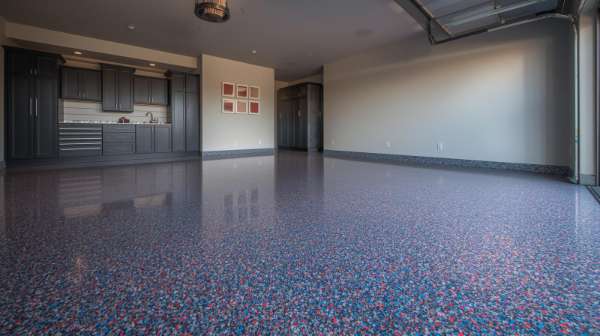
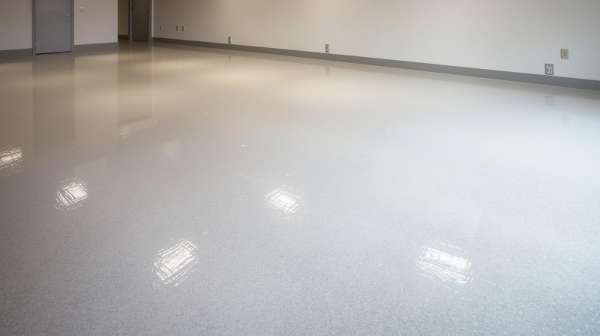
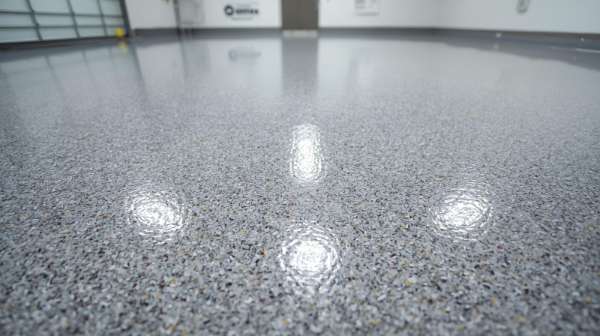
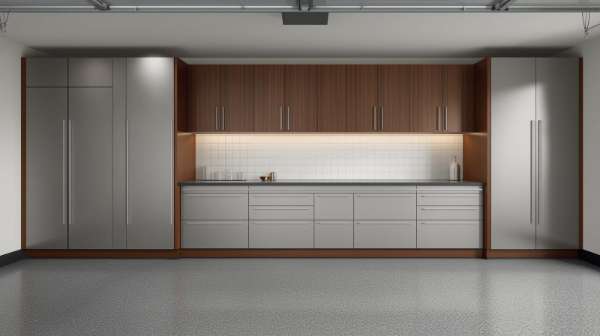
Ontario homeowners face demanding conditions for garage floors. Harsh winters bring repeated freeze-thaw cycles, heavy road salt application, and moisture from melting snow tracked indoors. Summers add UV exposure and temperature swings that stress coatings. Choosing between polyaspartic and epoxy directly affects how long the floor stays attractive and functional before costly repairs or replacement become necessary.
Many property owners in the Greater Toronto Area, Ottawa, and across Ontario ask which option delivers superior longevity. The answer depends on installation quality, the specific system used, and how well the coating handles local environmental stresses. Professional installers with experience in Ontario conditions understand these factors and can recommend the right solution for each garage.
GLI Epoxy Flooring has completed hundreds of garage floor projects across the GTA and knows that surface preparation quality often determines real-world performance more than the coating chemistry alone. Homeowners exploring options can also learn more from residential epoxy flooring installers Toronto.
Key Differences Between Polyaspartic and Epoxy
Both polyaspartic and epoxy are high-performance resinous coatings applied over properly prepared concrete. They create a seamless, chemical-resistant barrier that protects the slab and improves appearance. The main differences lie in chemistry, application properties, and how they respond to Ontario’s temperature extremes.
Epoxy is a two-part thermoset resin known for excellent adhesion to concrete and strong chemical resistance. It has been the standard for garage floors for decades because it bonds deeply and provides a thick, durable build.
Polyaspartic is a type of polyurea coating that cures much faster and remains more flexible at low temperatures. It offers superior UV stability and can be applied in a wider temperature range, making it popular for one-day installations in colder regions.
Key practical differences include cure speed, flexibility in freeze-thaw conditions, UV resistance, and the skill level required for successful application. These factors influence both initial results and long-term durability in Ontario garages.
Durability and Longevity in Ontario Winters
Ontario’s freeze-thaw cycles and road salt exposure create significant stress on garage floor coatings. Water enters small cracks or pores, freezes, expands, and can cause delamination or cracking over time. Road salts accelerate chemical breakdown and increase moisture-related issues.
High-quality polyaspartic coatings generally outperform traditional epoxy in these conditions because they stay flexible at low temperatures and resist the expansion and contraction of the concrete slab. Many professional systems claim 15 to 25 years of service life when properly installed, compared to 5 to 10 years for standard epoxy in similar cold-climate settings.
Epoxy can become brittle in prolonged cold and may crack or peel when the concrete moves. However, modern high-solids epoxies with proper topcoats still perform well when the substrate is stable and moisture is controlled. The critical factor remains professional mechanical preparation that removes contaminants and creates the correct surface profile. GLI Epoxy Flooring emphasizes this step on every Ontario project because even the best coating chemistry cannot overcome poor substrate conditions.
Many of these common failure modes in Ontario winters are detailed further in our guide on why epoxy garage floors peel in Toronto.
Cure Time and Installation Practicality for GTA Homeowners
One of the biggest practical differences is cure time. Traditional epoxy often requires 12 to 24 hours before light foot traffic and 3 to 7 days before vehicles can return. This extended downtime inconveniences many Ontario homeowners who need their garage for daily use.
Polyaspartic coatings can cure light foot traffic in as little as 2 to 6 hours and allow vehicle traffic within 24 hours in many cases. This enables true one-day installations, which appeals to busy families in the GTA who cannot afford long disruptions.
The faster cure also means polyaspartic is more sensitive to mixing and application timing. Professional crews with experience handling short pot-life materials achieve consistent results. DIY attempts with polyaspartic frequently fail due to improper mixing or timing, leading to soft spots or poor adhesion.
For Ontario projects completed during shoulder seasons or winter, polyaspartic’s ability to cure in cooler temperatures provides a clear advantage over standard epoxy, which often requires heated environments below certain thresholds. For a full look at what a professional GTA installation covers from start to finish, see the epoxy garage flooring in Toronto service page.
UV Resistance, Chemical Resistance, and Maintenance Needs
Ontario summers expose garage floors to direct sunlight through open doors, causing yellowing and chalking in UV-sensitive coatings. Epoxy tends to yellow and lose gloss over time unless formulated with UV inhibitors. Polyaspartic offers excellent inherent UV stability and maintains color and gloss far longer.
Both coatings resist common garage chemicals such as motor oil, gasoline, brake fluid, and de-icing salts when applied at proper thickness. Polyaspartic generally provides better hot-tire pickup resistance, reducing marking from vehicles parked while the coating is still curing or during warm weather.
Maintenance for both is similar: regular sweeping and occasional mopping with pH-neutral cleaners. Neither requires waxing or special treatments. The longer-lasting coating simply delays the need for re-coating or major repairs.
Cost Comparison and Long-Term Value Across Ontario
Upfront material and labor costs for polyaspartic systems are typically higher than basic epoxy. However, the extended service life and reduced maintenance often result in lower total cost of ownership over 10 to 15 years.
In Ontario, where harsh winters accelerate wear on lower-quality installations, investing in a properly specified and installed system pays dividends. Homeowners who choose cheaper epoxy kits or inexperienced applicators frequently face premature failure and the expense of removal plus re-installation within a few years.
Professional quotes should break down the system (primer, base coat, topcoat, flakes or metallic if desired) and include surface preparation. The lowest bid rarely delivers the best long-term value when Ontario climate factors are considered.
Head-to-Head Comparison Table
| Factor | Traditional Epoxy | Polyaspartic | Winner in Ontario Conditions |
|---|---|---|---|
| Freeze-Thaw Flexibility | Becomes brittle, higher crack risk | Remains flexible, better movement accommodation | Polyaspartic |
| UV Resistance & Yellowing | Prone to yellowing over time | Excellent inherent stability | Polyaspartic |
| Cure Time to Vehicle Use | 3–7 days typical | 24 hours or less in most conditions | Polyaspartic |
| Cold Weather Application | Limited below 10–15°C without heat | Wider temperature range, including cooler temps | Polyaspartic |
| Chemical & Abrasion Resistance | Excellent when thick enough | Excellent, often superior hot-tire resistance | Tie / Slight Polyaspartic |
| Upfront Cost | Lower | Higher | Epoxy |
| Expected Longevity (Pro Install) | 5–10+ years | 15–25+ years | Polyaspartic |
| Moisture Vapor Tolerance | Good with proper primer | Good with vapor barrier primers | Tie |
| DIY Feasibility | Moderate (still risky) | Low (short working time) | Epoxy (but not recommended) |
The Role of Professional Surface Preparation
No coating, whether epoxy or polyaspartic, will perform to its potential without correct surface preparation. Ontario garages often contain oil, grease, road salt residue, and previous sealers that act as bond breakers. Older slabs may also have elevated moisture vapor transmission.
Professional teams at GLI Epoxy Flooring use diamond grinding or shot blasting to achieve the required concrete surface profile, repair cracks and spalls, and verify moisture levels before application. This step is even more critical for polyaspartic because its fast cure leaves little room for error if the substrate is not perfect.
Homeowners researching options should review our guide to professional concrete floor preparation in Toronto to understand why this phase cannot be a shortcut. Failures attributed to the coating type are frequently traced back to inadequate preparation instead.
Hybrid Systems: Combining the Strengths of Both
Many professional installers in Ontario recommend hybrid systems that use an epoxy base coat for deep penetration and strong adhesion, followed by a polyaspartic topcoat for UV stability, flexibility, and fast return-to-service. This approach delivers excellent bond strength from the epoxy while gaining the durability and practicality advantages of polyaspartic on the wear surface.
Hybrid systems often provide the best balance of performance and value for GTA garages that see regular vehicle traffic and winter salt exposure. They allow customization of thickness, flake density, and finish while leveraging the proven strengths of both chemistries. Decorative options such as metallic epoxy flooring can be incorporated into a hybrid system to add visual depth alongside long-term durability.
Discussing hybrid options with an experienced local installer helps match the system to specific needs such as heavy vehicle storage, commercial use, or maximum longevity expectations.
Which Coating System Suits Ontario Garages Best?
For most Ontario homeowners prioritizing maximum longevity and minimal downtime, high-quality polyaspartic or a professional hybrid system generally lasts longer in local conditions than traditional epoxy. The flexibility through freeze-thaw cycles, superior UV resistance, and faster cure times provide measurable advantages in the GTA climate.
However, a well-specified and professionally installed epoxy system can still deliver many years of reliable service when moisture is controlled and the concrete is properly prepared. The decision ultimately depends on budget, timeline, expected traffic, and whether the installer offers strong warranties backed by local experience.
The Government of Canada road salts overview outlines why chloride exposure breaks down concrete surfaces and vehicles across Ontario, reinforcing the case for a coating system that resists salt penetration over the long term.
Conclusion
Polyaspartic coatings and hybrid systems typically offer longer service life than traditional epoxy in Ontario’s freeze-thaw and road-salt environment when installed by experienced professionals. The combination of flexibility, UV stability, and rapid cure delivers practical and durability advantages that matter for daily use.
GLI Epoxy Flooring helps GTA homeowners navigate these choices with honest assessments based on each garage’s condition and the owner’s priorities. Proper preparation and the right system specification protect the investment and reduce the likelihood of premature failure. For more on why coatings fail in Ontario conditions, see our related post on why epoxy garage floors peel in Toronto.
Considering a new garage floor coating for your Ontario home? Contact GLI Epoxy Flooring at 289-236-8371 or request a free on-site assessment through the contact page. Their team evaluates moisture, concrete condition, and usage demands to recommend the coating system that will deliver the longest-lasting results in local conditions.
Frequently Asked Questions
1. Does polyaspartic really last longer than epoxy in Ontario winters?
High-quality polyaspartic and hybrid systems generally outlast traditional epoxy in Ontario due to better flexibility during freeze-thaw cycles and superior resistance to road salts and UV exposure. Professional installations often achieve 15 to 25 years of service life, while standard epoxy in similar conditions commonly requires attention or replacement within 5 to 10 years. The actual lifespan depends heavily on surface preparation quality and moisture management. Ontario garages with heavy winter salt tracking benefit most from the added durability of polyaspartic or hybrid topcoats.
2. Can I apply polyaspartic over existing epoxy in my Ontario garage?
Yes, polyaspartic can be applied over existing epoxy provided the old coating is sound, well-adhered, and properly prepared. Professional teams mechanically abrade the surface to create a profile for the new coating to bond to. Any peeling, bubbling, or delaminated areas must be removed completely back to bare concrete and repaired before proceeding. Attempting to coat over failing epoxy usually leads to rapid failure of the new layer. A thorough assessment determines whether a refresh or complete removal and new system is the better long-term solution for Ontario conditions.
3. How much more does polyaspartic cost than epoxy for a typical Ontario garage?
Polyaspartic systems typically cost 20 to 50 percent more upfront than basic epoxy for the same square footage, depending on the specific products, thickness, and decorative options chosen. However, the longer expected lifespan and reduced downtime often make the total cost of ownership lower over a 10- to 15-year period in Ontario. Homeowners should request detailed quotes that separate preparation, materials, and labor so they can compare true value rather than just the initial number. Warranties and the installer’s local track record also affect long-term cost.
4. Is polyaspartic too difficult for most installers to apply correctly in Ontario?
Polyaspartic has a shorter working time than epoxy, requiring experienced crews who can mix and apply quickly and consistently, especially on larger floors. Many professional flooring companies in Ontario have successfully transitioned to polyaspartic and hybrid systems and achieve excellent results. The key is choosing an installer with documented experience in cold-climate applications and proper equipment for fast, controlled application. DIY polyaspartic projects frequently fail due to timing or mixing errors, which is why professional installation is strongly recommended for Ontario garages.
5. Will a polyaspartic garage floor handle hot tires and Ontario winter salt without damage?
Quality polyaspartic coatings offer excellent resistance to hot tire pickup and chemical attack from road salts when applied at the correct thickness with proper cure. The flexible nature of the material also helps it accommodate minor concrete movement without cracking. However, no coating is completely immune to abuse. Regular cleaning to remove salt residue and avoiding parking vehicles with extremely hot tires immediately after long highway drives will extend the life of any garage floor coating in Ontario.
6. Should I choose pure polyaspartic or a hybrid epoxy base with polyaspartic topcoat for my GTA garage?
For many Ontario garages, a hybrid system with an epoxy base coat and polyaspartic topcoat provides the optimal balance. The epoxy delivers excellent deep adhesion and build, while the polyaspartic topcoat adds UV stability, flexibility, and fast return-to-service. Pure polyaspartic systems work very well when maximum speed and cold-weather application are priorities. Discussing both options with a local professional who understands GTA concrete conditions and winter demands helps determine which approach best matches the specific garage and budget.