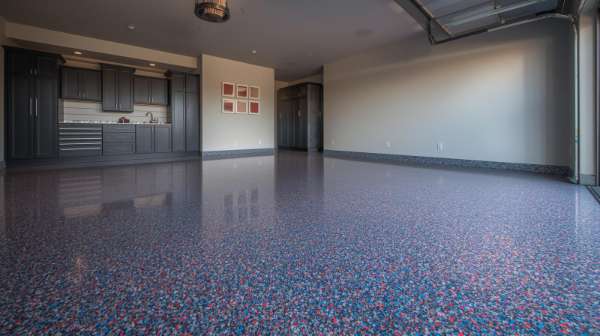
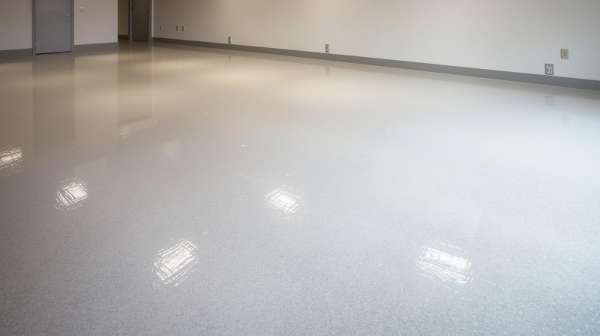
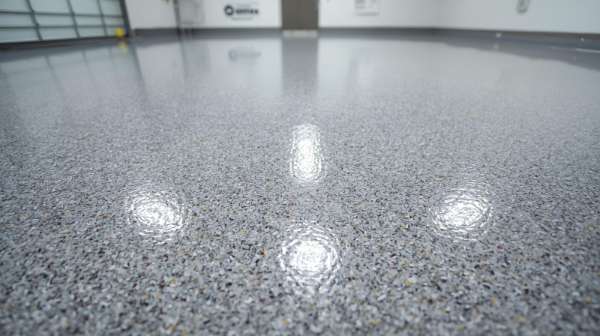
A warehouse floor faces different demands from a retail store or vehicle showroom. Choosing epoxy flooring for commercial buildings requires more than selecting a colour. GLI Epoxy Flooring considers traffic, slab condition, chemicals, safety, cleaning, and downtime. The right commercial epoxy flooring in Toronto should support daily operations while maintaining a professional appearance.
What Should Commercial Buildings Consider Before Choosing Epoxy Flooring?
Commercial flooring must match the work taking place above it. The building type alone does not provide enough information for an accurate recommendation.
Two warehouses can have very different flooring needs. One may store light cartons with limited pallet traffic. Another may operate loaded forklifts around machinery, loading bays, and chemical storage areas.
Retail stores also vary. A clothing shop faces different spills and cleaning routines from a grocery store. Automotive and furniture showrooms place greater importance on lighting, presentation, and display movement.
Type and Weight of Traffic
Traffic affects wear, impact, and coating thickness. Facility managers should document every load that will cross or rest on the floor.
Important factors include:
- Forklift weight and tyre type
- Pallet-jack routes
- Shopping-cart use
- Customer foot traffic
- Display vehicles
- Machinery and storage racks
- Stock deliveries
- Turning and braking areas
Repeated movement often creates wear around turns, aisle intersections, entrances, and loading points.
Point loads also matter. Racking legs, machinery, and display stands place pressure on small areas. The concrete must support these loads before any coating can perform properly.
Chemical and Moisture Exposure
A coating should match the substances used inside the building. General chemical-resistance claims do not cover every product or concentration.
Warehouses may encounter oil, grease, battery fluids, solvents, or industrial cleaners. Retail stores often face drinks, detergents, food spills, and winter contaminants.
Toronto buildings also deal with road salt, snow, slush, and grit. Loading bays and customer entrances may remain damp during winter. These areas may require greater texture and frequent cleaning.
Moisture can also move through a concrete slab. Testing helps determine whether vapour transmission may affect coating adhesion.
Cleaning and Appearance
Cleaning methods should influence system selection. A highly textured finish may improve traction but require more detailed scrubbing.
Facility managers should consider cleaning chemicals, scrubber equipment, spill procedures, and cleaning frequency.
Appearance also matters. Solid colours create a controlled finish. Decorative flakes disguise minor dirt and wear. Quartz adds texture, while metallic pigments create flowing visual patterns.
Performance and safety should guide the decision before colour or gloss.
What Epoxy Flooring System Works Best for Warehouses?
Warehouse floors must handle the actual traffic inside the facility. Forklift weight, turning frequency, chemicals, and slab condition all affect the specification.
A light-storage warehouse may need a different build from a distribution centre operating loaded forklifts throughout the day.
Forklift and Pallet-Jack Traffic
Loaded wheels create concentrated stress. Turning movements increase abrasion where tyres repeatedly follow the same routes.
A warehouse system may include:
- An epoxy primer
- A thicker build coat
- Broadcast aggregate
- A protective topcoat
- Safety lines and coloured zones
The selected layers depend on the product, slab, traffic, and chemical exposure.
Thin decorative coatings may not suit heavy loading. Extra coating thickness also cannot correct weak concrete or active structural movement.
Pallet jacks create another form of wear. Small, hard wheels may damage weak coatings and deteriorated concrete. Dock plates and steel equipment can also cause impact.
Loading Bays and Entrances
Loading areas face moisture, dirt, salt, temperature changes, and repeated vehicle movement.
These zones may need increased abrasion resistance, controlled texture, and clearly defined pedestrian routes. Drainage should also receive attention before installation.
Standing water creates a safety problem even when the coating contains traction aggregate.
Oils and Chemicals
The project team should list every substance that may contact the floor. Concentration, temperature, contact time, and cleanup speed all affect resistance.
A system that handles occasional motor oil may not resist a strong solvent or concentrated chemical.
Product data should match the expected exposure. Prompt spill removal also protects the coating and reduces slip risks.
Warehouse Safety Zones
Colour can organise a busy facility. Marked areas may identify:
- Pedestrian walkways
- Forklift lanes
- Loading boundaries
- Equipment zones
- Emergency paths
- Storage limits
- Inspection areas
Marking products must remain compatible with the base floor. Poor adhesion below the coating can cause both the floor and line markings to fail.
Is Epoxy Flooring a Practical Choice for Retail Stores?
Epoxy can suit retail environments when the system balances appearance, cleaning, customer traffic, and entrance safety.
A site assessment from GLI Epoxy Flooring considers traffic patterns, maintenance routines, winter conditions, and brand presentation before recommending a retail finish.
Customer Traffic and Shopping Carts
Daily foot traffic creates gradual abrasion. Shopping carts, product trolleys, displays, and stock deliveries add wheel loads and occasional impact.
Entrances and checkout areas often wear faster than quieter sections. These traffic patterns should be identified before selecting the texture and topcoat.
Retail floors must also accommodate changing displays. Moving shelving and stands can scratch an unsuitable finish.
Slip Resistance Near Entrances
Toronto winters create difficult entrance conditions. Boots and carts bring water, road salt, and grit into customer areas.
A practical entrance plan may combine:
- Walk-off mats
- Prompt cleaning
- Warning signs
- Suitable floor texture
- Regular inspections
Textured quartz epoxy flooring may suit commercial spaces requiring added traction and abrasion resistance. Quartz size and broadcast level should match cleaning and customer needs.
Appearance and Branding
Retail flooring becomes part of the customer experience. Colour can support displays, fixtures, signage, and brand identity.
Decorative flakes create visual variation and help disguise light dirt. Solid colours provide a simple background. Quartz creates a textured, speckled finish.
Dark, glossy colours may reveal dust and scratches. Very light colours may show tracked dirt and wheel marks.
Physical samples should be viewed under the store’s actual lighting before approval.
Cleaning During Business Hours
Retail stores often clean while customers remain nearby. The surface should support routine sweeping, mopping, and approved scrubbing.
Harsh chemicals and unsuitable pads can affect some topcoats. Cleaning residue may also reduce traction.
The selected system should balance soil removal with the required surface texture.
Which Epoxy Finish Works Best in Commercial Showrooms?
Showrooms need a strong visual finish, but appearance cannot stand alone. Lighting, traffic, display movement, and maintenance still affect system choice.
Lighting and Gloss
Bright overhead lighting reveals surface details. Dust, scratches, application marks, and uneven gloss become more noticeable in open rooms.
High-gloss finishes reflect light and create visual depth. They may also require more frequent cleaning.
A satin or lower-gloss topcoat may reduce glare in some spaces. Compatibility and design goals should guide this choice.
Vehicles and Display Movement
Automotive showrooms face tyre marks, display vehicles, turning movements, and occasional fluid contact.
Furniture and product showrooms regularly move heavy stands, shelving, and display equipment. Protective pads and careful movement procedures can reduce scratching.
Point loads also matter. A coating cannot protect a weak slab from excessive pressure or movement.
Metallic Epoxy
Metallic epoxy flooring for showrooms creates flowing patterns that change with light and viewing angle. This makes the floor a major design feature.
Each metallic installation develops natural variation. Decision-makers should not expect every area to appear identical.
Metallic surfaces may show dust, scratches, or repairs more clearly. A suitable protective topcoat and maintenance plan remain important.
Flake and Solid-Colour Finishes
Decorative flakes provide a busier pattern that can hide light dirt and normal wear. The installer can also adjust the final texture.
Solid-colour systems create a uniform background for products and vehicles. They work well when displays should remain the main visual focus.
Quartz may suit a showroom that needs greater texture. The correct choice depends on brand style, cleaning, lighting, and traffic.
How Do Commercial Flooring Systems Compare?
Commercial floors often combine several materials. A primer, build coat, aggregate, and topcoat may each perform a separate function.
Systems installed by GLI Epoxy Flooring can combine these layers according to the slab condition and operating demands.
Epoxy Build Coats
Epoxy build coats provide colour, thickness, and surface protection. They may also deliver chemicals and wear resistance when properly specified.
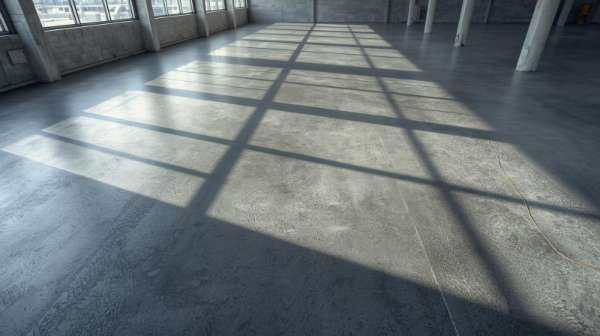
Epoxy needs a prepared concrete profile for reliable adhesion. Moisture, contamination, and weak concrete can still affect performance.
Polyaspartic Topcoats
Polyaspartic coatings may provide faster curing and improved UV stability. These benefits depend on the exact product and installation conditions.
Faster curing also reduces working time during application. Temperature and humidity can influence the process.
Return-to-service times should follow the selected product data. Foot traffic and forklift use usually require different cure periods.
Polyurethane Topcoats
Some polyurethane topcoats provide added resistance to abrasion, scratching, chemicals, or sunlight.
These finishes may suit customer-facing spaces where appearance matters. The installer must confirm compatibility with the underlying coats.
Decorative Flake Systems
Vinyl flakes create colour variation and visual texture. A full or partial broadcast changes the appearance and surface profile.
The clear topcoat controls final texture and cleanability. Greater texture may improve traction but require more detailed cleaning.
Quartz Broadcast Systems
Quartz systems broadcast coloured aggregate into resin. They create a dense, textured finish for busy commercial areas.
Aggregate size, broadcast rate, and topcoat coverage influence traction and maintenance. A heavily textured finish may not suit every retail store or showroom.
Metallic Systems
Metallic pigments create movement and depth. They work best where the floor contributes to the building’s presentation.
They are less practical for purely functional warehouse aisles. Repairs may also remain visible because the original pattern is unique.
| Flooring System | Common Commercial Use | Main Strength | Important Consideration |
|---|---|---|---|
| Solid-colour epoxy | Warehouses and work areas | Uniform, functional finish | Traffic and chemical exposure |
| Quartz broadcast | Entrances and busy zones | Texture and abrasion resistance | Cleaning method and aggregate level |
| Decorative flake | Retail and mixed-use spaces | Visual texture and practical upkeep | Flake coverage and traction |
| Metallic epoxy | Showrooms and display areas | Distinctive appearance | Scratch visibility and maintenance |
| Polyaspartic topcoat | Several commercial systems | Faster curing and UV stability | Product and temperature conditions |
| Polyurethane topcoat | Retail and showroom areas | Abrasion and scratch resistance | Compatibility with base layers |
The company’s commercial epoxy flooring systems include decorative and functional options for different commercial environments.
Every commercial slab has different traffic, moisture, and preparation requirements. Call 289-236-8371 or request a commercial flooring quote to arrange an on-site assessment.
Why Does Concrete Surface Preparation Matter?
Surface preparation creates the bond between the concrete and coating. A high-quality product cannot overcome weak, damp, or contaminated concrete.
Concrete Inspection
The initial inspection should identify:
- Dusty or weak concrete
- Existing coatings
- Oil and grease
- Cracks and damaged edges
- Moisture concerns
- Uneven areas
- Control and expansion joints
A visual inspection may not reveal every issue. Moisture testing and test areas can provide additional information.
Moisture Testing
Concrete can release moisture vapour from below. Excess vapour may contribute to blistering, lifting, or loss of adhesion.
Testing helps the installer select a suitable primer or mitigation system. A moisture-control coating cannot repair an active plumbing or foundation leak.
Water-entry and drainage problems should be corrected before coating installation.
Diamond Grinding
Diamond grinding removes weak surface material, old coatings, and certain contaminants. It also creates a suitable profile for adhesion.
Dust-control equipment helps manage the work area. Edges and corners still require careful preparation.
GLI’s epoxy flooring surface preparation services include grinding, crack treatment, levelling, and coating removal. The company also provides shot blasting and related preparation methods.
Shot Blasting
Shot blasting propels steel media against the slab. It can prepare large commercial areas efficiently and create a more aggressive profile.
The required profile must match the coating specification. Not every concrete floor needs the same preparation method.
Cracks and Joints
Cracks and joints require separate evaluation. A stable surface crack differs from an expansion joint or active structural movement.
Rigid filler across a moving joint may crack again. Expansion joints often need flexible treatment that allows planned movement.
A coating can improve appearance, but it cannot stop structural movement beneath the slab.
How Should Commercial Epoxy Installation Downtime Be Planned?
Downtime planning should begin before the final system is selected. The available closure period may influence product chemistry and installation stages.
Cure Time Versus Return to Service
A coating may feel dry before it can support normal operations.
The project schedule should list separate return times for:
- Light foot traffic
- Stock placement
- Shopping carts
- Display vehicles
- Forklifts
- Heavy machinery
Product chemistry, slab temperature, humidity, ventilation, and coating thickness all affect curing.
Phased Installation
Large facilities may divide work into separate zones. Phasing can allow another part of the property to remain operational.
This method requires planning for edges, transitions, dust control, and temporary traffic routes. Later work must not contaminate completed sections.
Weekend and Overnight Work
Off-hour installation may reduce disruption for retail stores and showrooms. Warehouses may use planned shutdowns or lower-volume periods.
The schedule must still provide enough time for preparation, coating, and curing. Compressing these steps can create avoidable problems.
Equipment and Inventory
Shelving, displays, stock, vehicles, and machinery must leave the work area.
Equipment should return only after the floor reaches the required service level. Dragging fixtures across a young coating may cause permanent damage.
How Can Safety Lines and Slip Resistance Be Added?
Commercial safety depends on the whole workplace. Floor texture plays one role alongside cleaning, lighting, footwear, and traffic control.
Pedestrian and Forklift Lanes
Contrasting colours can separate pedestrian paths from machinery routes. Clear boundaries support more consistent movement inside warehouses.
Lines should remain visible under normal lighting and expected soil conditions. Their placement should match the facility’s safety plan.
Loading and Equipment Zones
Marked boundaries help workers identify vehicle areas, storage limits, and equipment locations.
Colour use should remain consistent. Too many colours can weaken the meaning of each marking.
Slip-Resistant Aggregate
Aggregate can increase surface texture. Its size, shape, and broadcast rate affect traction and cleaning.
Greater texture does not make a floor slip-proof. Water, oil, loose dirt, and unsuitable footwear can still cause falls.
Cleaning and Housekeeping
Spills should be removed promptly. Staff should keep aisles clear and place warnings around wet areas.
CCOHS guidance on preventing slips and falls identifies wet or oily surfaces, spills, weather hazards, and inconsistent traction as common causes. It also highlights housekeeping and clear walking areas.
Flooring should support the workplace safety plan. It should not replace regular hazard control.
What Should Businesses Ask Before Approving a Flooring System?
A detailed proposal should explain the preparation, coating layers, texture, curing schedule, and maintenance requirements.
Questions About the Concrete
Commercial decision-makers should ask:
- Has the slab been tested for moisture?
- Are the cracks stable or moving?
- Does the concrete contain oil or chemicals?
- Must an existing coating be removed?
- Which preparation method will be used?
- How will joints and damaged edges be treated?
Questions About the System
The proposal should identify:
- Primer
- Build coat
- Aggregate or flakes
- Protective topcoat
- Approximate thickness
- Surface texture
- Chemical requirements
- UV exposure
Terms such as “industrial grade” do not replace a clear system description.
Questions About Operations
Facility managers should confirm:
- Installation phases
- Work-zone access
- Ventilation requirements
- Foot-traffic return
- Vehicle or forklift return
- Cleaning before reopening
- Equipment and stock movement
The schedule should reflect the slowest required return-to-service condition.
Questions About Appearance
Businesses should review physical samples when possible. Digital images cannot fully show gloss, texture, colour variation, or metallic movement.
Samples should be viewed under the building’s lighting. Decision-makers should also consider how the finish will show dust, scratches, and winter dirt.
Questions About Maintenance
The contractor should provide cleaning guidance for the selected system.
The maintenance plan should cover approved chemicals, equipment, pads, spill response, and regular inspection. Early attention to damaged areas can prevent wider deterioration.
Conclusion: Match the Flooring System to the Building
Warehouses usually prioritise loading, abrasion, chemicals, and traffic control. Retail stores balance cleaning, safety, and appearance. Showrooms combine visual impact with resistance to display movement, marks, and daily use. Every project still depends on concrete conditions and preparation.
GLI Epoxy Flooring helps commercial owners compare slab conditions, traffic, safety, appearance, and installation timing. Decision-makers can also review solid, metallic, and quartz epoxy systems before arranging an assessment.
GLI Epoxy Flooring can assess the concrete, workflow, safety needs, and installation schedule before recommending a commercial system. Call 289-236-8371 or arrange a commercial flooring consultation for a warehouse, retail store, or showroom project.
Frequently Asked Questions
1. What is the best epoxy flooring system for a busy warehouse?
Busy warehouses need a system matched to forklift weight, turning traffic, impact, chemicals, and slab condition. A thicker epoxy build, quartz broadcast, or protective topcoat may be suitable. Proper grinding, moisture testing, crack repair, and joint treatment matter as much as the coating itself.
2. Is epoxy flooring suitable for retail stores with heavy customer traffic?
Yes. Epoxy flooring can work well in retail stores when the finish balances appearance, cleaning, shopping-cart traffic, and slip resistance. Entrances exposed to snow, slush, and road salt may need added texture, walk-off mats, prompt cleaning, and a topcoat suited to daily wear in each store area.
3. Can metallic epoxy be used in an automotive or product showroom?
Yes, metallic epoxy can suit automotive and product showrooms where visual impact matters. Bright lighting, tyre marks, scratches, display movement, and cleaning routines must guide the topcoat and gloss level. Decorative flake or solid-colour systems may be more practical in all busy on-site areas.
4. How long must a commercial building remain closed after epoxy installation?
Closure time depends on the coating chemistry, number of layers, slab temperature, humidity, ventilation, and traffic type. Light foot traffic may return before carts, vehicles, forklifts, or machinery. The contractor should provide separate cure and return-to-service times for every use and demand.
5. Can epoxy flooring handle forklifts, pallet jacks, and heavy equipment?
Commercial epoxy can handle forklifts, pallet jacks, and heavy equipment when the slab and coating system are properly specified. Performance depends on concrete strength, grinding, system thickness, wheel type, turning patterns, point loads, impact, and chemical exposure. A site check is essential.
6. Does commercial epoxy flooring become slippery when wet?
Epoxy flooring can become slippery when damp, especially with smooth or high-gloss finishes. Slip-resistant aggregate can add texture, but no floor is completely slip-proof. Safe performance also depends on spill control, cleaning, drainage, entrance mats, lighting, footwear, and daily housekeeping.