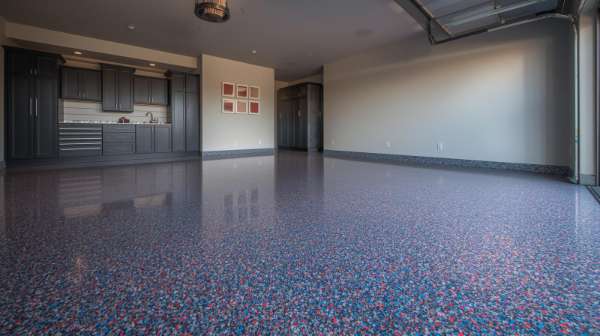
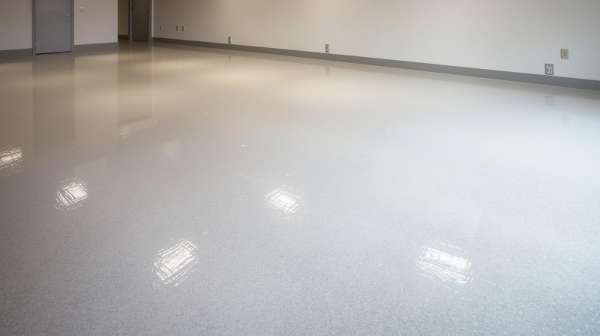
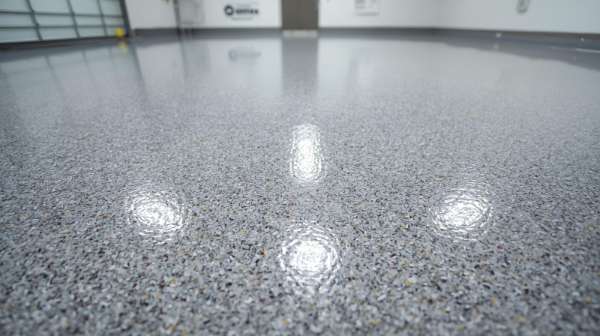
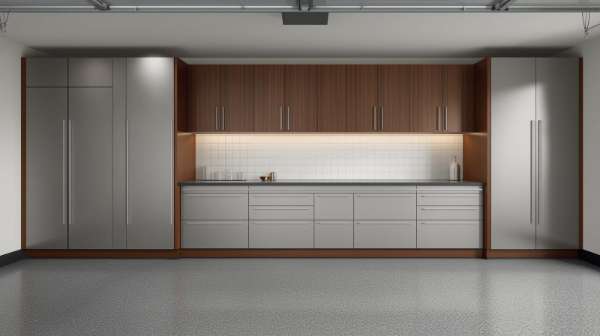
The question comes up on every commercial flooring job: epoxy or polyurethane? Property managers in Toronto and across the GTA treat them as competing products. In most cases, they work together.
Commercial epoxy flooring in Toronto is rarely a single-coat product. Epoxy provides the structural base. Polyurethane is most often the topcoat that protects it. GLI Epoxy Flooring sees this question on every commercial site assessment. The answer starts with what the space does, not what the product is.
Why the “Which Is Better” Question Misses the Real Issue
Most guides on this topic compare epoxy and polyurethane as standalone floors. They rate hardness, UV stability, and chemical resistance side by side. That frame is useful for product data sheets. It is less useful for a Toronto property owner choosing a system for a warehouse, a clinic, or a food plant floor.
The real choice is about system design. Epoxy and polyurethane serve different roles in a floor build. Epoxy bonds to concrete and carries the load. Polyurethane sits above it and handles surface wear, UV, and cleaning cycles. Knowing which coating does what helps owners ask the right questions and reject specs that skip one layer to cut cost.
How Epoxy and Polyurethane Differ as Commercial Coatings
Epoxy is a two-part system: resin plus hardener. When mixed and cured, it hardens into a rigid, dense surface. It bonds tightly to concrete and handles heavy loads, fork traffic, and chemical spills. Compressive strength is its best trait. UV exposure makes standalone epoxy yellow over time. Cold temperatures make it brittle.
Polyurethane is also a two-part system, but it cures to a softer, more elastic state. It flexes rather than cracks under thermal movement. It resists UV yellowing, cleans well, and holds gloss longer than epoxy. Its weakness is compressive strength. Applied to bare concrete without a primer or base coat, it can fail at the bond line.
The table below compares both for a commercial context:
| Property | Epoxy | Polyurethane |
|---|---|---|
| Bond to concrete | Strong | Moderate without primer |
| Compressive strength | High | Moderate |
| UV resistance | Poor | High |
| Flexibility | Low | High |
| Chemical resistance | High | Moderate to high |
| Gloss retention | Low to moderate | High |
| Cure time | 12 to 24 hours | 4 to 8 hours |
| Best role | Structural base coat | Protective topcoat |
How Toronto’s Climate Changes the Comparison
Toronto’s climate adds three factors most generic guides skip.
Freeze-thaw cycling is the first. Toronto averages 50 to 80 freeze-thaw cycles per year. A rigid epoxy film at low build can crack or lift when the slab shifts in cold weather. A polyurethane topcoat stays more flexible at low temperatures and absorbs slab movement without peeling.
Spring moisture is the second. As ground thaws from March to May, moisture vapour rises through basement and grade-level slabs. This affects the base coat more than the topcoat. An epoxy system installed without a moisture test in spring often peels by summer. The slab assessment must come before the coating choice.
Road salt is the third. Salt carried in from parking lots and loading docks sits on the floor surface all winter. Polyurethane topcoats resist salt penetration better than bare epoxy. In GTA auto shops, logistics centres, and cold storage entries, a urethane topcoat adds years to the floor life that epoxy alone cannot.
Which GTA Commercial Space Type Suits Each Coating
Different commercial spaces in the GTA call for different systems. This is where the generic comparison breaks down.
Commercial kitchens and food processing facilities need a covered, seamless, non-absorbent floor. Epoxy quartz flooring with a polyurethane topcoat meets both needs. The quartz base adds slip resistance. The urethane topcoat resists hot water, cleaning agents, and food acids. Floor surfaces in food premises must be non-absorbent, cleanable, and in good repair. The combined system meets that standard. GLI Epoxy Flooring uses this spec for food processing and commercial kitchen floors across the GTA.
Auto service centres and workshops need high chemical resistance for oils, degreasers, and brake fluid. A 100% solid epoxy base at 3 to 4 mm built with a urethane topcoat is the standard for GTA auto shops.
Warehouses and logistics centres carry fork traffic and pallet jacks. High-build epoxy with a polyaspartic or urethane topcoat resists the scuff and point loads of daily operation. Polyaspartic topcoats cure faster than urethane. That matters on floors with short downtime windows.
Medical and pharmaceutical facilities need a seamless, fully cleanable surface. Epoxy quartz with a urethane topcoat, applied with a coved base at the wall, is common across GTA clinics and labs.
Retail showrooms with natural light need UV-stable coatings. Standalone epoxy yellows under window light within one season. A solid or metallic epoxy base with a UV-stable polyurethane topcoat holds colour.
The right system for a Toronto commercial floor depends on the space, not just the product. Call 416-899-2141 or request a free site assessment to get a spec built for the space before any product is chosen.
Why Most Toronto Commercial Floors Combine Both Systems
The hybrid approach of epoxy base plus polyurethane topcoat is the standard for commercial floors across the GTA. Each layer contributes what the other cannot.
The epoxy base bonds to concrete and provides compressive strength. GLI Epoxy Flooring applies the base at full-solids content to ensure proper adhesion and load rating. Shot blasting or diamond grinding prepares the surface first. The base carries the weight.
The polyurethane topcoat protects the base. It takes the cleaning cycles, chemical splashes, UV exposure, and foot traffic. When it wears, it can be recoated without removing the base. This alone adds years to the floor’s service life at a fraction of the replacement cost.
Specifying just one layer to cut cost shortens the floor life by half. GTA commercial property owners who invest in the full system spend less over a 15-year period than those who replace a single-coat floor every five to seven years.
Cost and Lifespan: What GTA Property Owners Should Expect
Commercial flooring cost in the GTA varies by system type, floor size, and slab condition. Rough ranges in Canadian dollars:
| System | Cost per sq ft (CAD) | Expected Lifespan |
|---|---|---|
| Single-coat epoxy | $4 to $7 | 5 to 8 years |
| Epoxy base + urethane topcoat | $7 to $12 | 12 to 18 years |
| Epoxy quartz + urethane topcoat | $9 to $14 | 15 to 20 years |
These figures assume proper surface prep. A floor with moisture issues or active cracks needs repair work before coating. That adds cost upfront. Skipping it adds more cost later.
Commercial floor refinishing is the lower-cost path when the base coat is intact but the topcoat has worn. Refinishing rather than replacing saves 40 to 60 percent of the full install cost and extends the floor life by five to eight more years.
UV Exposure and Natural Light: What Most Installers Skip
Most Toronto commercial flooring quotes do not address UV exposure. It matters for any space with direct or indirect sunlight.
Standard epoxy systems yellow when exposed to UV. The yellow tone appears within months on floors near windows, skylights, and loading bay openings. The coating is not structurally damaged. It is discoloured. The effect is not reversible without a full topcoat application.
Polyurethane topcoats do not yellow under UV. They are the right choice for any GTA commercial space with natural light. The common causes of epoxy floor coating yellowing include UV exposure, heat, and wrong topcoat selection. Knowing them before the spec is written avoids the result.
Retail spaces on Queen Street, showrooms in Etobicoke, and offices with south-facing windows all benefit from a UV-stable urethane topcoat over the epoxy base.
What to Ask a Toronto Contractor Before Choosing a Coating
Most flooring quotes do not include a system breakdown. These questions help clarify what the spec contains:
- Does the system include a moisture vapour test before the coating is chosen?
- Is there an epoxy base coat, or is polyurethane applied direct to concrete?
- What is the total film build in mm?
- Is the topcoat urethane, polyaspartic, or epoxy?
- What is the rated lifespan for this system in a space like this one?
- Is the coating rated for food contact, chemical exposure, or the specific use type?
For food processing and commercial kitchen installs, the CFIA Guidance for Food Establishments Concerning Construction Materials requires floors to be non-absorbent, cleanable, and in good repair. A quartz epoxy base with a polyurethane topcoat is the spec that meets this standard across GTA food facilities.
A contractor who cannot answer these questions clearly is specifying a product, not a system. The difference shows up in three to five years.
Conclusion
Epoxy and polyurethane are not competing floors. They are two parts of the same system. The epoxy base adheres to concrete and carries the load. The polyurethane topcoat protects the surface through cleaning, UV, and traffic.
The right spec matches the base coat to the slab condition and load, and the topcoat to the use type and light exposure. GLI Epoxy Flooring assesses each of these factors before specifying any product. The article on how to choose the right epoxy flooring system for your property covers the full range of system types used across GTA commercial and residential installs and what drives each choice.
GLI Epoxy Flooring provides system-matched epoxy and polyurethane floor coating for commercial and industrial sites across Toronto and the GTA. Call 416-899-2141 or book a free site assessment online to get a system spec that fits the space before any product is chosen.
Frequently Asked Questions
1. Is polyurethane flooring better than epoxy for a commercial kitchen in Toronto?
For commercial kitchens, neither alone is the right answer. A quartz epoxy base provides the slip resistance and chemical base the space needs. A polyurethane topcoat adds acid resistance and easy cleaning. Under CFIA guidance, floors must be non-absorbent and cleanable. The combined system meets that standard.
2. How long does a polyurethane topcoat last over epoxy on a GTA commercial floor?
A urethane topcoat over an epoxy base lasts 5 to 8 years on a busy GTA commercial floor before it needs recoating. The base coat below often lasts 15 to 20 years. Recoating the topcoat alone extends the floor life without full replacement and costs 40 to 60 percent less than a new install on a well-maintained floor.
3. Does epoxy flooring yellow over time in Toronto retail spaces?
Yes. Epoxy yellows when exposed to UV from windows, skylights, or south-facing openings. The discolouration is not a coating failure. It is a UV reaction. It appears within months on sun-exposed floors. A UV-stable polyurethane topcoat over the epoxy base prevents yellowing and holds the floor’s colour long term.
4. What is the difference between epoxy and polyurethane for a warehouse floor in Toronto?
For GTA warehouses, epoxy is the structural base coat. It bonds to concrete, carries fork traffic loads, and resists chemicals. Polyurethane or polyaspartic is the protective topcoat. It takes the surface wear from daily traffic and cleaning. Together, they form the system most GTA warehouse installs use.
5. How does Toronto’s freeze-thaw climate affect epoxy and polyurethane floor coatings?
Toronto averages 50 to 80 freeze-thaw cycles annually. Rigid epoxy at low build can crack or lift when the slab shifts in cold weather. Polyurethane stays more flexible at low temperatures. For GTA commercial floors near loading docks or exterior walls, a urethane topcoat reduces the risk of coating failure in winter.
6. Can polyurethane be applied over existing epoxy flooring in a Toronto commercial space?
Yes, in most cases. If the existing epoxy base coat is intact and well-bonded to the slab, a polyurethane topcoat can be applied after light sanding or grinding. This is the standard refinishing approach for GTA commercial floors. It adds UV protection and surface wear resistance without a full remove and replace.