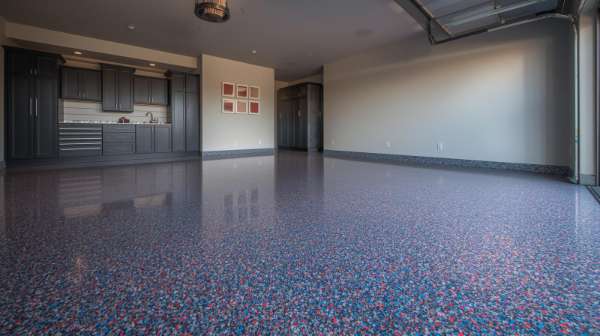
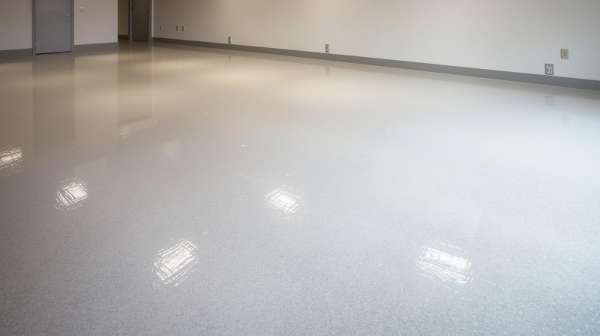
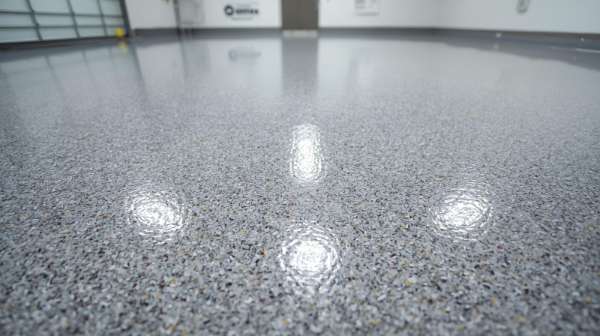
Living in Concord means experiencing the full spectrum of Canadian weather, from bitterly cold January mornings to sweltering July afternoons. These dramatic seasonal shifts don’t just affect your comfort; they have a real impact on building materials throughout your property. Epoxy Floor Coating in Concord, ON must contend with temperature swings that can exceed 60 degrees Celsius between winter lows and summer highs. GLI Epoxy Flooring has spent years observing how Ontario’s climate patterns interact with epoxy systems, and understanding these relationships helps homeowners make informed decisions about installation timing and long-term care.
Your garage or basement floor experiences weather effects differently than outdoor surfaces, but they’re not immune to seasonal changes. Temperature variations seep through walls and foundations, humidity levels fluctuate with the seasons, and moisture from snow, ice, and rain finds ways to test your flooring’s resilience. GLI Epoxy Flooring emphasizes that while quality epoxy systems are engineered to handle these challenges, knowing what to expect throughout the year helps you maintain optimal performance and catch potential issues before they become serious problems.
Understanding Concord’s Climate Patterns
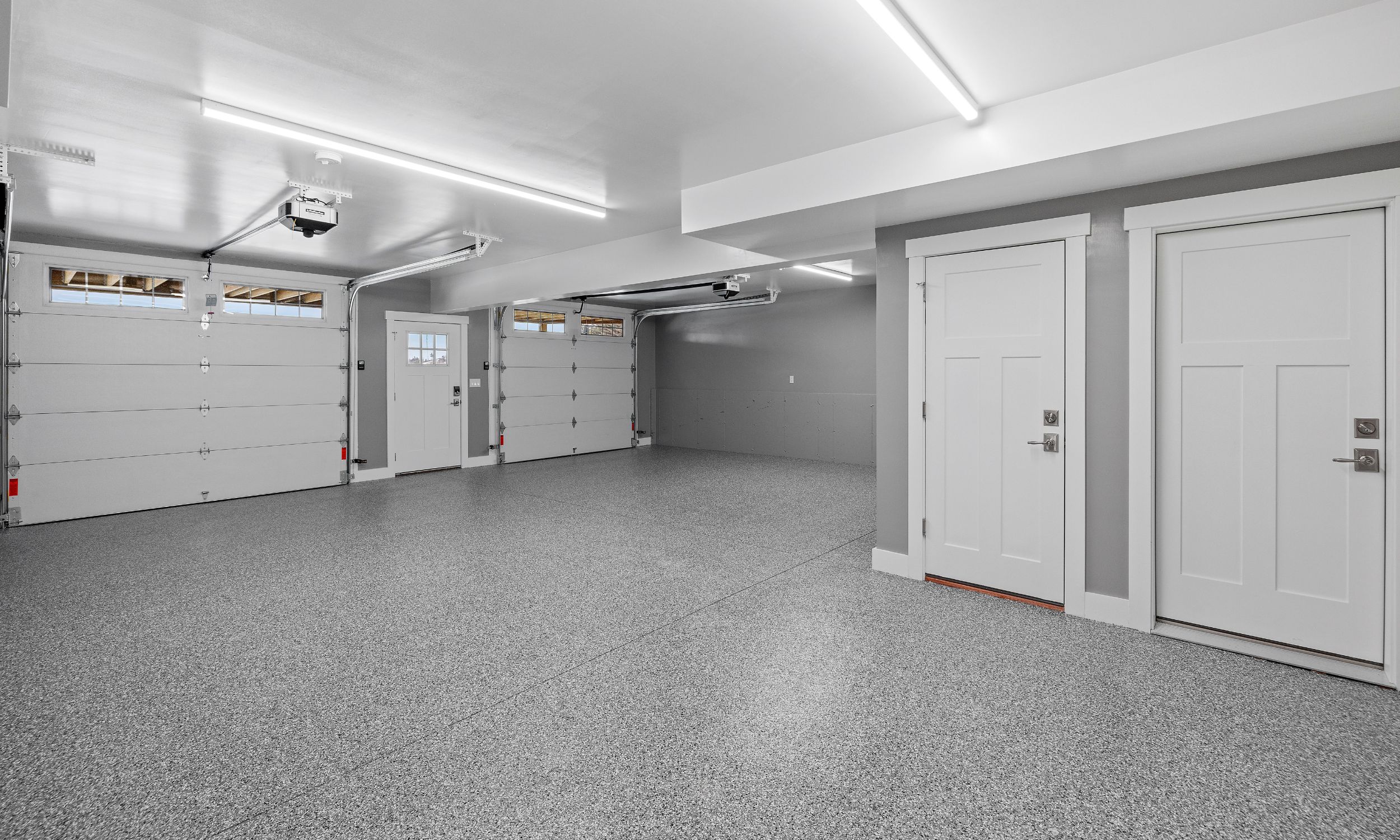
Concord sits firmly within the humid continental climate zone, which translates to distinct seasons with significant temperature variations. Winters regularly see temperatures dropping below minus 10 degrees Celsius, while summers frequently climb above 25 degrees. This 35-plus degree range creates expansion and contraction cycles that every building material must accommodate.
The seasonal transitions bring their own challenges. Spring arrives with rapid temperature increases and substantial moisture from melting snow. Fall brings cooling temperatures and increased precipitation as winter approaches. These shoulder seasons often create the most unpredictable conditions, with daily temperature swings that can stress flooring systems more than the stable cold of deep winter or heat of midsummer.
Winter Challenges and Cold Stress
Winter poses unique challenges for any flooring system in Concord. When you park your vehicle in the garage after driving on salted roads, you’re introducing a corrosive mixture of water, salt, and road chemicals that sits on your floor. This combination is particularly aggressive toward unprotected concrete but also tests the chemical resistance of epoxy coatings.
Cold temperatures cause materials to contract. Concrete shrinks slightly in winter, and the epoxy coating must move with it without cracking or losing adhesion. Quality epoxy systems maintain flexibility even in cold conditions, but this requires proper formulation and correct installation. The freeze-thaw cycle presents another concern. Any moisture that penetrates beneath the epoxy can freeze, expand, and potentially cause delamination if the coating system isn’t properly bonded.
Summer Heat and Expansion
Summer brings the opposite challenge. As temperatures rise, both concrete and epoxy expand. This expansion generally isn’t problematic for properly installed systems because epoxy has some natural flexibility. However, extreme heat can soften epoxy slightly, making it more susceptible to surface damage from heavy impacts or dragging sharp objects.
Direct sunlight through garage windows can create localized hot spots where temperatures exceed ambient conditions significantly. These areas experience more stress than shaded sections, potentially leading to discoloration or surface degradation over time if the epoxy wasn’t formulated with UV stabilizers. Epoxy Floor Installation Concord, ON professionals account for sun exposure patterns when selecting appropriate coating systems for each unique space.
Moisture and Humidity Variations
Moisture management represents one of the most critical factors in epoxy floor performance across all seasons. Concord’s humidity levels shift dramatically throughout the year, from dry winter air to humid summer conditions. These variations affect how moisture moves through concrete and interacts with epoxy coatings.
GLI Epoxy Flooring regularly educates clients about moisture vapor transmission, which occurs when water moves up through concrete from the ground below. This natural process continues year-round but intensifies during wet seasons or when temperature differentials between the ground and surface are greatest.
Spring Thaw and Water Infiltration
Spring presents perhaps the most challenging moisture conditions. As snow melts and spring rains arrive, the ground becomes saturated. This groundwater creates hydrostatic pressure beneath concrete slabs, pushing moisture upward. If the epoxy coating isn’t properly designed to handle vapor transmission, this pressure can cause bubbling, blistering, or complete delamination.
The dramatic temperature shifts of spring also create condensation issues. When cold concrete meets warm, humid air, moisture condenses on the surface. This visible dampness isn’t necessarily a problem for cured epoxy, but it indicates high moisture levels that could affect uncured coatings or signal underlying issues with water infiltration. Professional Epoxy Floor Repair Services often see spring-related damage resulting from inadequate moisture mitigation during initial installation.
Fall Preparation Considerations
Fall represents an ideal time to inspect your epoxy floors and address any minor issues before winter intensifies them. Small chips, cracks, or areas showing slight delamination will worsen through winter freeze-thaw cycles if left unattended. Think of fall maintenance as preventive medicine for your floors.
This season also brings falling leaves, increased rain, and temperature drops that create perfect conditions for mold and mildew growth in damp areas. Epoxy’s non-porous surface naturally resists these biological threats, but proper drainage and ventilation remain important. Ensuring water flows away from your garage or basement entrance prevents pooling that could find its way beneath edges or through cracks in the slab itself.
Temperature Fluctuations and Epoxy Integrity
Rapid temperature changes stress the bond between epoxy and concrete more than stable conditions at either temperature extreme. When the surface temperature shifts 15 or 20 degrees in a matter of hours, materials expand or contract at different rates. Concrete changes dimension slowly due to its mass and thermal properties, while epoxy responds more quickly to temperature shifts.
This differential movement creates shear stress at the bond line between materials. Properly prepared surfaces with good mechanical and chemical bonds handle this stress without issue, but marginal installations may show problems after repeated thermal cycling. The interface between coating and concrete represents the critical zone where seasonal stresses manifest as performance issues.
GLI Epoxy Flooring uses preparation techniques and primer systems specifically designed to create bonds strong enough to withstand years of thermal cycling. The goal isn’t just initial adhesion but maintaining that bond through hundreds of freeze-thaw cycles and seasonal transitions over the floor’s lifetime.
Proper Installation Timing for Climate Resilience
Understanding Concord’s seasons helps identify optimal installation windows. While professional installers can work year-round with proper environmental controls, certain times of year naturally provide better conditions for long-term success.
Late spring through early fall offers the most forgiving installation conditions. Temperatures remain moderate, humidity stays within acceptable ranges, and the concrete itself maintains stable temperature. These factors combine to create ideal conditions for the chemical reactions that cure epoxy properly.
Curing Conditions and Weather
Epoxy curing is a chemical process that depends heavily on temperature. Most professional-grade systems cure optimally between 15 and 25 degrees Celsius. Outside this range, curing either slows dramatically or accelerates too quickly, both of which can compromise final performance.
Searching for Epoxy Floor Coating Near Me Concord, ON during peak summer or deep winter requires finding installers who can control the environment adequately. Garage installations in winter might require temporary heating to bring the space into the acceptable temperature range and maintain it throughout application and curing. This adds complexity and cost but ensures proper results.
Humidity also affects curing. Extremely high humidity can interfere with certain epoxy formulations, causing surface defects like blushing or extending cure times unpredictably. Very low humidity isn’t typically problematic for epoxy but can cause issues with concrete moisture levels, making it difficult to achieve proper bonding.
Maintenance Adjustments Through the Seasons
Your epoxy floor care routine should adapt to seasonal conditions. Winter demands more frequent cleaning to remove road salt and prevent chemical buildup. A simple mixture of warm water and mild detergent handles most winter grime, with more frequent cleaning cycles preventing salt from sitting on the surface long enough to potentially affect the epoxy.
Summer maintenance focuses on preventing heat-related issues. Keeping your garage or basement reasonably cool extends epoxy lifespan and maintains optimal hardness. Simple measures like closing garage doors during the hottest part of the day or using fans to circulate air make meaningful differences in surface temperature.
Flake Floor Installation systems benefit from the same seasonal maintenance considerations, with the added advantage that the textured surface hides minor wear patterns better than solid-color systems. The embedded flakes also provide additional thickness and impact resistance that helps the floor withstand seasonal stresses.
Long-Term Performance in Ontario Climate
Quality epoxy systems properly installed and maintained perform exceptionally well through decades of Ontario weather. The key lies in understanding that performance isn’t just about the epoxy itself but about the entire system: concrete preparation, primer selection, coating formulation, and application technique all contribute to how well the floor handles seasonal challenges.
GLI Epoxy Flooring has observed that properly installed floors show minimal degradation even after 15 or 20 years of exposure to Concord’s climate extremes. The floors that do develop issues typically trace back to installation deficiencies: inadequate surface preparation, application during poor weather conditions, or moisture problems in the concrete that weren’t addressed before coating.
The difference between a floor that lasts two decades and one that fails within five years often comes down to these installation fundamentals rather than the epoxy product itself. This is why professional installation represents such a valuable investment. You’re not just paying for material application but for expertise in managing all the variables that determine long-term success in your specific climate.
Conclusion
Concord’s seasonal extremes create real challenges for epoxy flooring systems, but understanding these challenges allows proper planning and maintenance that ensures decades of reliable performance. From winter’s freeze-thaw cycles to summer’s heat and humidity, each season brings distinct conditions that affect how your floor performs. The combination of proper installation timing, quality materials formulated for climate resilience, and seasonal maintenance adjustments creates epoxy floors that not only survive but thrive through years of temperature swings, moisture exposure, and daily use. When you approach epoxy flooring with awareness of seasonal impacts, you make decisions that pay dividends in longevity and performance.
FAQs
Can epoxy floors crack during extreme cold weather?
Quality epoxy maintains flexibility even in cold temperatures, so cracking typically indicates underlying concrete issues rather than epoxy failure. If the concrete cracks due to freeze-thaw damage or structural movement, the epoxy will show these cracks as well. Proper installation with flexible topcoats helps accommodate normal thermal movement without cracking.
How does road salt affect epoxy flooring during winter?
Modern epoxy systems resist road salt and deicing chemicals effectively when properly formulated. The key is regular cleaning to prevent salt buildup. Rinsing your garage floor periodically during winter removes salt before it can sit on the surface for extended periods, which protects both the epoxy and underlying concrete from potential damage.
Will summer heat cause my epoxy floor to become soft or sticky?
Professional-grade epoxy floors remain stable in normal summer temperatures. While epoxy does soften slightly in extreme heat, it shouldn’t become noticeably sticky or soft unless temperatures exceed design specifications. Proper product selection for Ontario’s climate ensures your floor maintains appropriate hardness even during the hottest summer days.
Is there a best season to install epoxy flooring in Concord?
Late spring through early fall provides optimal conditions for epoxy installation, with stable temperatures and moderate humidity. However, professional installers can work year-round by controlling environmental conditions. The crucial factor is maintaining proper temperature and humidity during application and curing rather than the calendar date itself.
How often should I inspect my epoxy floor for seasonal damage?
Inspect your epoxy floor at least twice yearly, ideally in spring after winter stress and in fall before winter arrives. Look for chips, cracks, areas of delamination, or changes in appearance. Early detection of minor issues allows simple repairs before seasonal stresses worsen the damage into problems requiring extensive restoration work.